In this article
- Key takeaways
- Do you need a dietitian for GLP-1 medicines?
- What does a dietitian add when appetite is low?
- How much protein do you need on a GLP-1 medicine?
- What does a day of eating look like, vegetarian and non-vegetarian?
- Which vitamins, minerals and fluids need attention?
- Which foods help with nausea, constipation and acidity?
- What are the signs you need a dietitian?
- What does a first session cover, and what should you bring?
- How can you self-manage safely if you cannot see a dietitian?
- Common myths about diet on GLP-1 medicines
- Questions to ask your healthcare provider
- How The Prime Fit helps
- GLP-1 support packages
- Frequently asked questions
You do not strictly need a dietitian for GLP-1 treatment, but most people on Mounjaro, Wegovy or Ozempic do better with one, and some should not go without. These medicines cut appetite so effectively that it becomes easy to eat too little protein, fluid, fibre and micronutrients. A dietitian turns “eat less” into a plan: a protein target, a meal structure you can manage on a small appetite, and food fixes for nausea and constipation.
This guide explains what a dietitian actually does during treatment, the signs that you need one soon, what a first session covers, and how to look after yourself if you cannot see one. If you want structured help of this kind, our GLP-1 Support Program is built around it. This is general information; decisions about your medicine and dose belong with your prescriber.
Key takeaways
- Low appetite is the goal of treatment, and also its main nutritional risk. Less food means less protein unless you plan for it.
- Many guidelines suggest about 1.0 to 1.5 g of protein per kg of body weight a day during weight loss for adults with healthy kidneys.
- A dietitian sets targets, builds meals around Indian food you already eat, and adjusts for diabetes, kidney disease, PCOS or thyroid conditions.
- See one promptly if you are eating one meal a day, losing weight very fast, losing hair, feeling weak or constipated for weeks.
- If you cannot see one, protein first, three small meals, 2 to 2.5 litres of fluid and 25 to 30 g of fibre a day are a safe base.
Do you need a dietitian for GLP-1 medicines?
A dietitian for GLP-1 treatment is strongly advisable for most people and close to essential for some. The medicine decides how hungry you feel. It does not decide whether the little you eat contains enough protein to protect muscle, enough fibre to keep the bowel moving or enough iron and vitamin B12 to prevent tiredness and hair fall.
How much one helps depends on your situation.
| Your situation | How much a dietitian helps |
|---|---|
| Mixed diet, eating three meals, steady loss, few side effects | Helpful; one or two sessions may be enough |
| Vegetarian or vegan, or a low-protein diet | Very helpful; protein planning needs care |
| Eating one or two small meals a day | Strongly advised |
| Type 2 diabetes, especially on insulin or a sulfonylurea | Strongly advised; meals and medicines must match |
| Kidney disease, liver disease or gout | Essential; protein needs are specific |
| History of an eating disorder | Essential, with your care team involved |
What does a dietitian add when appetite is low?
When appetite is low, a dietitian makes every small meal count. Many people feel full after a few bites or forget meals. Left alone, intake often drifts towards tea, biscuits, fruit and a little rice or roti: enough to get through the day, but short on protein.
- A protein target calculated for your weight, age, kidney function and activity.
- A meal structure: usually three small meals and one or two snacks at set times, so that eating does not depend on hunger.
- Meal order: protein first, then vegetables, then roti or rice, so the most important food is eaten before fullness arrives.
- Micronutrient checks: a review of iron, vitamin B12, vitamin D and calcium sources, and whether blood tests or supplements should be discussed with your prescriber.
- Fluid and fibre targets to prevent dehydration and constipation.
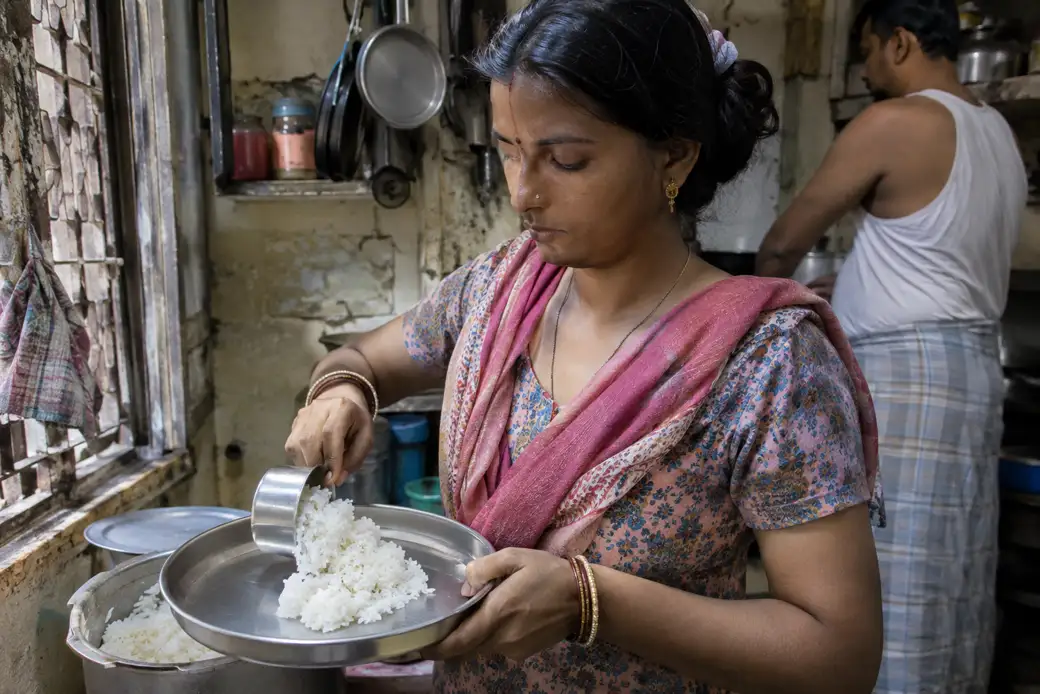
- Adjustments for real life: office tiffins, fasting days, weddings, travel and family cooking.
This kind of individual planning is what a clinical nutrition consultation provides.
How much protein do you need on a GLP-1 medicine?
Most adults losing weight on a GLP-1 medicine are advised to eat roughly 1.0 to 1.5 g of protein per kg of body weight a day, provided their kidneys are healthy. In people with a high BMI the target is sometimes based on a goal weight. The exact figure is individual.
Illustrative example
A person weighing 70 kg is set a target of 1.2 g per kg: 70 x 1.2 = 84 g of protein a day. Spread over three meals and one snack, that is about 21 g each time. This shows the arithmetic only; your own target may be higher or lower.
The figures below are approximate and vary with brand and recipe.
| Food | Portion | Protein (approx.) |
|---|---|---|
| Paneer | 100 g | 18 g |
| Soya chunks | 30 g dry | 15 g |
| Besan chilla | 2 medium (60 g besan) | 13 g |
| Cooked dal | 1 katori (150 ml) | 8 g |
| Curd | 200 g | 7 g |
| Milk | 250 ml | 8 g |
| Roasted chana | 30 g | 6 g |
| Egg | 1 whole | 6 g |
| Chicken breast, cooked | 100 g | 27 g |
| Fish, cooked | 100 g | 20 g |
| Roti | 1 medium | 3 g |
If food alone cannot reach the target, a dietitian may suggest a protein supplement. Our guide to protein powder safety in India explains how to read labels.
What does a day of eating look like, vegetarian and non-vegetarian?
A workable day has three small meals and one or two snacks, each with a clear protein source. The two plans below are illustrative examples built for the 84 g target above. Portions of roti, rice and oil would be set by your dietitian.
| Meal | Vegetarian (illustrative example) | Non-vegetarian (illustrative example) |
|---|---|---|
| Breakfast | 2 besan chillas with 100 g curd: about 17 g | 2-egg omelette with 1 slice of toast: about 15 g |
| Mid-morning | 250 ml milk: about 8 g | 200 g curd: about 7 g |
| Lunch | 1 katori dal, 100 g paneer bhurji, 1 roti, salad: about 29 g | 100 g chicken curry, 1 katori dal, 1 roti, salad: about 38 g |
| Evening | 30 g roasted chana: about 6 g | Chaas with 20 g peanuts: about 7 g |
| Dinner | Soya chunk curry (30 g dry), 150 g curd, 1 roti, sabzi: about 23 g | 100 g fish curry, sabzi, small portion of rice: about 22 g |
| Day total | About 83 g | About 89 g |
For a full week of ideas, see the vegetarian high-protein meal plan for GLP-1 users.
Which vitamins, minerals and fluids need attention?
Iron, vitamin B12, vitamin D and calcium need the most attention, along with fluid. Eating less means taking in less of these, and several are already commonly low in Indian adults, particularly vegetarians. Long-term metformin use is also linked with lower vitamin B12 levels.
- Iron: green leafy vegetables, dals, chana, rajma, eggs and meat; add lemon or amla for vitamin C, and keep tea and coffee away from meals.
- Vitamin B12: milk, curd, paneer, eggs, fish and meat; strict vegetarians often need a supplement after testing.
- Calcium and vitamin D: milk, curd, paneer, ragi and sesame, plus sensible sunlight; vitamin D usually needs a blood test to judge.
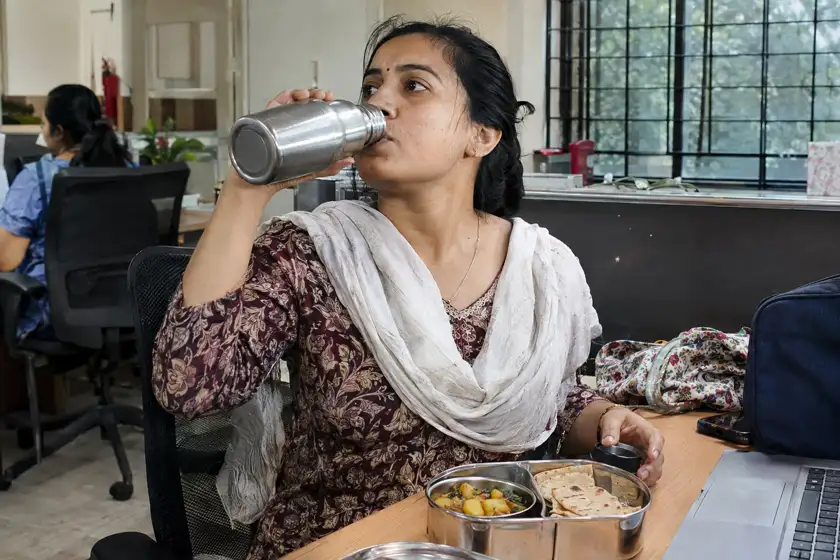
- Fluids: about 2 to 2.5 litres a day from water, chaas, thin dal, soups and nimbu pani without much sugar, unless you have been told to restrict fluids.
Do not start high-dose supplements on a guess. Persistent hair fall often has a nutritional component; our article on hair loss on GLP-1 medicines explains why.
Which foods help with nausea, constipation and acidity?
Small, low-fat meals help nausea; fluid, fibre and movement help constipation; and early, lighter dinners help acidity. Food changes are the first step for mild symptoms.
| Symptom | What usually helps | What usually makes it worse |
|---|---|---|
| Nausea | Small portions, eating slowly, stopping at the first sign of fullness; khichdi, curd rice, toast, idli, plain dal; sips of fluid between meals | Fried and creamy food, very sweet food, large meals, lying down after eating |
| Constipation | 2 to 2.5 litres of fluid; fibre raised gradually towards 25 to 30 g a day from vegetables, papaya, guava, dals and whole grains; a daily walk; isabgol with plenty of water if advised | Low fluid, skipping meals, adding a lot of fibre suddenly without water |
| Acidity and burping | Smaller dinner, eaten 2 to 3 hours before bed; less oil and chilli | Late heavy dinners, fizzy drinks, excess tea and coffee |
More detail is in our guides to constipation on GLP-1 medicines and fibre and its best Indian sources.
When food fixes are not enough
Contact your prescriber or seek urgent care for severe or persistent abdominal pain, especially if it spreads to the back; vomiting that will not stop or an inability to keep fluids down; very little urine, dizziness or fainting; no bowel movement for several days with pain, bloating or vomiting; yellowing of the eyes or skin; or, if you take insulin or a sulfonylurea, repeated low blood sugar. These are not problems for a diet change.
What are the signs you need a dietitian?
The clearest signs that you need a dietitian are eating very little, losing weight very fast, and symptoms of under-nutrition. Book a session if any of these apply.
- You regularly eat only one or two small meals a day, or forget to eat.
- You are losing more than about 1% of your body weight a week for several weeks. For an 80 kg person that is more than 0.8 kg a week.
- You feel weak, dizzy or unusually tired, or everyday tasks such as climbing stairs feel harder.
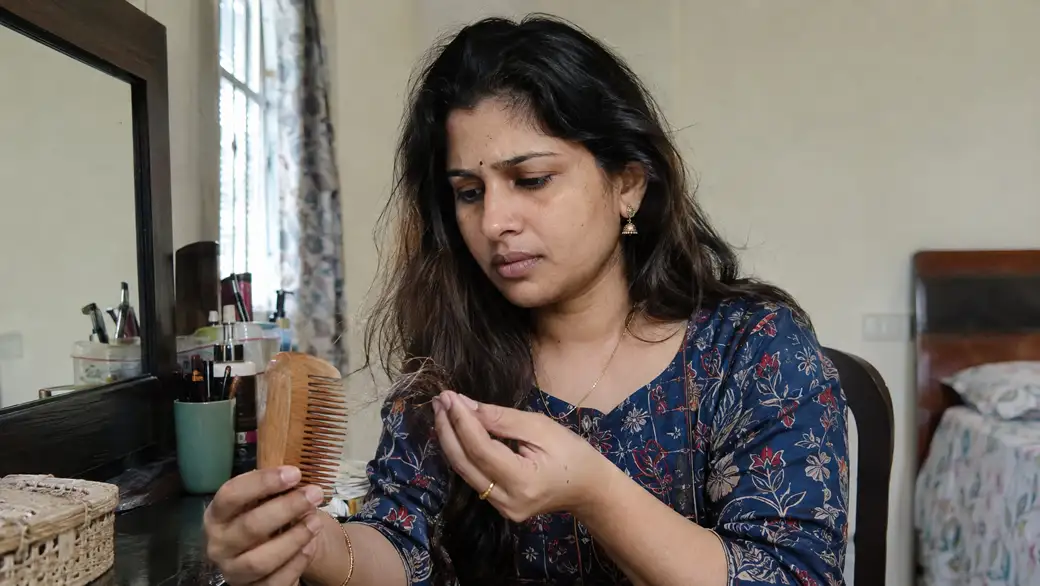
- You notice increased hair fall or brittle nails.
- Constipation or nausea has lasted more than two to three weeks despite simple measures.
- You are vegetarian or vegan and unsure how to reach your protein target.
- You have diabetes, kidney disease, fatty liver, PCOS or a thyroid condition.

What does a first session cover, and what should you bring?
A first session covers your health, your current eating and a starting plan. Expect questions about your medical history, medicines and dose, a typical day of food and drink, routine, activity, bowel habit and side effects. You should leave with a protein target, a meal structure, fluid and fibre goals, and a short list of changes for the next few weeks, not a rigid diet sheet.
What to bring:
- Your prescription, showing the medicine and current dose, and a list of all other medicines and supplements.
- Recent blood test reports, if you have them.
- A three-day food record, including one weekend day, with rough portions and timings. Phone photos of meals work well.
- Your weight records and, if possible, a waist measurement.
- Notes on side effects: what, when and after which foods.
How can you self-manage safely if you cannot see a dietitian?
If you cannot see a dietitian, you can still cover the essentials with a few fixed rules. They suit adults without kidney disease or another condition needing a special diet.
- Eat by the clock: three small meals and one snack, even when you are not hungry.
- Protein at every meal, eaten first: aim for about 20 g each time from dal with curd, paneer, soya, eggs, chicken or fish.
- Count protein for three days using the table above. If you are well under 1 g per kg of body weight, add one protein food to each meal.
- Drink 2 to 2.5 litres of fluid a day, in sips between meals.
- Do not combine the medicine with a crash diet or long fasts without advice.
- Do strength exercise twice a week. Protein protects muscle best alongside resistance work.
- Weigh yourself weekly and note energy, hair fall and bowel habit. Ask for help if any warning sign in the list above appears.
Common myths about diet on GLP-1 medicines
Myth: if you are not hungry, you do not need to eat. Fact: appetite is switched down by the medicine, but your need for protein, vitamins and minerals is unchanged.
Myth: the less you eat, the better the result. Fact: very low intake increases the share of weight lost as muscle, and rapid loss raises the risk of gallstones.
Myth: a vegetarian diet cannot provide enough protein. Fact: it can, with planning. The vegetarian example above reaches about 83 g from ordinary foods.
Myth: high protein damages healthy kidneys. Fact: the intakes discussed here are generally considered safe for people with normal kidney function. People with kidney disease need individual limits.

Questions to ask your healthcare provider
- Is my kidney function normal, and is there any reason to limit protein?
- Should my iron, vitamin B12 and vitamin D be tested before or during treatment?
- If I take insulin or a sulfonylurea, how should doses change as I eat less?
- Which side effects can I manage with food, and which should I report to you?
- Is it safe for me to fast on religious days while on this medicine?
How The Prime Fit helps
The Prime Fit GLP-1 Support Program is for people using GLP-1 medicines prescribed elsewhere, with a medicine-free lifestyle route as well. It combines structured nutrition, lifestyle coaching, exercise planning, progress monitoring and side-effect guidance, beginning with an assessment of your health, routine and food preferences.
We do not supply medicines or change doses. Our part is the eating plan built from familiar Indian food, the activity plan, practical help with common side effects and regular follow-up. Anything that needs medical attention is referred back to your prescriber. Results vary between individuals and cannot be promised.
GLP-1 support packages
If you want this kind of help alongside your medicine, these are our four support packages. Every package includes the same five parts; only the length of support changes. No medicine is supplied through them. See full package details.

Trial
1 week
Discounted price
₹1,499Regular price ₹3,000
You save ₹1,501 (50% off)
About ₹1,499 per week
Try it before committing to longer.
- 1-on-1 initial consultation (10 to 15 min)
- Personalised diet and protein guidance
- Side-effect management guidance
- 1 week of WhatsApp support
- Weekly progress review

First dose increase
1 month
Discounted price
₹2,999Regular price ₹5,000
You save ₹2,001 (40% off)
About ₹697 per week
Enough time to get through the first dose increase.
- 1-on-1 initial consultation (10 to 15 min)
- Personalised diet and protein guidance
- Side-effect management guidance
- 1 month of WhatsApp support
- Weekly progress review

Titration phase
2 months
Discounted price
₹4,500Regular price ₹8,000
You save ₹3,500 (44% off)
About ₹517 per week
Covers the titration phase where most people struggle.
- 1-on-1 initial consultation (10 to 15 min)
- Personalised diet and protein guidance
- Side-effect management guidance
- 2 months of WhatsApp support
- Weekly progress review

Lowest cost per week
3 months
Discounted price
₹5,999Regular price ₹12,000
You save ₹6,001 (50% off)
About ₹461 per week
Lowest cost per week, and long enough for habits to hold.
- 1-on-1 initial consultation (10 to 15 min)
- Personalised diet and protein guidance
- Side-effect management guidance
- 3 months of WhatsApp support
- Weekly progress review
Frequently asked questions
Do I need a dietitian on Mounjaro, Wegovy or Ozempic?
A dietitian is not compulsory on Mounjaro, Wegovy or Ozempic, but is strongly advisable. These medicines reduce appetite so much that protein, fluid, fibre and micronutrient intake often fall too low. A dietitian sets a protein target, structures small meals and helps manage nausea and constipation with food. People with diabetes or kidney disease should have individual advice.
How much protein should I eat on a GLP-1 medicine?
On a GLP-1 medicine, many guidelines suggest roughly 1.0 to 1.5 g of protein per kg of body weight a day for adults with healthy kidneys. As an illustrative example, a 70 kg person aiming for 1.2 g per kg needs 84 g a day. People with kidney disease need a personal target from their care team.
Can vegetarians get enough protein on a GLP-1 medicine?
Vegetarians can get enough protein on a GLP-1 medicine with planning. Paneer, curd, milk, dals, besan, soya chunks, tofu and roasted chana can together provide 80 g or more a day when a protein food is included at every meal. Because appetite is low, vegetarians benefit most from a dietitian’s help with portions and meal order.
What should I eat when I feel nauseous on a GLP-1 medicine?
When nausea occurs on a GLP-1 medicine, eat small portions of bland, low-fat food such as khichdi, curd rice, idli, toast or plain dal, and eat slowly. Sip fluids between meals instead of with them, and avoid fried, creamy or very sweet food. Persistent vomiting or an inability to keep fluids down needs medical attention.
What are the signs I am not eating enough on a GLP-1 medicine?
Signs of not eating enough on a GLP-1 medicine include weakness, dizziness, unusual tiredness, increased hair fall, constipation, feeling cold, and losing more than about 1% of body weight a week for several weeks. Regularly eating only one or two small meals a day is itself a warning sign and a reason to see a dietitian.
What happens in a first dietitian session for GLP-1 treatment?
A first dietitian session for GLP-1 treatment reviews your medical history, medicines and dose, weight history, usual food and drink, routine, activity, bowel habit and side effects. You should leave with a protein target, a meal structure, fluid and fibre goals and a few specific changes. Bring your prescription, blood reports and a three-day food record.
Do I need supplements on a GLP-1 medicine?
Supplements on a GLP-1 medicine are not automatically needed, but eating less can lower intake of iron, vitamin B12, vitamin D and calcium. Strict vegetarians and people taking metformin are more likely to be low in vitamin B12. It is safer to discuss blood tests with your prescriber than to start high-dose supplements on a guess.
Can a dietitian change my GLP-1 dose?
A dietitian cannot change a GLP-1 dose. Starting, increasing, reducing or stopping Mounjaro, Wegovy, Ozempic or Rybelsus is a decision for the prescriber. A dietitian can share your food intake, weight trend and symptoms with the prescriber, which helps when a dose change is being considered for side effects or a plateau.
This article is general health information for education only. It is not medical advice and does not replace an individual assessment by a qualified healthcare provider. Do not start, stop or change any medicine on the basis of this article. Results from any weight management programme vary between individuals and cannot be guaranteed.