In this article
- Why GLP-1 medicines cause side effects
- How common are side effects?
- Common digestive side effects and how to manage them
- Other common side effects
- Side effects linked to rapid weight loss
- Rare but serious side effects: know the warning signs
- Who should not take GLP-1 medicines, or needs extra care
- A week-by-week picture of what to expect
- Ten food and lifestyle rules that prevent most side effects
- What a sample “gentle day” of eating looks like
- Side effects and other medicines
- When side effects mean the dose should change
- How The Prime Fit keeps treatment comfortable and safe
- Frequently asked questions
GLP-1 medicines such as semaglutide (Wegovy, Ozempic) and tirzepatide (Mounjaro) have changed the treatment of obesity and type 2 diabetes. They are effective, and they are also real medicines with real side effects. If you are considering treatment, or have just started, it is natural to worry about what you might feel in the coming weeks.
The reassuring summary is this: the common side effects are digestive, they are usually mild to moderate, they appear mainly when the dose is started or increased, and they settle as the body adapts. Serious problems are uncommon, but they exist, and knowing the warning signs makes treatment safer. This guide goes through every side effect in plain language, with practical steps for Indian diets and routines.
It is general information and does not replace advice from the healthcare professional who knows your history. Never change your dose, or stop a prescribed medicine, on the basis of an article.
Why GLP-1 medicines cause side effects
GLP-1 (glucagon-like peptide-1) is a hormone your gut releases after you eat. GLP-1 medicines copy and strengthen its actions. Tirzepatide also acts on a second hormone receptor, GIP. Understanding what these medicines do explains most of what you may feel:
- They slow stomach emptying. Food stays in the stomach longer, so you feel full sooner and for longer. The same effect can cause nausea, fullness, belching, acidity and sometimes vomiting, especially after large or oily meals.
- They act on appetite centres in the brain. Hunger and “food noise” reduce. Eating much less can lead to tiredness, constipation and, if protein is too low, loss of muscle.
- They change bowel movement patterns. Some people get loose stools, others constipation, and a few alternate between the two.
- They increase insulin release when blood sugar is high. On their own they rarely cause low blood sugar, but the risk rises when they are combined with insulin or sulfonylurea tablets.
Side effects are closely tied to dose changes. This is why treatment always starts low and increases in steps, usually every four weeks. Going slower is allowed and often wise. There is no prize for reaching the highest dose quickly.
How common are side effects?
In the large clinical trials of these medicines for weight management, digestive symptoms were by far the most frequent complaints. The approximate figures below come from those trials and vary with the dose and the study.
| Side effect | Semaglutide 2.4 mg (Wegovy) | Tirzepatide 5 to 15 mg (Mounjaro) | Typical pattern |
|---|---|---|---|
| Nausea | About 4 in 10 people | About 1 in 4 to 1 in 3 | Worst in the days after a dose increase |
| Diarrhoea | About 3 in 10 | About 1 in 5 | Comes and goes, usually short episodes |
| Vomiting | About 1 in 4 | About 1 in 10 | Often after overeating or rich food |
| Constipation | About 1 in 4 | About 1 in 8 to 1 in 6 | Can persist; responds to fibre and fluids |
| Stopped treatment because of side effects | Roughly 1 in 15 | Roughly 1 in 20 to 1 in 15 | Most people continue |
Two points stand out. First, most people who get these symptoms describe them as mild or moderate. Second, the majority of people in the trials did not stop treatment because of them. With careful dose steps and the food strategies below, many patients have fewer problems than the trial figures suggest.

Common digestive side effects and how to manage them
Nausea
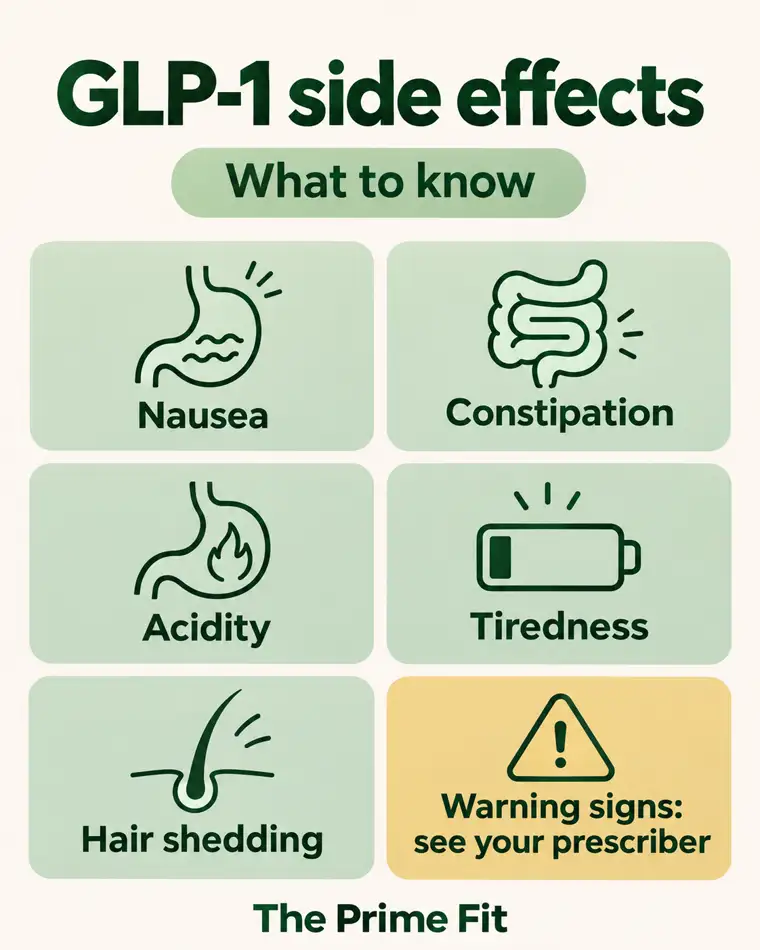
Nausea is the most common side effect. It tends to appear in the first few days after starting or increasing the dose and eases over one to two weeks. It is usually worse after large meals, fried or oily food, very sweet food, and eating quickly.
- Eat smaller portions, slowly, and stop at the first sign of fullness.
- Choose light, low-fat meals: khichdi, dal with soft roti, idli, curd rice, dalia, clear soups, boiled or lightly sautéed vegetables.
- Avoid lying down for two hours after eating.
- Sip fluids between meals rather than drinking large amounts with food. Ginger tea, jeera water, nimbu pani without much sugar, or plain cold water help many people.
- Keep plain foods handy for difficult days: toast, khakhra, banana, roasted makhana.
- Avoid strong cooking smells if they trigger nausea, and try cold or room-temperature food.
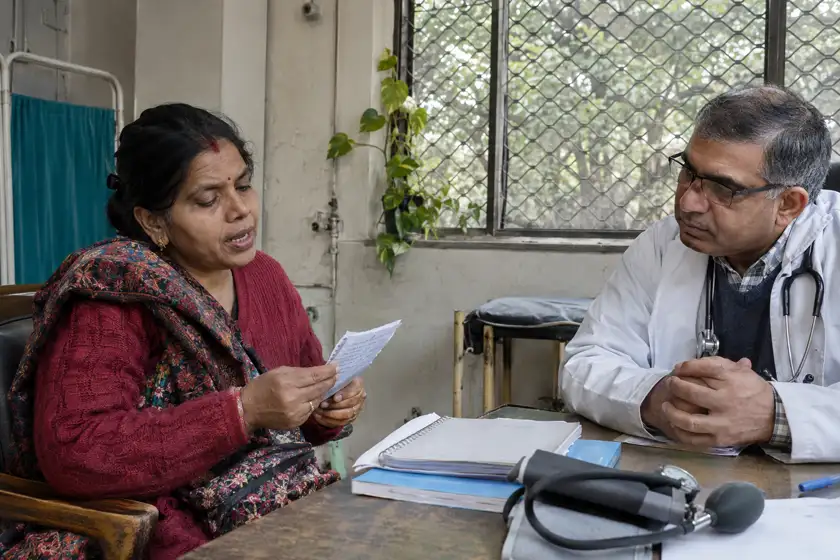
If nausea is troublesome, tell your healthcare provider. Staying longer on the current dose, or stepping back to the previous one, often solves it. Anti-nausea medicine can be prescribed for short periods.
Vomiting
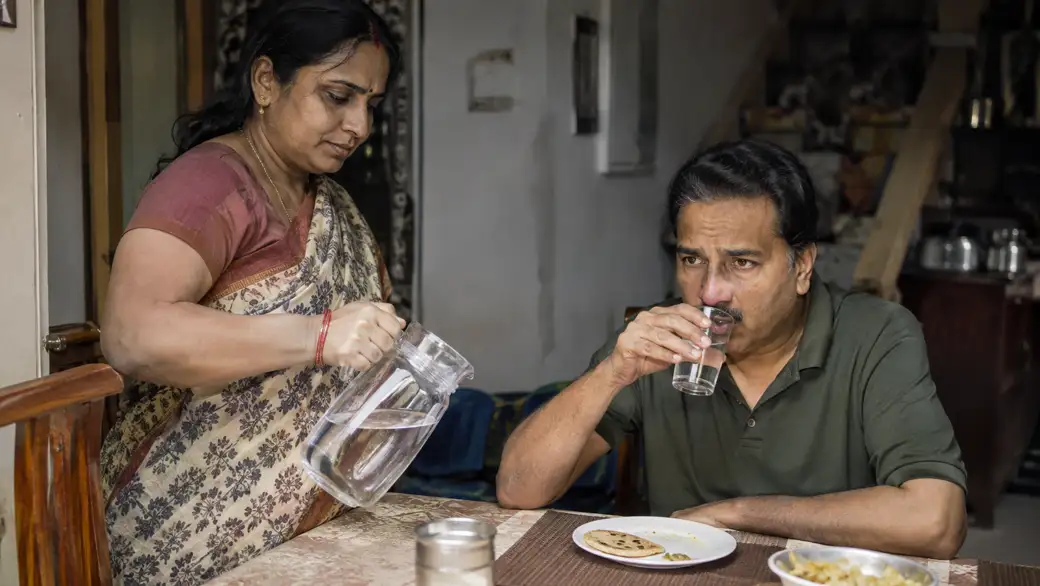
Vomiting usually follows a meal that was too large or too rich for a slowed stomach. One or two episodes after a dose increase are not unusual. Rest the stomach for an hour or two, then take small sips of water or oral rehydration solution (ORS), and return to light food.
Call your healthcare provider if
Vomiting continues for more than 24 hours, you cannot keep fluids down, you pass very little urine, feel dizzy on standing, or have severe abdominal pain. Dehydration can harm the kidneys and needs prompt attention.
Diarrhoea
Loose stools tend to come in short episodes. Replace fluids and salts with ORS, chaas, coconut water or salted nimbu pani. For a day or two, choose curd rice, banana, khichdi, toast and boiled potato, and reduce very oily, spicy and high-sugar foods. Sugar alcohols in “sugar-free” sweets and some protein bars can make diarrhoea worse. If loose stools last more than two to three days, contain blood, or come with fever, seek medical advice.
Constipation
Constipation is common because the gut moves more slowly and because you are eating and often drinking less. Unlike nausea, it may not fade on its own, so prevention matters.
- Drink enough fluid: most adults need about 2 to 3 litres a day unless a healthcare professional has advised a restriction.
- Add fibre gradually: vegetables at lunch and dinner, whole fruit such as papaya, guava or pear, whole dals, oats, and a spoon of soaked chia or isabgol (psyllium) with plenty of water.
- Walk daily. Movement stimulates the bowel.
- Do not ignore the urge to go, and keep a regular toilet routine.
If these steps are not enough, your healthcare provider may suggest a gentle laxative. Severe constipation with abdominal swelling, vomiting, or inability to pass stool or gas needs urgent assessment.
Acidity, burping, bloating and a feeling of fullness
Because food remains in the stomach longer, reflux, sulphur-smelling burps and bloating can occur. Smaller meals, less oil, fewer fizzy drinks, an early dinner and raising the head of the bed all help. Limit foods that commonly trigger reflux, such as fried snacks, heavy gravies, chocolate, coffee on an empty stomach and alcohol. Your healthcare provider can prescribe an antacid if needed.
Stomach pain
Mild cramping or discomfort can accompany the digestive effects. It should be manageable and short-lived. Severe, persistent pain is different and is covered under serious side effects below.
Other common side effects
Tiredness and low energy
Fatigue in the first weeks is usually the result of eating much less, drinking less, or losing weight quickly. Check the basics: are you getting enough protein, fluids and salt, and are you skipping meals because you are not hungry? Three small protein-containing meals a day, even when appetite is low, usually restores energy. Persistent tiredness deserves a review and possibly blood tests for iron, vitamin B12, vitamin D and thyroid function.
Headache and dizziness
These are often signs of dehydration or of blood sugar or blood pressure running lower than you are used to. Drink regularly, do not skip meals, and stand up slowly. If you take medicines for blood pressure or diabetes, your doses may need to be reduced as you lose weight. That is a good problem to have, but it must be managed by your healthcare provider.
Injection-site reactions
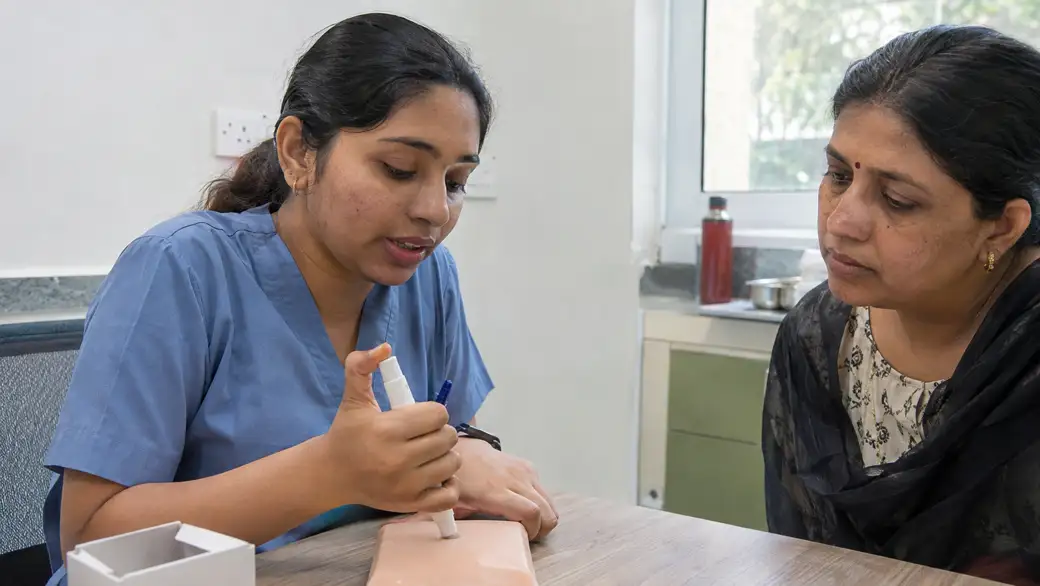
Mild redness, itching or a small lump at the injection site can occur and usually settles within a few days. Rotate between the abdomen, thigh and upper arm, and do not inject into the same spot each week. Widespread rash, swelling of the face or throat, or difficulty breathing is an emergency.
Changes in taste and reduced interest in food
Many people find that favourite foods, especially sweet, fried or very rich foods, become less appealing. This is part of how the medicine works. The risk is under-eating. If you are regularly eating fewer than two proper meals a day, speak to your dietitian.
Side effects linked to rapid weight loss
Some effects are caused less by the medicine itself and more by losing weight quickly. They also occur after bariatric surgery or strict dieting.
Hair shedding
Increased hair fall a few months into treatment is usually telogen effluvium, a temporary shedding triggered by rapid weight loss or low protein and nutrient intake. It is not permanent baldness, and hair generally regrows once weight stabilises. Adequate protein, and correcting iron, vitamin D, B12 and zinc deficiencies if present, are the main preventive steps. Losing weight at a steadier pace also helps.
Muscle loss
Whenever weight falls, some of the loss is lean tissue. Without enough protein and resistance exercise, the proportion of muscle lost can be higher than it should be, which leaves you weaker and lowers your metabolic rate. This is one of the most important reasons to combine GLP-1 treatment with a structured nutrition plan. As a general guide, many adults in treatment benefit from roughly 1.0 to 1.5 grams of protein per kilogram of body weight a day, adjusted for kidney health, plus strength training two to three times a week.
Loose skin and facial changes
The so-called “Ozempic face” is simply the loss of facial fat that comes with significant weight loss by any method. Slower loss, good protein intake, hydration and sun protection help the skin adapt.
Gallstones
Rapid weight loss increases the risk of gallstones, and GLP-1 medicines have been associated with a higher rate of gallbladder problems. Symptoms include pain in the upper right or middle of the abdomen, often after a fatty meal, which may spread to the back or right shoulder, sometimes with nausea, fever or yellowing of the eyes. These need medical assessment.
Rare but serious side effects: know the warning signs
These events are uncommon. They are listed here so that you can recognise them early, not to alarm you.
| Possible problem | Warning signs | What to do |
|---|---|---|
| Pancreatitis (inflammation of the pancreas) | Severe, persistent pain in the upper abdomen that may spread to the back, often with vomiting | Stop the injection and seek urgent medical care |
| Gallbladder disease | Pain under the right ribs, fever, yellow eyes or skin, pale stools | See a healthcare professional promptly |
| Dehydration and kidney injury | Ongoing vomiting or diarrhoea, very little urine, dizziness | Rehydrate and contact your healthcare provider the same day |
| Low blood sugar (mainly with insulin or sulfonylureas) | Shakiness, sweating, hunger, confusion, palpitations | Take fast-acting sugar, recheck, and inform your healthcare provider so doses can be adjusted |
| Severe allergic reaction | Swelling of face, lips or throat, difficulty breathing, widespread rash | Emergency care immediately |
| Bowel obstruction or severe gastroparesis | Severe bloating, repeated vomiting, inability to pass stool or gas | Urgent medical assessment |
| Worsening of diabetic eye disease | New blurring or loss of vision in people with existing diabetic retinopathy | Report promptly; keep up regular eye checks |
| Changes in mood | New or worsening low mood, anxiety or thoughts of self-harm | Tell your healthcare provider or seek help straight away |
Thyroid tumours: what the warning means
In studies in rats and mice, GLP-1 medicines caused a type of thyroid tumour called medullary thyroid carcinoma. It is not known whether they cause it in humans, and this cancer is rare. As a precaution, these medicines should not be used by anyone with a personal or family history of medullary thyroid carcinoma or of multiple endocrine neoplasia syndrome type 2 (MEN 2). Common thyroid conditions such as hypothyroidism are not a reason to avoid treatment, but tell your healthcare provider about any thyroid history, and report a lump in the neck, persistent hoarseness or difficulty swallowing.
Surgery and anaesthesia
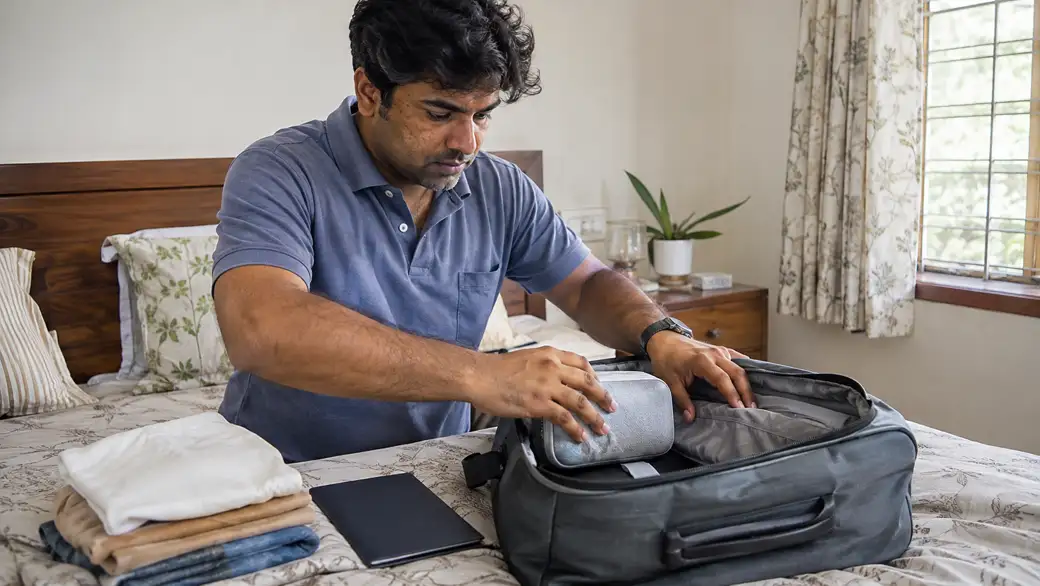
Because the stomach empties slowly, food may remain in it even after normal fasting, which matters during anaesthesia or sedation. Always tell your surgeon, anaesthetist or endoscopist that you are on a GLP-1 medicine well before any planned procedure. They will advise whether to pause the injection or change the fasting instructions.
Who should not take GLP-1 medicines, or needs extra care
- Pregnancy and breastfeeding: these medicines are not recommended. Women planning a pregnancy should stop treatment in advance, as advised by their healthcare provider, commonly about one month before for tirzepatide and two months before for semaglutide.
- Contraception with tirzepatide: tirzepatide can reduce the absorption of oral contraceptive pills when it is started and after each dose increase. Healthcare professionals usually advise adding a barrier method, or using a non-oral method, for four weeks after starting and after each increase.
- History of pancreatitis: discuss the risks carefully with your healthcare provider.
- Severe stomach or bowel disease including gastroparesis: generally not suitable.
- Personal or family history of medullary thyroid carcinoma or MEN 2: must not be used.
- Diabetic retinopathy, kidney disease, gallbladder disease: treatment may be possible with closer monitoring.
- Type 1 diabetes and eating disorders: need specialist assessment.
This is why a proper medical assessment, including your history, current medicines and blood tests, comes before any prescription.
A week-by-week picture of what to expect
| Stage | What many people notice | What helps |
|---|---|---|
| Weeks 1 to 4 (starting dose) | Reduced appetite, mild nausea or fullness, occasional loose stools or constipation | Small meals, low oil, fluids, fibre, gentle walking |
| Each dose increase | A brief return of nausea or bowel changes for a few days to two weeks | Return to lighter meals for a week; ask about staying on the same dose longer if needed |
| Months 2 to 4 | Steady weight loss; possible tiredness or constipation if intake is low | Protein at every meal, strength training, review of other medicines |
| Months 3 to 6 | Possible temporary hair shedding; clothes fitting differently | Check protein and micronutrients; avoid losing weight too fast |
| Maintenance dose | Most digestive effects have settled | Regular reviews, body-composition tracking, a long-term plan |
Everyone is different. Some people have almost no symptoms at any stage, and a few find that a particular dose does not suit them. Your healthcare provider can adjust the plan either way.
Ten food and lifestyle rules that prevent most side effects
- Eat small, eat slowly. Use a smaller plate and put the spoon down between bites. Stop when comfortably satisfied, not full.
- Protein first. Start each meal with dal, paneer, curd, eggs, fish or chicken, then vegetables, then roti or rice.
- Keep meals low in oil. Fried and creamy foods sit longest in a slowed stomach and are the commonest triggers of nausea and vomiting.
- Do not skip meals. Three small meals are better tolerated than one large one, and they protect your muscle and energy.
- Drink through the day. Aim for pale yellow urine. Sip between meals rather than with them if you feel full quickly.
- Add fibre gradually. Vegetables, fruit, whole dals and isabgol prevent constipation, but a sudden large increase can cause bloating.
- Limit alcohol, fizzy drinks and very sweet foods. They worsen reflux, nausea and dehydration.
- Move every day and lift twice a week. Walking helps digestion and constipation; resistance exercise protects muscle.
- Take the injection on the same day each week, and consider taking it when the following two days are lighter for you, since symptoms often peak one to three days after the dose.
- Report problems early. A small dose adjustment made in time prevents most people from giving up treatment.
What a sample “gentle day” of eating looks like
On the days after a dose increase, many patients do well with a menu like this. Portions are deliberately small; add a snack if you are hungry.
| Meal | Vegetarian | Non-vegetarian |
|---|---|---|
| On waking | Warm water or jeera water | Warm water or ginger tea |
| Breakfast | 1 moong dal chilla with curd, or 2 idlis with sambar | 2 soft-scrambled eggs with 1 slice toast |
| Mid-morning | Chaas or a small bowl of papaya | Chaas or coconut water |
| Lunch | Small bowl moong dal khichdi with lauki sabzi and curd | Small portion rice with light fish or chicken curry and sautéed vegetables |
| Evening | Roasted makhana or a small bowl of sprouts | Boiled egg or roasted chana |
| Dinner (early) | Vegetable dal soup with 1 soft phulka and paneer bhurji | Clear chicken soup with vegetables and 1 phulka |

Side effects and other medicines
GLP-1 medicines can interact with your existing treatment in three practical ways:
- Diabetes medicines: insulin and sulfonylureas may need lower doses to prevent low blood sugar.
- Blood pressure medicines: as weight falls, blood pressure often improves, and doses may need to be reduced to avoid dizziness.
- Oral medicines that depend on absorption timing: slower stomach emptying can affect how some tablets are absorbed. This includes oral contraceptives with tirzepatide. Give your healthcare provider a complete list of your medicines and supplements.
When side effects mean the dose should change
It is appropriate to contact your care team, and often to pause a dose increase, if you have vomiting more than once or twice a week, nausea that stops you eating or working, constipation not responding to simple measures, dizziness or fainting, or weight loss faster than about 1 kg a week over several weeks with weakness. Options include staying on the current dose for longer, going back to the previous dose, short-term supportive medicines, or switching to a different medicine. Stopping altogether is rarely the first step.
Do not adjust the dose yourself, split doses, or use pens that are not prescribed for you. Products bought online without a prescription may be counterfeit or incorrectly dosed, and there is no one to help if things go wrong.
How The Prime Fit keeps treatment comfortable and safe
At The Prime Fit, GLP-1 treatment is prescribed only after an expert-led assessment of your history, medicines and tests. Doses are increased step by step according to how you feel, not according to a fixed calendar. A dietitian plans meals around Indian food to keep nausea and constipation low and protein high, and reviews you every week. If a side effect appears, you have a team to message, and your plan is adjusted quickly.
If you would like to know whether treatment is suitable for you, book a consultation or read about our GLP-1 therapy programme and GLP-1 support programme.
Frequently asked questions
How long do GLP-1 side effects last?
Digestive side effects are usually strongest for a few days to two weeks after starting or increasing the dose and then settle. Constipation can last longer and benefits from fluids, fibre and activity. If symptoms continue beyond a few weeks on the same dose, speak to your healthcare provider.
Which has fewer side effects, Mounjaro or Wegovy?
Both cause similar digestive effects. In their main weight-management trials, nausea and vomiting were reported somewhat less often with tirzepatide than with semaglutide 2.4 mg, but the studies were separate and individuals vary. The right choice depends on your health, response and your healthcare provider’s advice.
What foods should I avoid to reduce nausea?
Limit fried and oily foods, heavy gravies, very sweet foods, large portions, fizzy drinks and alcohol. Eat small, light meals slowly, and avoid lying down soon after eating.
Does hair loss on GLP-1 medicines grow back?
In most cases, yes. The shedding is usually a temporary reaction to rapid weight loss or low nutrient intake, and hair regrows when weight stabilises and nutrition is adequate. Check protein, iron, vitamin D and B12 with your care team.
Can GLP-1 injections damage the kidneys or liver?
They are not known to damage healthy kidneys or the liver directly. Kidney problems have occurred when severe vomiting or diarrhoea caused dehydration, which is why fluid intake matters. Weight loss with these medicines often improves fatty liver.
Do GLP-1 medicines cause low blood sugar?
Rarely on their own. The risk rises if you also take insulin or sulfonylurea tablets, so your healthcare provider may reduce those doses when you start treatment.
What should I do if I vomit after my injection?
Rest, sip water or ORS, and return to light food when settled. Do not take an extra dose. If vomiting persists for more than 24 hours or you cannot keep fluids down, contact your healthcare provider.
Is it safe to take GLP-1 medicines for a long time?
Clinical trials lasting up to several years, and many years of use in diabetes, support their safety under medical supervision. Long-term treatment requires regular reviews, and research is continuing.
Should I stop my injection before surgery?
Tell your surgeon and anaesthetist well in advance. Because the stomach empties slowly, they may ask you to pause the medicine or follow different fasting instructions before anaesthesia or endoscopy.
When should I go to hospital?
Seek urgent care for severe, persistent abdominal pain, repeated vomiting with inability to drink, signs of dehydration, yellowing of the eyes, difficulty breathing or swelling of the face or throat, or fainting.
This article is general information and is not a substitute for a consultation. Prescription medicines should be started, adjusted and stopped only by a qualified healthcare professional who knows your medical history.