In this article
- Do you need a protein powder at all?
- What are the real safety concerns?
- Heavy metals in protein powder: how worried should you be?
- How to read a protein powder label in India
- What is amino spiking?
- How to check the protein per serving
- Which protein powder type suits you?
- How to choose a safer protein powder: a checklist
- Who should avoid protein powder or ask a healthcare professional first?
- How much protein powder is reasonable?
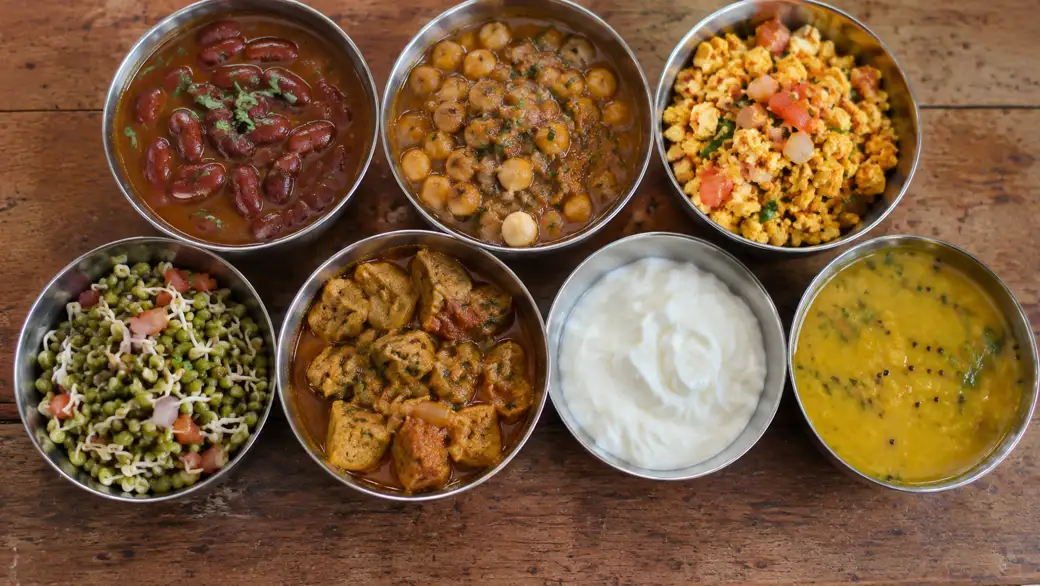
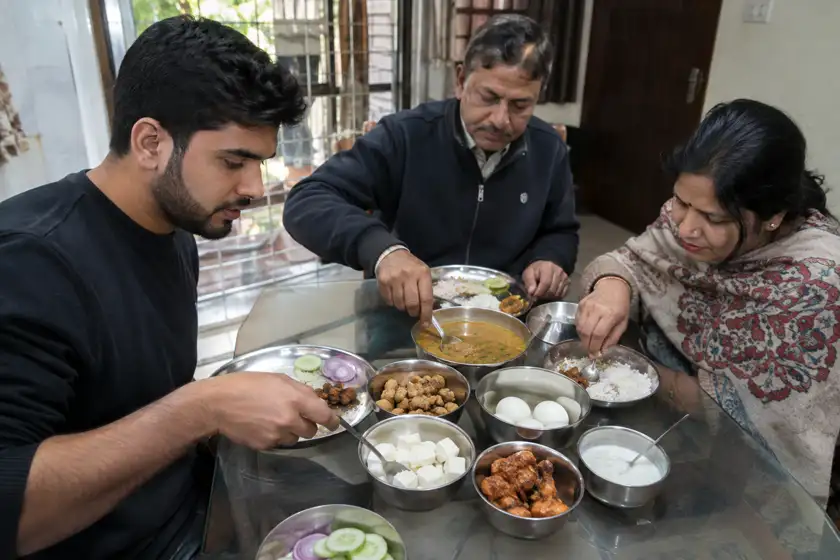
- Can Indian food give you enough protein without powder?
- Common myths about protein powder
- Questions to ask your healthcare provider
- How The Prime Fit helps
- Frequently asked questions
Protein powder safety in India is a fair thing to worry about. Protein powders are sold as foods, not medicines, so they are not tested the way a medicine is before they reach the shelf. Independent testing in India and abroad has found products with less protein than the label claims, and some with contaminants such as heavy metals. That does not mean every tub is unsafe. It means you need to choose carefully.
The short answer: most healthy adults can use a simple, well-made protein powder in moderate amounts, but many do not need one at all. If you buy one, pick a product with a valid FSSAI licence, a short ingredient list, a clear protein figure per serving and, ideally, independent laboratory testing. Buy it from a seller you trust, and treat it as a top-up to food, not a replacement for meals.
This guide is general information. If you have kidney or liver disease, are pregnant or breastfeeding, or are buying for a teenager, speak to your healthcare provider before using any supplement.
Do you need a protein powder at all?
Protein powder is concentrated food protein, usually from milk (whey or casein), soy, pea, rice or a blend. It has no special property that food protein lacks. Its only real advantages are convenience and a high amount of protein in a small volume.
The Indian recommended dietary allowance for healthy adults is about 0.83 g of protein per kg of body weight per day. During weight loss, and for older adults or people doing strength training, many clinicians aim higher, often about 1.0 to 1.5 g per kg, to help protect muscle. Your own target should be set by your healthcare provider or dietitian.
India’s national dietary guidelines, updated in 2024, advise meeting protein needs from food and caution against routine use of protein supplements. Supplements are most useful when food alone falls short, for example:
- Low appetite on a GLP-1 medicine such as Mounjaro or Wegovy, when full meals are hard to finish.
- Vegetarian diets that rely heavily on roti, rice and small portions of dal.
- Older adults who eat little and are losing muscle.
- After bariatric surgery or during recovery from illness, under medical advice.
If you are on treatment, our vegetarian high-protein meal plan for GLP-1 users shows how far food alone can take you.
What are the real safety concerns?
There are four main problems, and they are different from each other.
| Concern | What it means | How to reduce the risk |
|---|---|---|
| Mislabelling | The tub contains less protein than claimed, or cheap amino acids are added to inflate the test result | Choose products with independent laboratory reports; check the ingredient list for added single amino acids |
| Contaminants | Heavy metals such as lead, cadmium and arsenic, fungal toxins or pesticide residues carried in from raw materials | Prefer batch-tested products; keep to one serving a day; vary your protein sources |
| Undeclared or risky additions | Herbal extracts, stimulants or, rarely, hormone-like substances, mainly in “gainer” or “fat burner” blends | Avoid products with long proprietary blends and dramatic claims |
| Counterfeits | Fake copies of popular products sold through unofficial channels | Buy from authorised sellers; check seals, batch number and verification codes |
Heavy metals in protein powder: how worried should you be?
Heavy metals are present in soil and water, so small traces appear in many ordinary foods, including rice, leafy vegetables and cocoa. Plants absorb them as they grow. When a plant protein is concentrated into a powder, those traces can be concentrated too.
Testing by consumer groups in other countries has repeatedly found that plant-based powders, particularly rice and pea protein, and chocolate-flavoured powders tend to carry more lead and cadmium than plain whey-based ones. An independent analysis of 36 protein supplements sold in India, published in 2024, reported that a majority did not match their label claims, and that some samples contained fungal toxins, pesticide residues or heavy metals such as lead and arsenic.
A single shake is not going to poison anyone. The concern is long-term, repeated exposure, especially from two or three scoops every day for years. Lead has no known safe level, and children and pregnant women are the most vulnerable. This is the reason to buy tested products, keep the dose modest and not rely on powder for most of your protein.
Plant-based does not mean unsafe
Vegetarians and vegans do not need to avoid plant protein powders. They simply have more reason to ask for a batch test report that covers heavy metals, and to rotate between powders and whole foods such as dal, soya and curd.
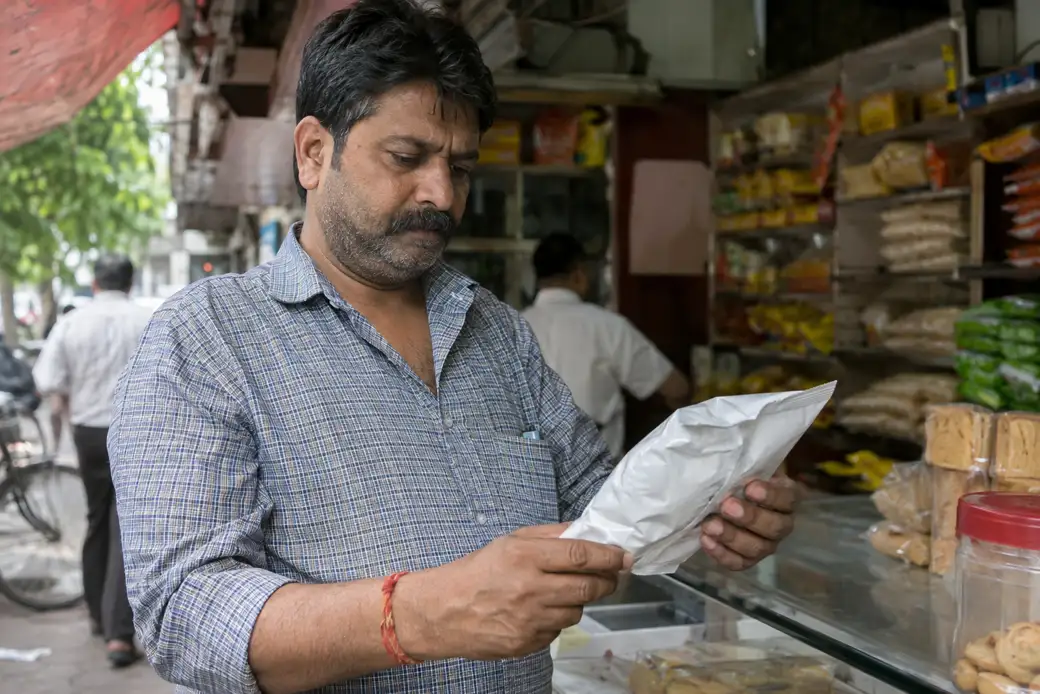
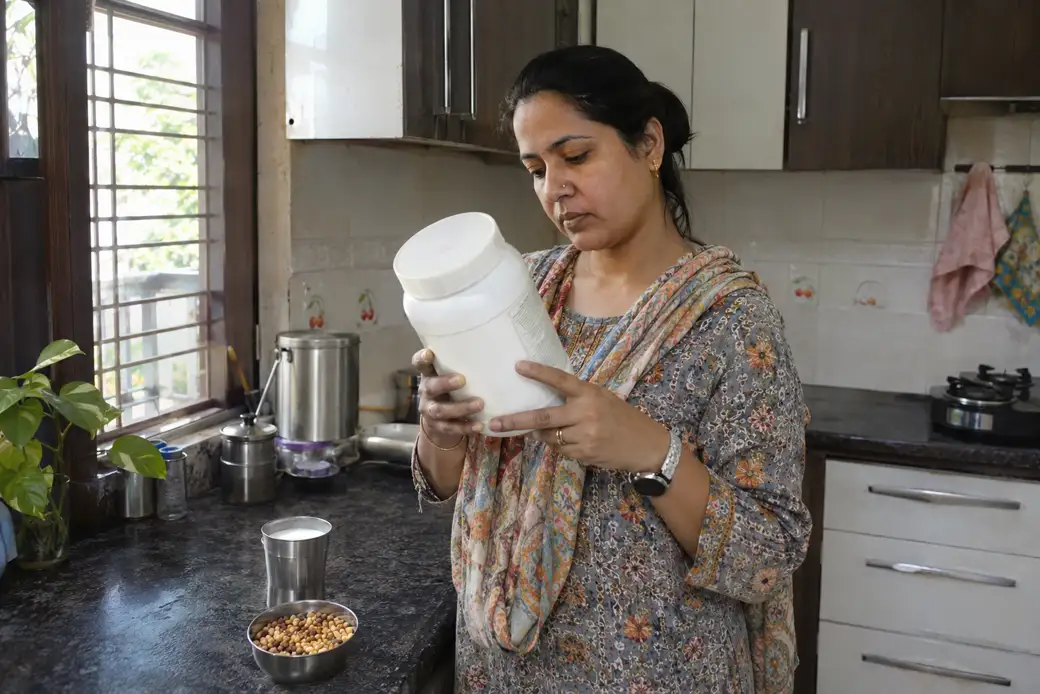
How to read a protein powder label in India
Protein powders in India fall under FSSAI rules for health supplements and nutraceuticals. A genuine product should show all of the following. If several are missing, put the tub back.
| On the label | What to look for |
|---|---|
| FSSAI logo and licence number | A 14-digit licence number for the manufacturer, and for the importer if the product is imported |
| Category statement | Words such as “health supplement” and the statement “not for medicinal use” |
| Ingredient list | Listed in descending order by weight. The protein source should come first |
| Nutrition information | Protein, carbohydrate, sugars, fat and sodium per 100 g and per serving, with the serving size in grams |
| Vegetarian or non-vegetarian mark | The green or brown symbol |
| Allergen declaration | Milk, soy, nuts or gluten where relevant |
| Batch number, manufacture date, best before date | Clearly printed, not on a sticker placed over other text |
| Name and address | Manufacturer, packer and, for imports, the Indian importer |
| Usage and warnings | Recommended daily usage and a warning not to exceed it |
An FSSAI licence shows the business is registered. It does not mean that FSSAI has tested that particular batch, so the licence is a minimum requirement, not a guarantee of purity.
What is amino spiking?
The standard laboratory method for measuring protein actually measures nitrogen. Cheap nitrogen-rich ingredients, such as the amino acids glycine and taurine, or creatine, raise the nitrogen reading without providing complete protein. A product can then claim a higher protein figure than it truly delivers. This practice is often called amino spiking.
To spot it, read the ingredient list. Be cautious if single amino acids such as glycine, taurine or glutamine appear high in the list of a product sold simply as whey protein, or if the label uses a “proprietary blend” without giving amounts.

How to check the protein per serving
Do one small calculation before buying. Divide the grams of protein per serving by the serving size in grams.
Illustrative example: a label states 24 g of protein in a 30 g scoop. 24 divided by 30 is 0.8, so the powder is 80% protein. A label that states 20 g of protein in a 45 g scoop is about 44% protein, which means more than half the scoop is something else, usually sugar, maltodextrin or flavouring.
- Whey protein concentrate is typically about 70 to 80% protein and contains some lactose and fat.
- Whey protein isolate is typically about 90% protein, with very little lactose, and may suit people with mild lactose intolerance better.
- Plant proteins (soy, pea, rice, blends) vary more. Soy is a complete protein. Pea and rice are often combined to balance their amino acids.
- Mass gainers are mostly carbohydrate and are rarely suitable for anyone trying to lose weight.
Also check added sugar. For weight loss, a powder with little or no added sugar is the sensible choice.
Which protein powder type suits you?
There is no single best type. Choose by tolerance, diet and purpose.
- If you digest milk well: a plain whey concentrate or isolate is the most studied option.
- If milk causes gas or loose stools: try an isolate or a plant blend.
- If you are vegan: soy or a pea and rice blend, with a heavy metal test report.
- If you have nausea on a GLP-1 medicine: unflavoured or lightly flavoured powder mixed into curd, dal or a thin lassi is often easier than a thick sweet shake.
Avoid products that combine protein with stimulants, “testosterone boosters” or weight loss herbs. Herbal and multi-ingredient bodybuilding supplements have been linked to cases of liver injury, and the more ingredients a product has, the harder it is to know what you are taking.
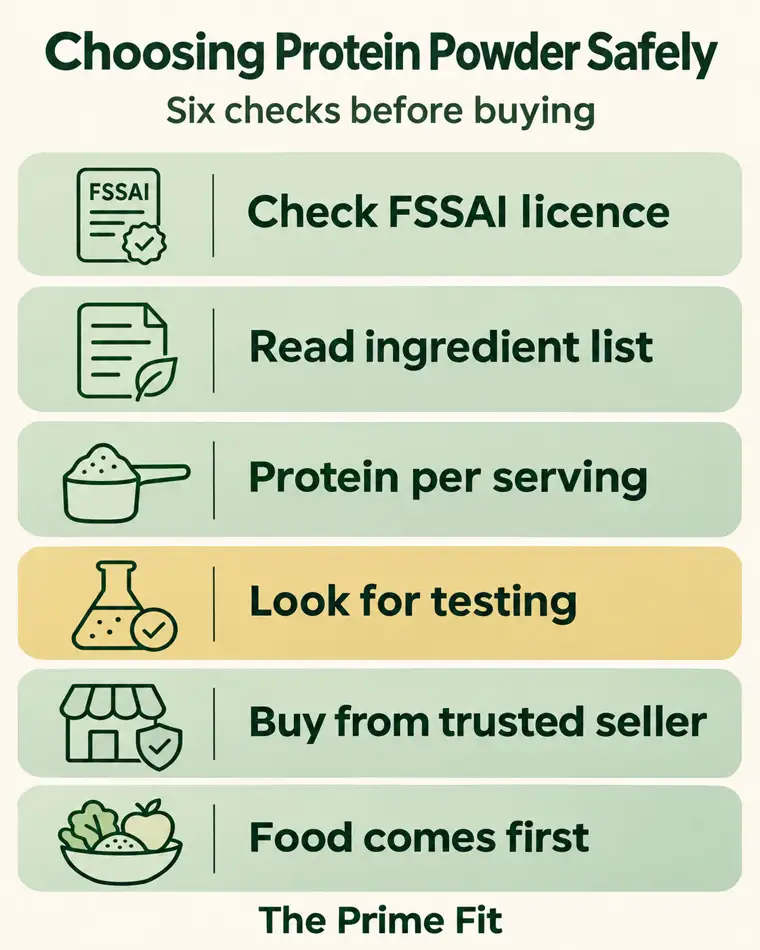
How to choose a safer protein powder: a checklist
- The FSSAI licence number is present and the label is complete.
- The ingredient list is short, with the protein source first.
- Protein is at least about 70% of the serving weight for a whey product.
- The company publishes independent laboratory reports for protein content and heavy metals, ideally by batch.
- Products certified by a recognised third-party testing programme are preferable, especially for competitive athletes who are subject to anti-doping rules.
- No proprietary blends, no stimulants, no claims to cure or treat disease.
- Bought from the company’s own shop or an authorised seller, with seals intact.
- A price far below the usual market rate is a warning sign for a counterfeit.
The same caution that applies to medicines applies here. Our guide to fake and unregulated GLP-1 pens explains why the source matters as much as the product.
Who should avoid protein powder or ask a healthcare professional first?
Speak to your healthcare provider before using protein supplements if you
Have chronic kidney disease or reduced kidney function, liver disease, gout or a history of kidney stones; are pregnant or breastfeeding; have a milk or soy allergy; take several regular medicines; or are buying for a child or teenager. People with kidney disease often need a controlled protein intake, and a supplement can push the total too high.
In people with healthy kidneys, a higher protein intake within sensible limits has not been shown to cause kidney damage. The difficulty is that early kidney disease is often silent, and it is more common in people with diabetes or high blood pressure. A simple kidney function test is part of the routine blood tests before GLP-1 treatment and is worth having before you raise your protein intake substantially.
Stop the product and see a healthcare professional promptly if you develop yellowing of the eyes or skin, dark urine, persistent nausea or vomiting, severe abdominal pain, itching, a rash, swelling of the face or lips, or difficulty breathing. Swelling of the face or throat or trouble breathing needs emergency care.
How much protein powder is reasonable?
For most adults who need one, a single serving a day providing about 20 to 25 g of protein is enough to close the gap. More is rarely necessary, and keeping to one serving limits your exposure to anything unwanted in the product.
Illustrative example: a person weighing 70 kg who has been advised to aim for 1.2 g per kg needs about 84 g of protein a day. If their usual meals provide about 60 g, one scoop giving 24 g brings the total to 84 g. Two or three scoops would add nothing useful.
Protein works best alongside resistance exercise. See our beginner strength training plan for a simple starting routine.
Can Indian food give you enough protein without powder?
Often, yes. The figures below are approximate and vary with recipe and portion.
| Food | Portion | Protein (approximate) |
|---|---|---|
| Paneer | 100 g | 18 g |
| Soya chunks | 30 g dry | 15 g |
| Cooked dal | 1 katori | 7 g |
| Curd | 200 g | 7 g |
| Milk | 250 ml | 8 g |
| Roasted chana | 30 g | 6 g |
| Eggs | 2 whole | 12 g |
| Chicken breast, cooked | 100 g | 25 to 30 g |
| Fish, cooked | 100 g | 20 g |
| Typical protein powder | 1 scoop (about 30 g) | 20 to 25 g |
Sample day without powder (illustrative example, about 84 to 87 g protein)
| Meal | Vegetarian | Non-vegetarian |
|---|---|---|
| Breakfast | 2 besan chillas with 50 g paneer filling (about 22 g) | 2-egg omelette with a glass of milk (about 20 g) |
| Lunch | Dal, 200 g curd, 2 rotis, salad (about 20 g) | Chicken curry with 100 g chicken, 2 rotis, salad (about 33 g) |
| Evening | Roasted chana and a glass of milk (about 14 g) | 200 g curd (about 7 g) |
| Dinner | Soya chunk sabzi, dal, 2 rotis (about 28 g) | Grilled or curried fish 100 g, dal, vegetables (about 27 g) |
If you cannot manage these portions, which is common in the early months of GLP-1 treatment, a tested protein powder is a reasonable bridge. A dietitian can adjust this to your needs through clinical nutrition support.

Common myths about protein powder
- “Protein powder is a steroid.” No. Genuine protein powder is food protein. The risk lies in adulterated or multi-ingredient products, not in whey or soy itself.
- “Imported means safer.” Not necessarily. Imported products are also counterfeited, and quality depends on the manufacturer and the supply chain, not the country on the label.
- “More protein means more muscle.” Beyond your requirement, extra protein is simply extra calories. Muscle is built by training with adequate protein, not by protein alone.
- “Protein powder damages healthy kidneys.” This has not been shown at sensible intakes in people with normal kidney function. People with kidney disease are a different case and need medical advice.
- “Women will become bulky.” Protein powder does not do this. It helps preserve muscle, which supports strength and metabolism during weight loss.
- “Natural or herbal protein blends are gentler.” Added herbs make a product less predictable, not safer.
Questions to ask your healthcare provider
- How much protein should I aim for each day at my weight and age?
- Are my kidney and liver tests normal enough for a higher protein intake?
- Can I reach my target from food, or would a supplement help?
- Which type suits me, given my digestion, allergies and diet?
- Does my protein powder interact with any of my medicines or conditions?
- Should I use it differently on days when nausea or low appetite is worse?
How The Prime Fit helps
At The Prime Fit, protein is treated as part of a medical plan, not a product to sell. Your assessment looks at your weight, waist, medical history and blood tests, including kidney function where relevant. For Asian Indians, overweight begins at a BMI of 23 and obesity at 25, and you can check yours with our BMI calculator.
Nutrition support focuses on reaching a realistic protein target with foods you already eat, vegetarian or non-vegetarian, and on deciding honestly whether a supplement adds anything. Follow-up visits review your weight, muscle and symptoms, so the plan can change as your appetite and needs change, including during GLP-1 therapy.
Frequently asked questions
Is protein powder safe in India?
A well-made, tested product used in moderate amounts is generally safe for healthy adults. Quality varies, and independent testing has found mislabelled and contaminated products, so choosing carefully matters.
How do I know if my protein powder is genuine?
Buy from the company or an authorised seller, check that seals are intact, and look for a complete label with FSSAI licence number, batch number and dates. Use the verification code if the product has one. No single check is foolproof.
Do protein powders contain heavy metals?
Some do, usually in small amounts. Plant-based and chocolate-flavoured powders tend to have more. Choosing batch-tested products and keeping to one serving a day reduces exposure.
Does an FSSAI licence mean the product has been tested?
No. It shows the business is licensed to make or sell food. It is a basic requirement, not proof that a particular batch has been tested for purity.
Can I take protein powder on Mounjaro or Wegovy?
Yes, many people do when appetite is low and meals are small. Check your protein target and kidney function with your healthcare provider first, and choose a low-sugar product.
Is whey protein vegetarian?
Whey comes from milk, so it suits lacto-vegetarians but not vegans. Check the vegetarian mark on the label, as some products contain other ingredients.
Is protein powder safe for teenagers?
Most teenagers can meet their needs from food and do not need supplements. Ask a healthcare professional before giving any supplement to a child or teenager.
How many scoops a day are safe?
For most adults who need a supplement, one serving a day is enough. Your total protein from food and powder should match the target set with your healthcare provider or dietitian.
This article is general information and is not a substitute for a medical consultation. Food values and figures are approximate. Speak to your healthcare provider before starting any supplement, especially if you have kidney or liver disease, take regular medicines, or are pregnant or breastfeeding.