In this article
- The seven rules of eating on Mounjaro
- How much protein do you need?
- Your plate, simplified
- Eating at each dose stage
- The 7-day Indian menu
- Regional options
- Timing meals around your injection
- Fixing common problems with food
- Foods to keep small
- A worked example: reaching about 85 grams of protein on a vegetarian day
- Quick protein snacks and mini-meals
- Preparing ahead for busy weeks
- Fluids
- A simple grocery list
- Eating out and special occasions
- Supplements
- Do not forget exercise
- If you have diabetes
- Common mistakes
- How The Prime Fit helps
- Frequently asked questions
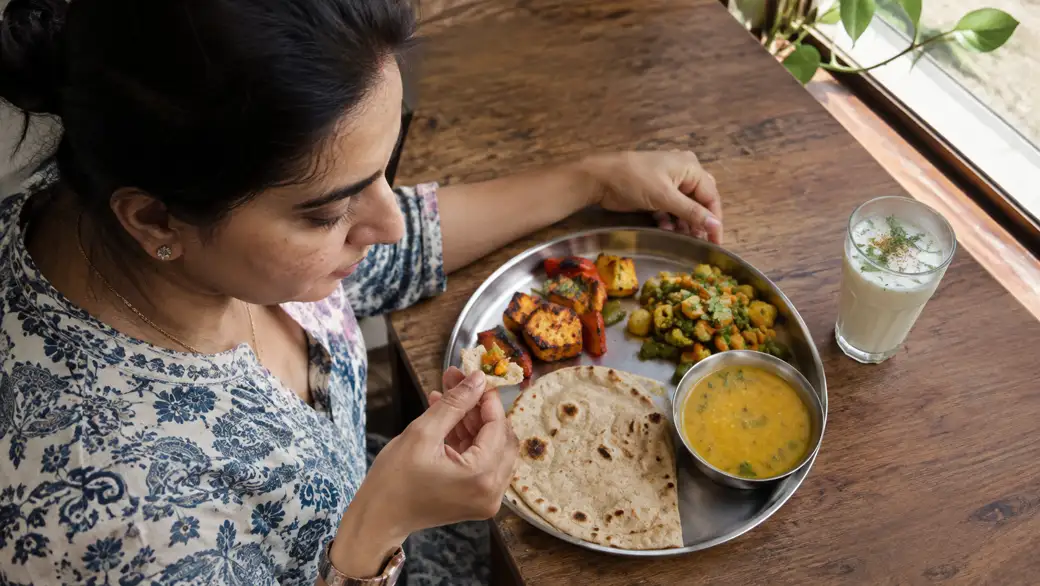
Mounjaro (tirzepatide) changes appetite profoundly. Portions that once seemed small become more than enough, and the constant pull of snacks fades. Many people assume that the medicine will therefore take care of the diet. It does take care of the quantity. The quality is still up to you.
With a small appetite, every meal matters more. If the little you eat is mostly roti, rice, tea and biscuits, you will lose weight, but a good part of it will be muscle, and you may feel tired, constipated and short of hair. If the same small meals are built around protein, vegetables and enough fluid, you lose mainly fat, keep your strength and feel well.
This guide is a working plan for Indian kitchens. It covers the principles, how to eat at each dose from 2.5 mg to 15 mg, how much protein you need, a seven-day menu for vegetarians and non-vegetarians, regional options, shopping, eating out and what to do when side effects appear. It is general information. Your own plan should be adjusted by a dietitian to your health, tests and preferences, particularly if you have diabetes or kidney disease.
The seven rules of eating on Mounjaro
- Protein first. Start every meal with the dal, paneer, curd, egg, fish or chicken. Then the vegetables. Roti or rice comes last, and you may not need all of it.
- Three meals, by the clock. Do not wait for hunger, which may not come. Skipped meals are the main cause of fatigue and muscle loss.
- Small portions, eaten slowly. Use a quarter plate, take 15 to 20 minutes, and stop at the first sign of fullness. One bite too many is what causes nausea.
- Less oil, especially around dose changes. Fried and creamy foods sit longest in a slowed stomach.
- Fibre and fluid every day. Vegetables, fruit, whole dals and 2 to 3 litres of fluid prevent constipation.
- Drink between meals, not with them, if you fill up quickly.
- Keep sugar and refined flour small. They take up room and add nothing your body needs.
How much protein do you need?
For many adults on treatment, dietitians aim for about 1.0 to 1.5 grams of protein per kilogram of body weight a day. Your dietitian may calculate from a target or adjusted weight if your weight is high, and your healthcare provider will set a lower figure if you have kidney disease.
| Body weight | Daily protein range | Per meal, over three meals |
|---|---|---|
| 60 kg | 60 to 90 g | 20 to 30 g |
| 70 kg | 70 to 105 g | 23 to 35 g |
| 80 kg | 80 to 120 g | 27 to 40 g |
| 90 kg | 90 to 135 g | 30 to 45 g |
| 100 kg | 100 to 150 g | 33 to 50 g |
On a small appetite, the lower end of the range is a realistic first goal. A typical Indian vegetarian day of tea, poha, dal-roti-sabzi and khichdi provides only 35 to 45 grams, so reaching even 70 grams takes planning.
Protein in everyday Indian foods
| Food | Serving | Approximate protein |
|---|---|---|
| Paneer | 100 g (about 5 medium cubes) | 18 g |
| Tofu | 100 g | 10 to 12 g |
| Soya chunks | 30 g dry (1 katori cooked) | 15 g |
| Hung curd or Greek-style yoghurt | 150 g | 12 to 15 g |
| Curd | 1 katori (200 g) | 6 to 8 g |
| Milk | 1 glass (250 ml) | 8 g |
| Cooked dal | 1 katori | 7 to 9 g |
| Chana, rajma or lobia, cooked | 1 katori | 12 to 15 g |
| Sprouted moong | 1 katori | 7 g |
| Besan or moong chilla | 2 medium | 10 to 12 g |
| Egg | 1 whole | 6 g |
| Chicken, cooked | 100 g | 25 to 28 g |
| Fish, cooked | 100 g | 20 to 22 g |
| Roasted chana or peanuts | 30 g (a handful) | 6 to 7 g |
| Protein powder | 1 scoop | 20 to 25 g |
Figures are approximate. If you cannot reach your target with food, your dietitian may suggest a protein supplement, often as a shake blended with milk or curd and fruit.
Your plate, simplified
Because your portions are small, think in terms of a quarter plate or a single bowl.
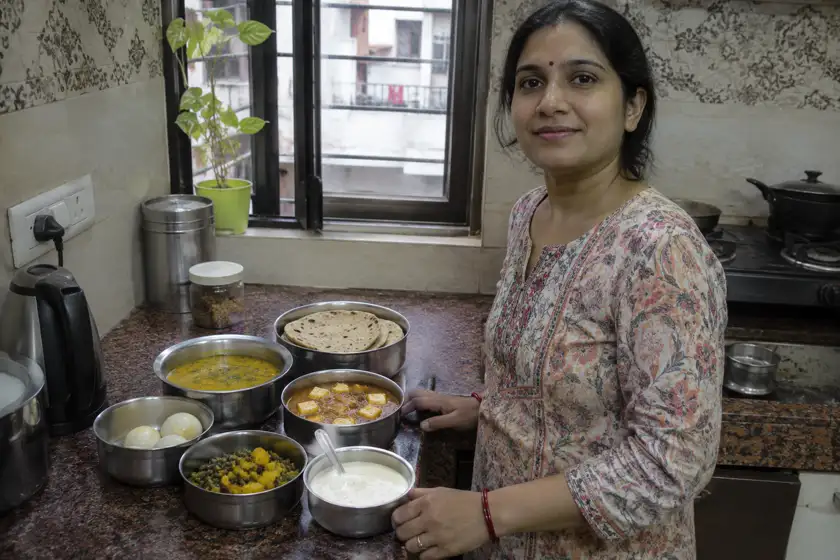
- Half of what you eat: protein. For example, one katori of thick dal plus paneer or curd; or two eggs; or a palm-sized piece of fish or chicken.
- A third: vegetables. Cooked sabzi, with a little salad if it suits you.
- The rest: whole-grain carbohydrate. One small roti or half a katori of rice. Leave it if you are full.
- A little healthy fat: about one teaspoon of oil or ghee per meal. Do not remove fat completely; small amounts help the gallbladder empty and make meals satisfying.
Eating at each dose stage
| Stage | What is happening | How to eat |
|---|---|---|
| 2.5 mg, weeks 1 to 4 | The body is adjusting; appetite begins to fall; mild nausea possible | Establish the routine: three meals, protein first, smaller plate, water target. Reduce fried food, sweets and sugary drinks now, before the higher doses |
| 5 mg | Clear appetite reduction; portions shrink | Track protein for a few days to see where you stand. Add a mid-morning or evening protein snack if meals are very small |
| The week after any increase | Nausea, fullness or reflux may return for a few days | Gentle week: khichdi, dal with soft phulka, idli, curd rice, soups, eggs. Very little oil. Fluids between meals |
| 7.5 to 10 mg | Strong appetite suppression; risk of under-eating and constipation | Eat by the clock even without hunger. Choose dense protein: paneer, hung curd, eggs, chicken, soya. Fruit, vegetables, isabgol if advised. Consider a protein shake |
| 12.5 to 15 mg | Very small appetite in many people | Five small eating occasions may work better than three meals. Liquids count: milk, chaas, dal soup, shakes. Review with your dietitian; if you cannot meet protein and fluid needs, the dose may be too high for you |
| Maintenance | Weight stable; appetite steadier | Keep the same pattern with slightly larger portions of whole grains, fruit and healthy fats. Do not drift back to old habits |
The 7-day Indian menu
Portions are deliberately modest to suit a reduced appetite. Depending on how much you eat, the plan provides very roughly 1,300 to 1,500 calories and 75 to 95 grams of protein a day. Adjust with your dietitian. Drink water through the day, and have tea or coffee with little or no sugar.
Vegetarian
| Day | Breakfast | Lunch | Evening | Dinner |
|---|---|---|---|---|
| Mon | 2 moong chillas stuffed with paneer, mint chutney | 1 roti, 1 katori thick toor dal, lauki sabzi, curd | Roasted chana, chaas | Paneer bhurji with capsicum and peas, 1 phulka |
| Tue | Vegetable oats cooked in milk, a few almonds | Small katori rice, rajma, cabbage sabzi, cucumber raita | Sprouts chaat with lemon | Soya chunk curry, sautéed beans, 1 phulka |
| Wed | Hung curd bowl with fruit, chia and roasted seeds; 1 besan chilla | 1 bajra roti, chana masala, bhindi sabzi, salad | A glass of milk or a protein shake | Moong dal khichdi with vegetables (more dal than rice), kadhi |
| Thu | 2 idlis with sambar rich in dal and vegetables, peanut chutney | 1 roti, masoor dal, palak paneer, salad | Roasted makhana and peanuts | Tofu and vegetable stir-fry, dal soup |
| Fri | Besan chilla with grated vegetables, curd | Small katori rice, sambar, beans poriyal, curd | Paneer tikka, 3 to 4 pieces | Lobia curry, tori sabzi, 1 phulka |
| Sat | Sprouted moong and vegetable poha with peanuts; a glass of milk | 1 roti, mixed dal, cauliflower-pea sabzi, raita | Fruit with a handful of nuts | Paneer and vegetable soup, 1 small multigrain roti |
| Sun | Paneer-stuffed roti (little oil) with curd | Family meal: salad and sabzi first, then dal or paneer dish, 1 roti or a little rice | Chaas, roasted chana | Light: moong dal soup with vegetables, curd |
Non-vegetarian
| Day | Breakfast | Lunch | Evening | Dinner |
|---|---|---|---|---|
| Mon | 2-egg vegetable omelette, 1 slice whole wheat toast | 1 roti, chicken curry (little oil), lauki sabzi, curd | Roasted chana, chaas | Grilled fish, sautéed vegetables, dal |
| Tue | Vegetable oats with milk; 1 boiled egg | Small katori rice, fish curry, cabbage sabzi, salad | Boiled egg or sprouts chaat | Chicken and vegetable soup, 1 phulka |
| Wed | Egg bhurji (2 eggs) with 1 phulka | 1 bajra roti, dal, bhindi sabzi, grilled chicken pieces | A glass of milk or a protein shake | Moong dal khichdi with vegetables, curd |
| Thu | 2 idlis with sambar; 1 boiled egg | 1 roti, egg curry (2 eggs), palak sabzi, salad | Roasted makhana and peanuts | Tandoori or grilled chicken, mint chutney, salad |
| Fri | Besan chilla with curd | Small katori rice, sambar, beans poriyal, fish fry made on a tawa | Chicken tikka, 3 to 4 pieces | Dal, tori sabzi, 1 phulka, curd |
| Sat | 2 boiled eggs, 1 toast, fruit | 1 roti, keema with peas (lean, little oil), salad, raita | Fruit with nuts | Fish and vegetable stew or curry, small portion rice |
| Sun | Egg dosa or omelette with vegetables | Family meal: salad first, a serving of the chicken or fish dish, 1 roti or a little rice | Chaas, roasted chana | Light: chicken or dal soup with vegetables |
If you eat eggs but not meat, use the vegetarian plan and replace one protein item a day with two eggs. If you follow a Jain or no-onion, no-garlic diet, the same menus work with your usual preparations; the protein sources of dal, pulses, paneer, curd and milk are unchanged.
Regional options
The principles travel across every Indian cuisine. Keep the dish you know; shift the proportions towards protein and vegetables.
| Region | Good choices | Go easy on |
|---|---|---|
| North | Dal, rajma, chole, paneer bhurji, tandoori chicken or fish, curd, phulka, sabzi | Parathas with butter, naan, heavy cream gravies, lassi with sugar |
| South | Sambar with extra dal and vegetables, idli, pesarattu, egg or fish curry, curd, poriyal, sundal | Large servings of rice, coconut-heavy gravies in quantity, fried vada and bonda, filter coffee with a lot of sugar |
| West | Dal, kadhi, sprouted usal, thepla made with little oil, dhokla, fish curry, bhakri in small portions | Farsan, sev, fried snacks, sweetened dal and shaak, shrikhand |
| East | Fish curry with little oil, dal, egg curry, chana, vegetables, small portions of rice | Large rice portions, fried fish and bhaja, luchi, sweets such as rasgulla and sandesh in quantity |
Timing meals around your injection
- Injection day: eat normally but lightly. Avoid a heavy or oily dinner.
- Days 1 to 3 after the injection: this is when nausea or fullness is most likely. Plan simple meals and keep plain foods to hand: toast, khakhra, banana, curd rice.
- Later in the week: appetite may return a little. Use these days to make up protein with slightly larger meals.
- Choose your injection day so that the two or three days after it are not your busiest or most social.
- The week of a dose increase: repeat the gentle-week pattern, and postpone restaurant meals and celebrations if you can.
Fixing common problems with food
| Problem | Likely cause | What to do |
|---|---|---|
| Nausea | Portion too large, too much oil, eating fast | Halve the portion; choose khichdi, idli, curd rice, soup; ginger or jeera water; do not lie down after eating |
| Acidity and burping | Food sitting in the stomach; late or rich dinner | Early, light dinner; avoid fried food, fizzy drinks, strong coffee; raise the head of the bed |
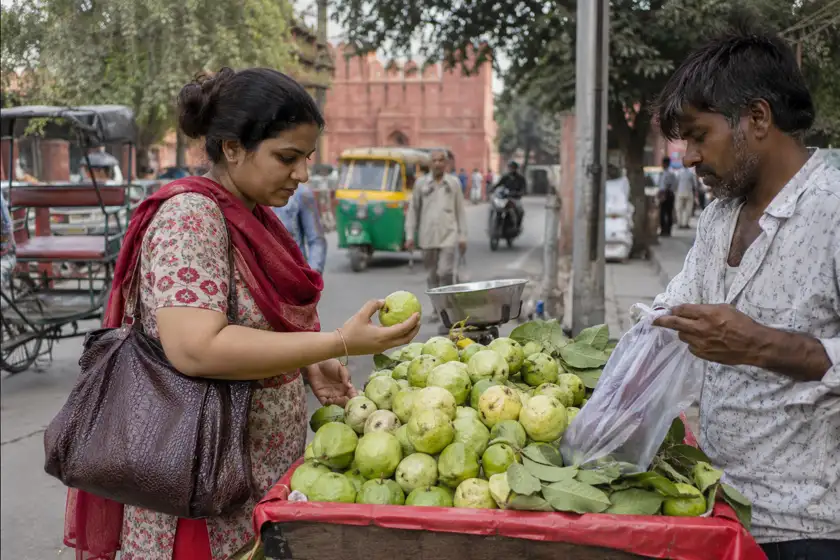
| Constipation | Low fluid, fibre and movement | 2 to 3 litres of fluid; papaya, guava, vegetables, whole dals; soaked chia or isabgol with water; daily walk |
| Loose stools | Dose change; rich or sweet food; sugar-free sweets | ORS, chaas, curd rice, banana, khichdi; avoid oily, spicy and very sweet foods for a day or two |
| Tiredness, dizziness | Eating or drinking too little; low salt | Three meals with protein and some whole-grain carbohydrate; fluids; salted chaas or nimbu pani; check iron and B12 |
| Hair shedding | Rapid loss, low protein or iron | Raise protein; test ferritin, B12, vitamin D; steady the pace |
| No appetite at all | Dose may be too high | Eat by the clock; use liquids and soft foods; tell your healthcare provider |
| Weight loss stalled | Plateau, or small extras adding up | Review liquid calories, snacks, alcohol and portion creep; keep protein and add strength training; discuss with your team |
| Sweet cravings returning | Low protein; long gaps; poor sleep | Protein at breakfast; planned evening snack; fruit with curd; earlier bedtime |
Foods to keep small
Nothing is forbidden for life, but these are best in small amounts and away from dose-change weeks:
- Deep-fried snacks: samosa, pakora, puri, vada, chips, namkeen
- Rich gravies with cream, butter or a great deal of oil
- Mithai, desserts, sweetened drinks, packaged juices
- Maida products: white bread, biscuits, naan, bakery items, noodles
- Large servings of rice, potatoes or roti without protein
- Fizzy drinks, which cause bloating
- Alcohol, which worsens nausea, reflux and dehydration
- Very spicy food if it triggers reflux
A worked example: reaching about 85 grams of protein on a vegetarian day
This shows how the numbers add up with ordinary food and small portions.
| Meal | What | Approximate protein |
|---|---|---|
| Breakfast | 2 moong chillas (11 g) with 50 g paneer filling (9 g) and 1 katori curd (7 g) | 27 g |
| Lunch | 1 katori chana (13 g), 1 roti (3 g), sabzi (2 g), 1 katori curd (7 g) | 25 g |
| Evening | 1 glass milk (8 g) and a handful of roasted chana (6 g) | 14 g |
| Dinner | 75 g paneer with vegetables (13 g) and 1 katori dal (8 g) | 21 g |
| Total | About 87 g |
If you cannot finish these portions, keep the paneer, chana, dal, curd and milk, and leave the roti. A scoop of protein powder in the evening milk adds a further 20 grams where needed.
Quick protein snacks and mini-meals
On higher doses, small eating occasions are often easier than full meals. Each of these takes a few minutes and provides roughly 10 to 20 grams of protein.
| Vegetarian | With egg or meat |
|---|---|
| Hung curd with fruit and a spoon of seeds | 2 boiled eggs with pepper and salt |
| Paneer cubes sautéed with capsicum | Egg bhurji in a small wrap |
| Sprouted moong chaat with lemon | Chicken tikka, 3 to 4 pieces |
| Besan chilla rolled with curd | Tuna or chicken salad with cucumber |
| A glass of milk with roasted chana | Chicken and vegetable soup |
| Soya chunk chaat | Omelette with vegetables |
| Thick dal soup with a squeeze of lemon | Grilled fish with lemon |
| Protein shake blended with banana and milk | Egg sandwich on whole wheat bread |
Preparing ahead for busy weeks
- Soak and pressure-cook a batch of chana or rajma on Sunday; refrigerate in portions.
- Keep chilla batter, boiled eggs, hung curd and cut vegetables ready in the fridge.
- Cook dal in larger quantities and freeze single servings.
- Marinate paneer or chicken in advance so that it can be grilled in minutes.
- Carry roasted chana and nuts in your bag, and a bottle of water.
- Plan your gentle-week menu before a dose increase, so that suitable food is in the house.

Fluids
Thirst is reduced on Mounjaro. Drink to a plan: a glass on waking, a bottle finished by lunch and another by evening. Water, chaas, nimbu pani with little sugar, coconut water, clear soups, dal water, jeera or saunf water and unsweetened herbal teas all count. Pale yellow urine means you are well hydrated. People with heart or kidney conditions who have been given a fluid limit should follow it.
A simple grocery list
| Category | Stock up on |
|---|---|
| Protein | Moong, masoor, toor, chana, rajma, lobia; paneer, tofu, soya chunks; curd, milk; eggs; chicken, fish; besan |
| Vegetables | Lauki, tori, bhindi, beans, cabbage, cauliflower, palak, methi, capsicum, carrots, tomatoes, cucumber |
| Fruit | Papaya, guava, apple, orange, pear, pomegranate, banana in small amounts |
| Whole grains | Whole wheat atta, bajra or jowar flour, oats, dalia, brown or hand-pounded rice, idli batter |
| Snacks | Roasted chana, peanuts, almonds, walnuts, makhana, khakhra |
| Fats | Mustard, groundnut or rice bran oil; a little ghee; flax, chia, pumpkin and sesame seeds |
| For difficult days | Ginger, jeera, saunf, lemon, ORS sachets, isabgol, plain toast or khakhra |
Eating out and special occasions
- Order a starter-sized portion or share a main dish.
- Choose tandoori, grilled or steamed items, dal, a vegetable dish and one roti.
- Eat the protein first, slowly, and stop early. Take the rest home.
- Skip the fizzy drink; have water or fresh lime soda without sugar.
- At weddings, look at the whole buffet first, pick three or four things, and sit away from the counters.
- If you want dessert, share a small portion after the meal.
- Do not schedule a feast in the three days after a dose increase.
Supplements
With reduced intake, deficiencies of iron, vitamin B12 and vitamin D are common and worth testing for. Your healthcare provider may recommend replacing those that are low, and sometimes a daily multivitamin. A protein supplement is useful if food alone does not meet your target. Fibre supplements such as isabgol help constipation when taken with plenty of water. Do not start high-dose supplements without advice.

Do not forget exercise
Diet protects muscle only in partnership with resistance exercise. Two or three sessions a week of simple strength work, such as sit-to-stands, wall push-ups, bridges and band rows, plus daily walking, make sure the protein you eat is used to maintain muscle.
If you have diabetes
The same plan suits most people with type 2 diabetes, with two cautions. If you take insulin or a sulfonylurea, eating much less can cause low blood sugar, so doses usually need reducing and sugars need checking more often. And carbohydrate should be spread evenly across meals rather than removed entirely. Keep glucose tablets or sugar with you, and ask your healthcare provider before making large changes.
Common mistakes
- Living on tea, biscuits and one meal. The scale falls, and so does your muscle.
- Cutting out all fat and carbohydrate. You need a little of both for energy, hormones and the gallbladder.
- Eating the roti first and having no room for the dal.
- Forgetting to drink.
- Relying on protein shakes in place of meals, and losing fibre and variety.
- Celebrating a dose increase with a restaurant meal.
- Returning to old portions on days when appetite is back.
- Not tracking anything. A three-day food record each month shows where the gaps are.
How The Prime Fit helps
At The Prime Fit, every patient on Mounjaro has a dietitian. Your plan is built around your own kitchen, region and routine, with a protein target for your weight, menus for each dose stage, and strategies for travel, festivals and eating out. We review you every week, adjust the plan when side effects appear, and work with your healthcare provider if your appetite is too low for the dose you are on.
To get a plan made for you, book a consultation or read about our GLP-1 support programme and Mounjaro treatment.
Frequently asked questions
What should I eat on Mounjaro?
Small, regular meals built around protein such as dal, paneer, curd, eggs, fish or chicken, with vegetables and a modest portion of whole grains. Keep fried and sugary foods small and drink 2 to 3 litres of fluid a day.
How much protein do I need on Mounjaro?
Many adults are advised about 1.0 to 1.5 grams per kilogram of body weight a day, spread over three meals. Your dietitian will set your target, and it will be lower if you have kidney disease.
Which foods should I avoid?
Nothing is banned, but deep-fried foods, rich gravies, sweets, fizzy drinks and alcohol are the commonest triggers of nausea and reflux, especially around dose increases.
Can I follow a vegetarian diet on Mounjaro?
Yes. Plan for protein at every meal from dals, pulses, paneer, curd, soya, tofu and milk, and consider a protein supplement if you cannot meet your target.
Can I eat rice?
Yes, in a small portion, after the protein and vegetables. Half a katori is usually enough.
What should I eat when I feel nauseous?
Small amounts of khichdi, curd rice, idli, toast, banana or clear soup, with ginger or jeera water sipped between meals. Avoid oil and large portions.
I am not hungry at all. Should I still eat?
Yes. Eat three small meals by the clock, and use liquids such as milk, chaas, dal soup or a protein shake. If you cannot manage, tell your healthcare provider; the dose may need adjusting.
How many calories should I eat?
It depends on your size and activity. Most people on treatment naturally eat less. Rather than counting closely, make sure each meal contains protein and vegetables, and let your dietitian check that your intake is adequate.
Can I drink tea and coffee?
Yes, in moderation, with little or no sugar. Avoid strong coffee on an empty stomach if you have acidity, and do not let tea replace meals or water.
Do I need supplements?
Possibly. Iron, vitamin B12 and vitamin D are often low and should be tested. A protein supplement helps if food alone is not enough. Take supplements on your healthcare provider’s advice.
This article is general information and is not a substitute for a consultation. Meal plans should be adjusted to your health, medicines and blood tests by a qualified dietitian and healthcare professional.