In this article
- What is “Ozempic teeth”?
- Do GLP-1 medicines damage teeth directly?
- How GLP-1 medicines can affect the mouth
- Why does dry mouth happen on GLP-1 medicines?
- Why does bad breath happen on GLP-1 medicines?
- Vomiting, reflux and enamel erosion
- How to protect your teeth and gums on GLP-1 treatment
- Indian foods and drinks: what helps and what harms
- Diabetes, gum disease and GLP-1 medicines
- Dental treatment while on GLP-1 medicines
- When to see a dentist or healthcare professional
- Common myths about “Ozempic teeth”
- Questions to ask your healthcare provider
- How The Prime Fit helps
- Frequently asked questions
“Ozempic teeth” is a phrase from social media. People taking GLP-1 medicines such as Ozempic, Wegovy and Mounjaro have used it to describe a dry mouth, bad breath, sensitive teeth, cavities or sore gums that they noticed after starting treatment. It is not a medical diagnosis, and tooth damage is not listed as a known direct effect of these medicines.
That does not mean the complaints are imaginary. Dry mouth and bad breath on GLP-1 medicines have plausible explanations: less saliva when you drink and eat less, acid reaching the mouth through reflux or vomiting, slower stomach emptying with burping, and changes in what and how often you eat. Each of these can affect teeth and gums indirectly if nothing is done about it.
The reassuring part is that the protective steps are simple and inexpensive. This guide explains what is known, what is still uncertain, and what to do. It is general information and does not replace advice from your own healthcare provider or dentist.
What is “Ozempic teeth”?
The term is used loosely for several different mouth problems reported by people on GLP-1 medicines:
- A dry, sticky mouth, especially at night or on waking
- Bad breath or an unpleasant taste
- Teeth that feel sensitive to hot, cold or sweet foods
- New cavities or worn, thin-looking enamel
- Sore, bleeding or receding gums
The name is misleading in two ways. First, the same complaints are described with Wegovy, Mounjaro and Rybelsus, not only Ozempic. Second, there is no evidence that the medicine attacks tooth enamel or gums. At present the idea rests mainly on individual reports and on what dentists know about dry mouth and acid, not on trials designed to study teeth.
Do GLP-1 medicines damage teeth directly?
There is no good evidence that they do. The large trials of semaglutide and tirzepatide did not identify tooth decay or gum disease as side effects, although those trials were not designed to examine teeth closely. Dedicated research on dental outcomes in people using these medicines is still limited.
What the trials did show clearly is that stomach and gut side effects are common: nausea, vomiting, reflux, burping, constipation and diarrhoea, particularly in the first months and after dose increases. Several of these have well-known effects on the mouth. So the most reasonable reading is that any dental harm is indirect and largely avoidable. Our complete guide to GLP-1 side effects covers the gut effects in detail.
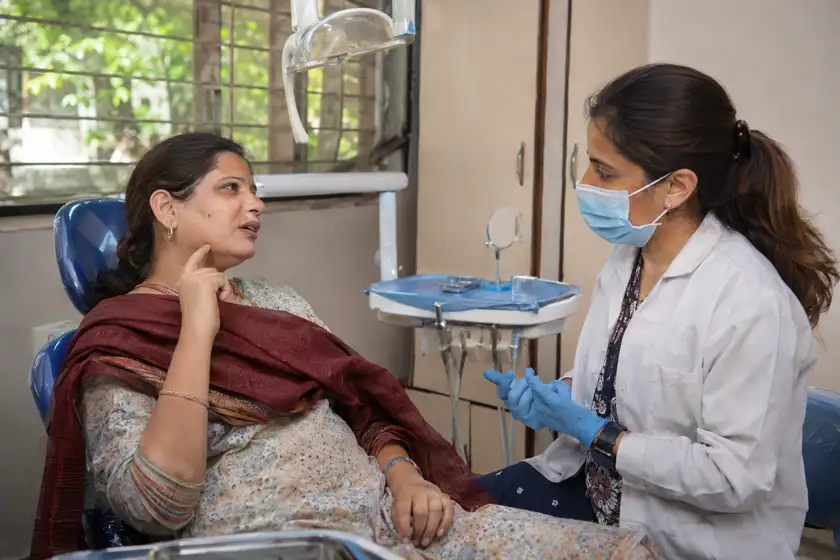
How GLP-1 medicines can affect the mouth
| Possible cause | What it does in the mouth | What helps |
|---|---|---|
| Drinking less because thirst and appetite are low | Less saliva, dry mouth, more plaque and odour | Planned sips of water through the day |
| Eating less, so less chewing | Chewing stimulates saliva, so fewer meals can mean a drier mouth | Sugar-free gum, crunchy vegetables if tolerated |
| Vomiting | Stomach acid softens and erodes enamel | Rinse, wait before brushing, tell your healthcare provider |
| Acid reflux and regurgitation | Repeated acid exposure, often at night, wearing the inner surfaces of teeth | Smaller, earlier dinners, reflux treatment if advised |
| Slow stomach emptying and burping | Bad breath, sometimes with a sulphur or “rotten egg” smell | Smaller, lower-fat meals, review of dose escalation |
| Very low food intake | The body burns more fat and produces ketones, which can give a fruity or nail-polish odour | Regular small meals with adequate protein and some carbohydrate |
| Frequent sipping of sweet or sour drinks to settle nausea | Sugar feeds decay-causing bacteria, acid softens enamel | Plain water as the default, sweet or sour drinks with meals only |
Why does dry mouth happen on GLP-1 medicines?
Saliva is the mouth’s main defence. It washes away food, neutralises acid, supplies minerals that repair early enamel damage, and keeps bacteria in check. When saliva falls, the risk of cavities, gum inflammation, fungal infection and bad breath rises.
On GLP-1 medicines, dry mouth is most often explained by lower fluid intake. People feel full, forget to drink, or avoid fluids because of nausea. Vomiting and diarrhoea add to fluid loss. Whether the medicines also reduce saliva production directly is not established.
It is also worth checking for other causes, because dry mouth is very common:
- Other medicines: many antihistamines, some antidepressants, some blood pressure medicines, water tablets and certain bladder medicines reduce saliva.
- Diabetes: high blood sugar itself causes thirst and a dry mouth.
- Mouth breathing and snoring, including sleep apnoea.
- Tobacco, alcohol and a lot of tea or coffee.
Why does bad breath happen on GLP-1 medicines?
Bad breath on GLP-1 medicines usually has more than one source. The type of smell can offer a clue, though it is never a diagnosis by itself.
| What you notice | Likely explanation | What to do |
|---|---|---|
| Stale, “morning” breath through the day | Dry mouth and plaque on the tongue | Hydrate, clean the tongue, brush twice daily, floss |
| Sour taste, burning in the chest or throat | Acid reflux | Smaller meals, do not lie down for 2 to 3 hours after eating, discuss treatment with your healthcare provider |
| Sulphur or “rotten egg” burps | Food staying longer in the stomach | Smaller, lower-fat meals, less fried and very rich food, tell your healthcare provider if persistent |
| Fruity or nail-polish smell | Ketones from very low food intake. In people with diabetes this can occasionally signal a dangerous build-up of ketones | Eat regular small meals. If you have diabetes and also feel unwell, see the warning signs below |
| Foul smell with bleeding gums or a bad tooth | Gum disease, decay or a dental infection | See a dentist |
Burping is a recognised side effect of both semaglutide and tirzepatide, and some people on semaglutide report a changed sense of taste. These tend to be worst after dose increases and often ease with time. See our guide to acidity, bloating and constipation food fixes.

Vomiting, reflux and enamel erosion
Stomach acid is far stronger than anything in food. Each episode of vomiting or regurgitation bathes the teeth in acid and temporarily softens the enamel surface. Occasional episodes are unlikely to matter. Repeated episodes over months can thin the enamel, typically on the inner surfaces of the upper front teeth, leading to sensitivity, a yellowish look as the layer beneath shows through, and chipped edges. Enamel does not grow back.
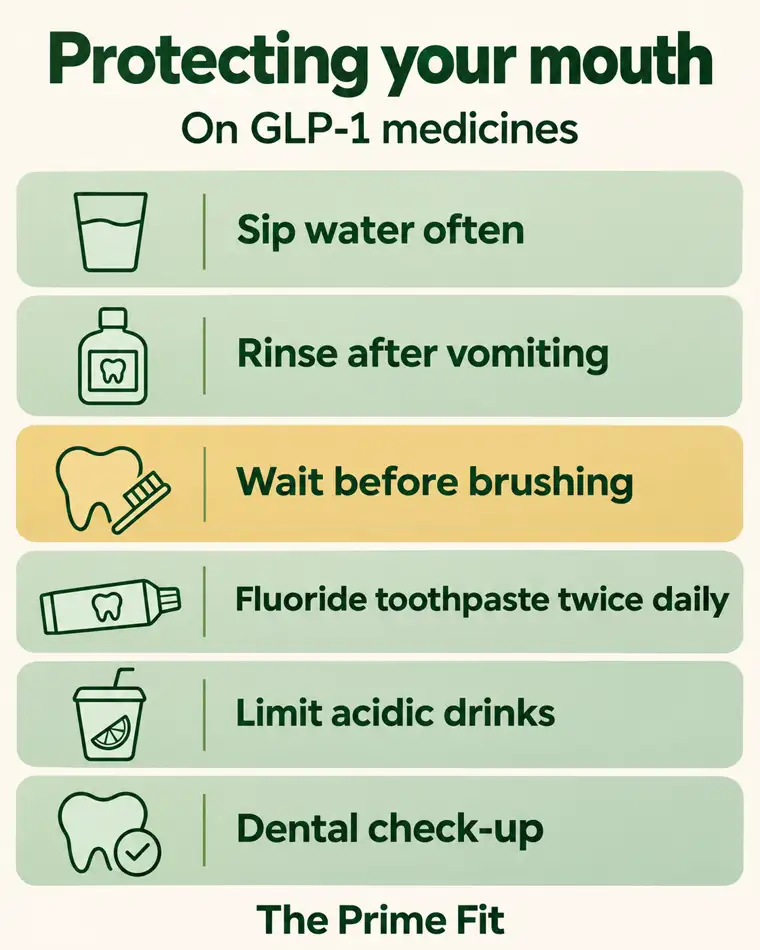
After vomiting or a reflux episode
Do not brush straight away, because brushing softened enamel wears it faster. Rinse your mouth with plain water, or with a teaspoon of baking soda dissolved in a glass of water, and spit it out. A fluoride mouthwash is another option. Wait at least 30 to 60 minutes before brushing.
Frequent vomiting on a GLP-1 medicine is not something to put up with. It usually means the dose is rising too quickly for you, or meals are too large or too rich. Tell your prescriber. Slowing the dose escalation, as described in our Mounjaro dosage guide often solves the problem.
How to protect your teeth and gums on GLP-1 treatment
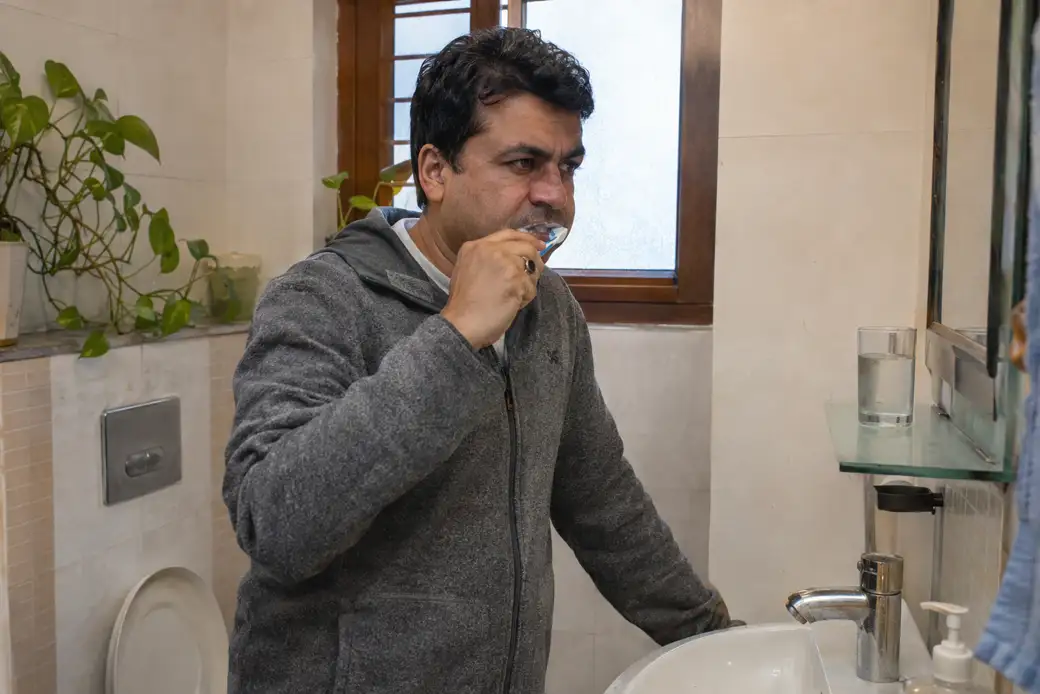
- Brush twice a day with fluoride toothpaste, for two minutes, using a soft brush. Spit out the foam but do not rinse with water afterwards, so the fluoride stays on the teeth.
- Clean between the teeth daily with floss or interdental brushes.
- Clean your tongue. A tongue cleaner, already a habit in many Indian homes, removes the coating that causes much of the odour.
- Set a fluid target with your healthcare provider and sip through the day. Many adults do well with around 2 to 2.5 litres unless a heart or kidney condition means fluids are restricted.
- Chew sugar-free gum after meals to stimulate saliva. Gum sweetened with xylitol is a common choice.
- Keep sweet and acidic drinks to mealtimes. Nimbu pani, cola, packaged juice, kanji and sweet chai sipped slowly through the day keep teeth under constant attack.
- Have a dental check-up before or soon after starting treatment, then as often as your dentist advises. Mention your medicine.
- Avoid tobacco in every form, including gutka, khaini and paan with tobacco. These dry the mouth, damage gums and raise the risk of oral cancer.
- Limit alcohol, which dries the mouth and worsens reflux. See GLP-1 injections and alcohol.
If dry mouth persists, a dentist may suggest a saliva substitute gel or spray, a high-fluoride toothpaste or a professional fluoride application.
Indian foods and drinks: what helps and what harms
Small choices through the day make a difference, and they do not depend on whether you are vegetarian or not.
- Helpful for everyone: plain water, unsweetened chaas, plain curd, paneer, milk, and crunchy vegetables such as cucumber and carrot. Dairy supplies calcium and helps neutralise acid after a meal.
- Vegetarian protein that is kind to teeth: dal, moong chilla, paneer bhurji, tofu, curd and sprouts with a meal.
- Non-vegetarian options: eggs, grilled or curried fish and chicken. These are not sticky and contain no sugar.
- After meals: plain saunf or a clove can freshen breath. Avoid sugar-coated saunf, mishri mixes and sweet supari.
- Go easy on: sweet chai many times a day, biscuits and rusk between meals, mithai, sticky dried fruit, toffees for nausea, sour candy, lemon or vinegar “detox” shots, and fizzy drinks.
- For nausea: sips of cold water, a little ginger, or dry toast are gentler on teeth than sucking lemon or sweets.
- During fasts such as Navratri, Ramadan or Karva Chauth, long hours without fluid dry the mouth further. Brush and clean the tongue after sehri or the pre-fast meal, and rehydrate steadily once the fast opens.
If you drink something acidic, have it in one go with a meal, use a straw where practical, and rinse with water afterwards.
Diabetes, gum disease and GLP-1 medicines
Many people on Ozempic or Mounjaro have type 2 diabetes, and diabetes is itself a major risk factor for gum disease, dry mouth, oral thrush and slow healing. The link runs both ways: poorly controlled blood sugar worsens gum disease, and severe gum disease makes blood sugar harder to control.
This means some mouth problems blamed on the medicine may have been developing for years. It also means that better glucose control and weight loss could, in principle, be good for the gums. Early research has explored whether GLP-1 medicines affect gum inflammation, but this is not established, and it is not a reason to relax on brushing. If you have diabetes, a dental review at least once a year is sensible. Read more in GLP-1 medicines in India: a patient’s guide.
Dental treatment while on GLP-1 medicines
Routine dental care, including cleaning, fillings, root canal treatment and extractions under local anaesthetic, does not normally require stopping a GLP-1 medicine. Always tell your dentist what you take.
The situation is different for procedures under sedation or general anaesthesia. Because these medicines slow stomach emptying, food may remain in the stomach longer than expected, which raises the risk of it entering the lungs during sedation. Your dentist, anaesthetist and prescriber should agree a plan in advance. Do not stop or skip doses on your own. Details are in GLP-1 medicines before surgery, anaesthesia or endoscopy.
When to see a dentist or healthcare professional
Book a routine dental appointment if you have a dry mouth lasting more than two weeks despite drinking well, new sensitivity, bleeding gums, a persistent bad taste, white patches, or a mouth ulcer that has not healed in two to three weeks. Tell your prescriber if you vomit more than occasionally, have regular reflux, or struggle to drink enough.
Seek urgent medical care
Go to an emergency department or contact your healthcare provider urgently if you have: severe, persistent pain in the upper abdomen, with or without vomiting, which may spread to the back; vomiting that stops you keeping fluids down for 24 hours; signs of dehydration such as very little dark urine, dizziness or confusion; a fruity breath smell together with vomiting, abdominal pain, fast breathing or drowsiness, particularly if you have diabetes or take insulin; swelling of the face, jaw or neck, fever with dental pain, or difficulty swallowing, breathing or opening your mouth.

Common myths about “Ozempic teeth”
- “The medicine dissolves your teeth.” There is no evidence for this. Acid from vomiting and reflux, and a dry mouth, are the likely culprits when damage occurs.
- “Everyone on a GLP-1 gets it.” Most people do not report dental problems. Risk is higher with frequent vomiting, low fluid intake, poor oral hygiene, tobacco use and uncontrolled diabetes.
- “Brush immediately after vomiting to clean the acid off.” This scrubs softened enamel away. Rinse first and wait.
- “Mouthwash will cure the bad breath.” It masks odour briefly. The fix lies in saliva, tongue cleaning, treating reflux and treating gum disease.
- “Lemon water or apple cider vinegar freshens the mouth.” Both are acidic and, sipped often, wear enamel.
- “Bad breath means I should stop the injection.” It usually means hydration, meal size or dose pace needs adjusting. Speak to your prescriber before stopping.
Questions to ask your healthcare provider
- Could any of my other medicines be adding to my dry mouth?
- How much fluid should I drink each day given my heart and kidney health?
- I am vomiting or have reflux regularly. Should my dose increase be slowed or paused?
- Do I need treatment for acid reflux?
- Is my blood sugar control good enough to protect my gums?
- I have a dental procedure with sedation planned. What should I do about my doses?
And for your dentist: Do you see signs of acid erosion? Do I need a higher-strength fluoride product? How often should I come for cleaning and review?
How The Prime Fit helps
At The Prime Fit, treatment with GLP-1 medicines begins with a medical assessment that includes your existing conditions and the other medicines you take, so that contributors to dry mouth, reflux or dehydration can be spotted early. Dose increases are paced according to how you tolerate them, since persistent vomiting is a reason to adjust the plan, not something to endure.
Nutrition support through our GLP-1 support programme focuses on fluids, protein and meal patterns that reduce nausea and reflux. At follow-up visits we ask about side effects, including those in the mouth, and advise a dental review when it is needed. We do not provide dental treatment, and we cannot guarantee that side effects will not occur.
Frequently asked questions
Is “Ozempic teeth” a real medical condition?
No. It is a social media term for dry mouth, bad breath, sensitivity, decay or gum problems noticed by some people on GLP-1 medicines. Tooth damage is not a listed direct effect of these medicines, but indirect effects through dry mouth, reflux and vomiting are plausible.
Does Mounjaro or Wegovy cause dry mouth?
Some people report it. The most likely reason is drinking less because thirst and appetite are reduced, sometimes with fluid loss from vomiting or diarrhoea. Other medicines, diabetes and mouth breathing are also common causes and should be checked.
Why does my breath smell on a GLP-1 medicine?
Common reasons are dry mouth, acid reflux, burping linked to slower stomach emptying, and ketones produced when food intake is very low. Gum disease and tooth decay are also frequent causes that have nothing to do with the medicine.
Should I brush my teeth straight after vomiting?
No. Rinse with water or a baking soda solution, spit, and wait at least 30 to 60 minutes before brushing, because enamel is softened by acid and brushes away more easily.
Will my teeth recover if I stop the medicine?
Dry mouth and bad breath usually improve once the cause is addressed, whether or not the medicine is continued. Lost enamel and cavities do not reverse and need dental treatment, which is why prevention matters.
Can I have dental treatment while on Ozempic, Wegovy or Mounjaro?
Yes for routine treatment under local anaesthetic. If sedation or general anaesthesia is planned, tell the dental team and your prescriber well in advance, because slower stomach emptying affects fasting instructions.
Is a fruity breath smell dangerous?
A mild fruity smell can occur when you are eating very little. If you have diabetes, especially if you use insulin, and it comes with vomiting, abdominal pain, fast breathing or drowsiness, seek urgent medical care.
What is the best drink for a dry mouth on GLP-1 treatment?
Plain water, sipped regularly. Unsweetened chaas or milk are reasonable with meals. Avoid sipping sweet, fizzy or sour drinks through the day, as these raise the risk of decay and erosion.
This article is for general education and does not replace advice from your own healthcare provider or dentist. Do not start, stop or change the dose of any medicine on the basis of this article. If you have severe or persistent symptoms, seek medical or dental care promptly. Individual responses to treatment vary.