In this article
- Why PCOS makes weight loss harder
- The five principles of a PCOS-friendly diet
- Foods to eat more often
- Foods to limit, and what to have instead
- The PCOS plate: an easy portion guide
- 7-day Indian PCOS meal plan
- Smart swaps for Indian kitchens
- Beyond food: four habits that make the diet work
- Supplements and medicines: what to know
- How much weight can you expect to lose?
- How The Prime Fit helps women with PCOS
- Frequently asked questions
If you have polycystic ovary syndrome (PCOS) and feel that weight goes on easily and comes off slowly, you are not imagining it. PCOS changes how the body handles insulin, hunger and fat storage. The good news is that food is one of the most effective tools you have, and it does not need to be expensive, imported or complicated. Dal, sabzi, roti, curd, eggs, paneer and seasonal fruit can do the job when they are put together the right way.
This guide explains why PCOS makes weight loss harder, the eating principles that have the best evidence behind them, and a practical seven-day Indian meal plan with vegetarian and non-vegetarian options. It is general information to help you get started. Your own plan should be adjusted to your blood tests, medicines, cycle and routine, which is exactly what a dietitian-led programme does.
Why PCOS makes weight loss harder
PCOS is a hormonal condition that affects roughly one in ten women of reproductive age. Its common signs are irregular or missed periods, acne, excess facial or body hair, thinning scalp hair, and difficulty losing weight, especially around the waist. Not every woman has every symptom, and women of any body size can have PCOS.
The link between PCOS and weight runs through insulin. A majority of women with PCOS have some degree of insulin resistance, which means the body needs to release more insulin than usual to keep blood sugar in range. Higher insulin levels do three unhelpful things at once:
- They encourage fat storage particularly around the abdomen.
- They push the ovaries to make more androgens (male-type hormones), which worsens acne, hair growth and irregular cycles.
- They increase hunger and cravings especially for sweet and starchy food, a few hours after a high-carbohydrate meal.
This is why the classic advice to “just eat less and move more” often fails. A PCOS diet works best when it is built to keep insulin steady, not only to cut calories.
The encouraging part
You do not need to reach an “ideal” weight to feel better. Losing about 5 to 10 percent of body weight is often enough to improve cycle regularity, ovulation, insulin levels and energy. For someone who weighs 80 kg, that is 4 to 8 kg.
The five principles of a PCOS-friendly diet
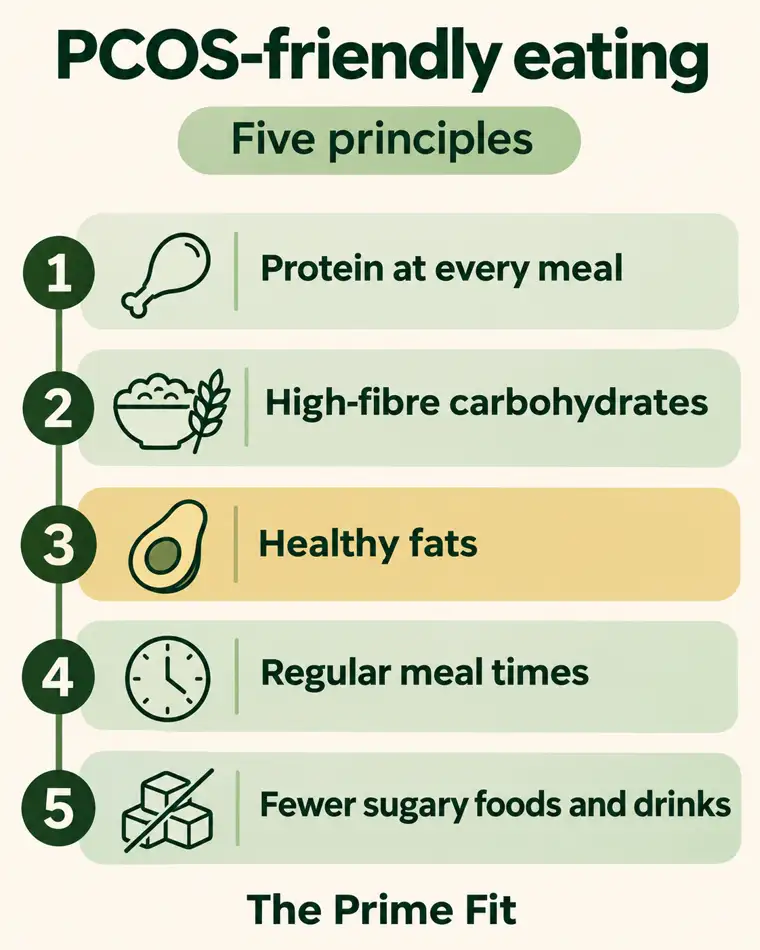
There is no single branded “PCOS diet” that has been proven better than all others. International PCOS guidelines recommend a balanced, sustainable eating pattern that you can keep up for years. In practice, five principles do most of the work.
1. Choose slow carbohydrates, and watch the portion
Carbohydrates are not the enemy, but the type and amount matter. Refined carbohydrates such as white bread, maida snacks, sugary drinks and large portions of polished rice raise blood sugar quickly, which triggers a large insulin response. Whole and high-fibre carbohydrates are digested more slowly.
- Prefer whole wheat or multigrain roti, millets such as jowar, bajra and ragi, brown or hand-pounded rice, oats, and whole dals with their skin.
- Keep the grain portion to roughly a quarter of your plate at main meals: for most women that is one to two medium rotis or about one small katori of cooked rice.
- Do not eat carbohydrates alone. Pair them with protein and vegetables, which slows digestion further.
2. Include protein at every meal
Protein keeps you full, protects muscle while you lose fat, and blunts the blood-sugar rise from a meal. Many Indian diets are low in protein, especially vegetarian ones built around roti and rice. Aim for a clear protein food at each meal and snack:
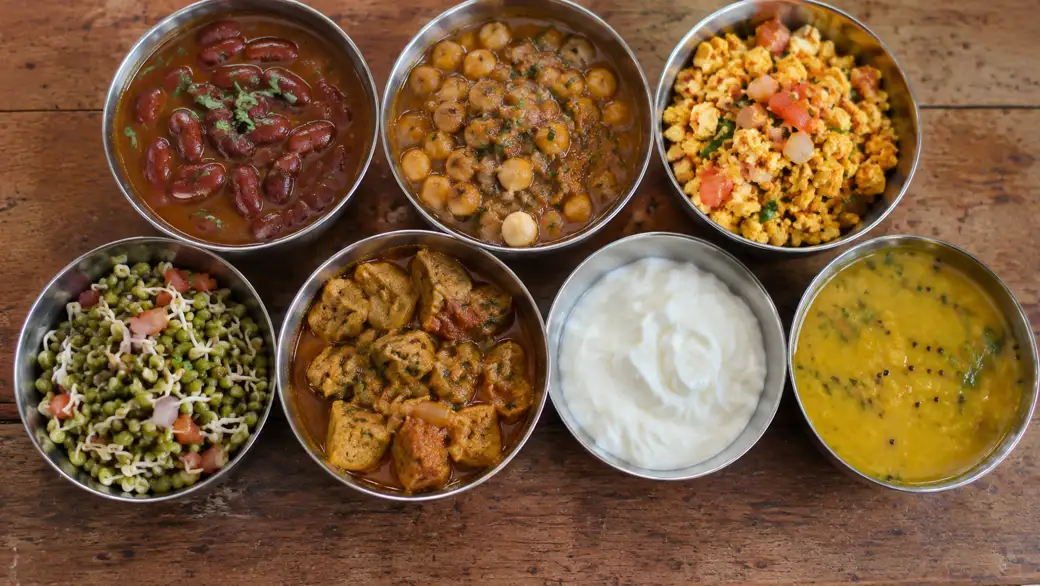
- Vegetarian: dal, chana, rajma, lobia, sprouts, paneer, tofu, soya chunks, curd, Greek-style hung curd, milk, besan.
- Non-vegetarian: eggs, chicken, fish, and lean cuts of meat, cooked with little oil.
3. Fill half the plate with vegetables
Non-starchy vegetables add fibre and volume for very few calories. Fibre slows glucose absorption and feeds helpful gut bacteria. Lauki, tori, bhindi, cabbage, cauliflower, beans, spinach, methi, capsicum, carrots, cucumber and tomatoes are all good choices. Potatoes, arbi and sweet corn count as starchy foods, so treat them as part of the carbohydrate portion.
4. Use healthy fats in sensible amounts
Fat does not raise insulin, and some fat makes meals satisfying. The aim is quality and quantity. Use mustard, groundnut, rice bran or olive oil, rotate oils if you like, and keep total cooking oil to about three to four teaspoons a day per person. A small handful of nuts or a tablespoon of seeds such as flax, chia or pumpkin makes a useful snack. Limit deep-fried food, bakery items and packaged namkeen, which combine refined flour with poor-quality fat.
5. Eat on a rhythm that controls hunger
Long gaps followed by very large meals lead to bigger blood-sugar swings. Most women with PCOS do well on three balanced meals with one or two planned snacks, and an early, lighter dinner. If you prefer fewer meals or time-restricted eating, it can work too, as long as the meals remain balanced and you are not on medicines that could cause low blood sugar. Discuss fasting with your healthcare provider first.
Foods to eat more often
| Food group | Best choices | Why it helps |
|---|---|---|
| Whole grains and millets | Whole wheat roti, jowar, bajra, ragi, oats, brown rice, dalia | More fibre, slower rise in blood sugar |
| Pulses and legumes | Moong, masoor, chana, rajma, lobia, sprouts | Protein plus fibre in one food |
| Vegetables | Leafy greens, gourds, beans, cabbage, cauliflower, bhindi, salad vegetables | Volume and fibre for very few calories |
| Protein foods | Paneer, tofu, curd, eggs, fish, chicken, soya | Fullness and muscle protection |
| Fruit | Guava, apple, pear, orange, papaya, berries, pomegranate | Fibre and micronutrients; eat whole, not as juice |
| Nuts and seeds | Almonds, walnuts, peanuts, flaxseed, chia, pumpkin seeds | Healthy fats that steady appetite |
| Spices and extras | Cinnamon, methi seeds, turmeric, ginger, garlic | Flavour without sugar; a helpful addition, not a cure |
Foods to limit, and what to have instead
You do not need to ban foods for life. Total restriction usually ends in a binge. Think in terms of “less often” and “smaller portion”, and use simple swaps.
| Limit | Why | Try instead |
|---|---|---|
| Sugary drinks, packaged juice, sweetened lassi | Liquid sugar raises insulin fastest | Water, chaas, nimbu pani without sugar, whole fruit |
| Maida foods: white bread, biscuits, naan, bakery items | Refined flour with little fibre | Whole wheat roti, besan chilla, oats |
| Large plates of white rice | High glycaemic load in one sitting | One small katori with dal and sabzi, or millet khichdi |
| Deep-fried snacks and namkeen | Refined starch plus excess oil | Roasted chana, makhana, sprouts chaat |
| Mithai and desserts | Concentrated sugar and fat | A small portion on occasions, after a meal, not on an empty stomach |
| Sweetened breakfast cereals and flavoured yoghurt | Hidden added sugar | Plain oats, plain curd with fruit and seeds |
Do you need to cut dairy or gluten?
There is no good evidence that every woman with PCOS must avoid dairy or gluten. Curd, milk and paneer are valuable protein sources in Indian diets. If a particular food clearly upsets you, discuss it with your dietitian rather than removing whole food groups on your own.

The PCOS plate: an easy portion guide
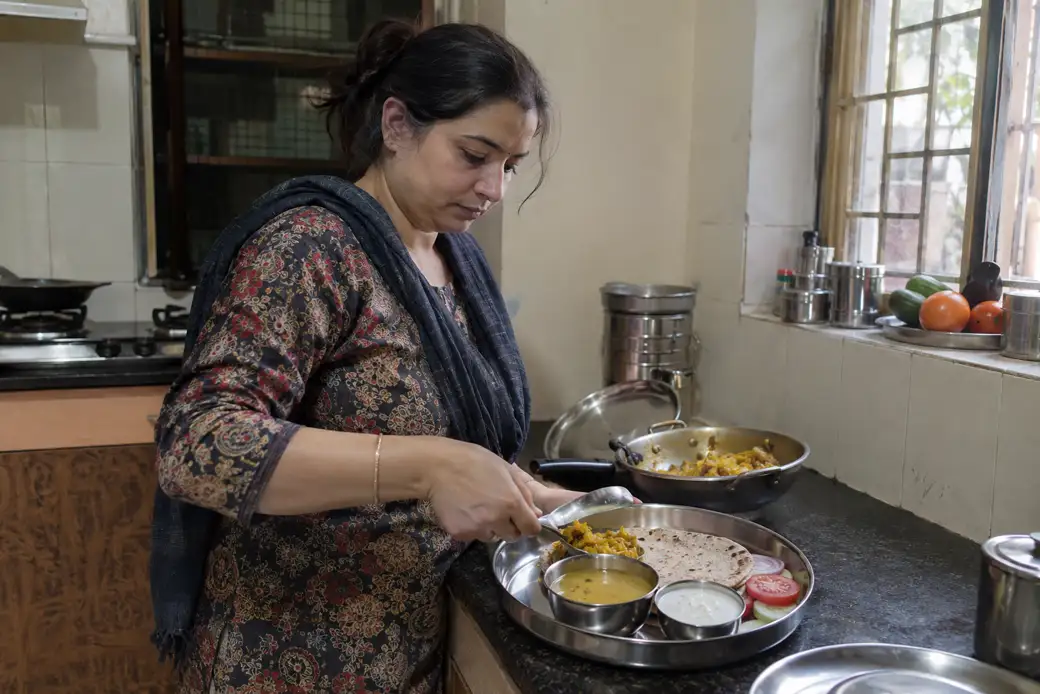
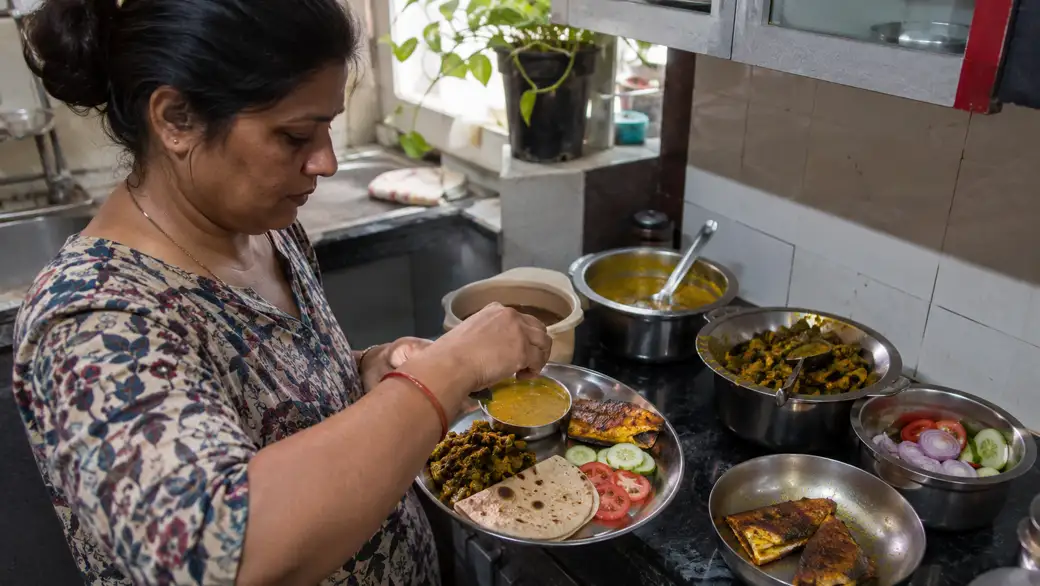
You do not need to weigh food. Use your plate as the measure at lunch and dinner:
- Half the plate: non-starchy vegetables, cooked sabzi plus salad.
- A quarter of the plate: protein, such as dal, paneer, curd, eggs, fish or chicken.
- A quarter of the plate: whole-grain carbohydrate, one to two rotis or a small katori of rice.
- On the side: a small katori of curd or a glass of chaas, and water.
A simple habit that helps many women: start the meal with salad or vegetables, then eat the protein, and have the roti or rice last. Eating in this order tends to produce a gentler rise in blood sugar than eating the carbohydrate first.
7-day Indian PCOS meal plan
This sample plan provides balanced meals for an average adult woman aiming for gradual weight loss. Portions should be adjusted to your height, weight, activity and medical advice. Each day includes a vegetarian option and a non-vegetarian alternative where relevant. Drink water through the day and keep tea or coffee to two cups, with little or no sugar.
| Day | Breakfast | Lunch | Evening snack | Dinner |
|---|---|---|---|---|
| Monday | 2 besan chillas with vegetables and mint chutney, 1 small bowl curd | 1 to 2 multigrain rotis, 1 katori moong dal, lauki sabzi, salad | Roasted chana (a handful) and green tea | Paneer bhurji with sautéed vegetables and 1 roti. Non-veg: egg bhurji (2 eggs) |
| Tuesday | Vegetable oats upma with peanuts, 1 boiled egg or a glass of milk | 1 small katori brown rice, rajma, cabbage sabzi, cucumber raita | 1 guava or apple with 5 to 6 almonds | Mixed vegetable soup and grilled tofu or grilled chicken with stir-fried beans |
| Wednesday | Moong dal chilla stuffed with paneer, green chutney | 2 jowar rotis, chana masala, bhindi sabzi, salad | Sprouts chaat with lemon and onion | Fish curry (or soya chunk curry) with 1 small katori rice and sautéed spinach |
| Thursday | Vegetable poha with peanuts and a bowl of curd | Vegetable dalia khichdi with moong dal, kadhi, salad | Plain makhana roasted in a little ghee, chaas | 1 to 2 rotis, palak paneer or palak chicken, carrot-cucumber salad |
| Friday | Ragi dosa or ragi idli with sambar and coconut chutney | 1 to 2 rotis, masoor dal, tori or tinda sabzi, curd | 1 orange or papaya bowl with pumpkin seeds | Egg curry (2 eggs) or lobia curry with 1 roti and stir-fried cabbage |
| Saturday | 2-egg vegetable omelette with 1 slice whole wheat toast, or paneer sandwich on multigrain bread | Small katori rice, sambar with vegetables, beans poriyal, curd | Roasted peanuts (a handful) and lemon water | Grilled paneer or chicken tikka with a large salad and mint chutney |
| Sunday | Vegetable stuffed paratha (little oil) with curd | Family meal: fill half the plate with salad and sabzi first, then 1 serving of the main dish | Fruit with a spoon of mixed seeds | Light dinner: moong dal soup with sautéed vegetables |
Mid-morning, if you are hungry, add a fruit, a glass of chaas or a small handful of nuts. At bedtime, a cup of warm milk without sugar is fine if it suits you.
Smart swaps for Indian kitchens
Small changes repeated daily matter more than a perfect week. These swaps keep the food familiar while lowering the glycaemic load and raising protein.
- Breakfast: replace sugary cereal or plain white bread with besan chilla, moong chilla, vegetable oats or eggs.
- Roti: mix whole wheat atta with besan, jowar or ragi flour. Two medium rotis are usually enough at a meal.
- Rice: serve rice after the vegetables and dal are on the plate, and keep it to one small katori. Cooling and reheating cooked rice slightly increases resistant starch, but portion still matters more.
- Snacks: keep roasted chana, makhana, peanuts and fruit within reach so that biscuits and namkeen are not the easy option.
- Tea time: reduce sugar gradually, half a teaspoon less every week, until you no longer need it.
- Eating out: choose tandoori or grilled starters, dal, a vegetable dish and one roti. Skip the sweet drink and share dessert.
Beyond food: four habits that make the diet work
Movement, especially strength training
Muscle is the body’s largest store for glucose, so building and using muscle improves insulin sensitivity directly. Guidelines suggest at least 150 minutes of moderate activity a week, such as brisk walking, plus muscle-strengthening exercise on two days. If you are new to exercise, start with a 10-minute walk after meals. A short walk after eating noticeably reduces the post-meal rise in blood sugar.
Sleep
Short or irregular sleep increases hunger hormones and insulin resistance. Aim for seven to eight hours, and try to keep a regular bedtime. Sleep apnoea is more common in women with PCOS, so mention loud snoring or daytime sleepiness to your healthcare provider.
Stress
Long-term stress raises cortisol, which encourages abdominal fat and emotional eating. Yoga, breathing exercises, walking outdoors or simply protecting some quiet time in the day can make the eating plan much easier to follow.
Consistency over perfection
One wedding dinner will not undo your progress, and one perfect day will not fix PCOS. What matters is what you do on most days. If a meal goes off-plan, return to your normal pattern at the next meal rather than skipping food to compensate.
Supplements and medicines: what to know
Supplements are heavily marketed to women with PCOS, so it helps to know where the evidence stands.
- Vitamin D and vitamin B12: deficiencies are common in India, including among women with PCOS. They are worth testing and correcting if low.
- Inositol: some studies suggest benefits for cycle regularity and insulin, but the evidence is limited and mixed. It is not a replacement for diet, activity or prescribed treatment.
- Metformin: a prescription medicine that improves insulin sensitivity. It can help some women with PCOS, particularly with insulin resistance or prediabetes. Only a healthcare professional should start or adjust it.
- GLP-1 medicines: for women with a higher BMI who have not responded to lifestyle changes alone, a healthcare professional may consider newer weight-management medicines. They are not suitable during pregnancy or when trying to conceive, and they require medical supervision.
When to see a healthcare professional
Please seek medical advice if your periods are absent for three months or more, if you are trying to conceive, if you have very heavy bleeding, sudden worsening of hair growth, or symptoms of high blood sugar such as excessive thirst and frequent urination. Do not start or stop any medicine on the basis of an article.
How much weight can you expect to lose?
With a consistent plan, a realistic pace for most women with PCOS is about 0.25 to 0.5 kg a week, or roughly 1 to 2 kg a month. Progress is rarely a straight line. Weight can rise by a kilo or more before a period because of water retention, so compare the same week of your cycle from month to month rather than day to day.
Also track signs that do not show on the scale: a smaller waist measurement, more regular cycles, clearer skin, steadier energy in the afternoon and fewer cravings. These often improve before the number on the scale moves much.
If you have followed a balanced plan for eight to twelve weeks with no change, it is time for a review. Thyroid problems, raised prolactin, certain medicines and severe insulin resistance can all slow progress, and they are identified through blood tests rather than guesswork.
How The Prime Fit helps women with PCOS
A meal plan from the internet is a starting point. A programme built around you goes further. At The Prime Fit, a PCOS plan begins with an assessment of your history, cycle, measurements and blood tests. Your dietitian then designs meals around your kitchen, your work hours and your family’s food, and reviews progress with you every week. Where a medical question arises, such as insulin resistance, thyroid levels or whether medicine has a role, a healthcare professional is part of the same care team.
If you would like a plan made for you, you can book a consultation or read more about our PCOS & PCOD weight loss programme.
Frequently asked questions
What is the best diet for PCOS weight loss?
There is no single best diet. The most reliable approach is a balanced plan with high-fibre, slowly digested carbohydrates in controlled portions, protein at every meal, plenty of vegetables and limited sugar and refined flour. The best diet is one you can follow for years, not weeks.
Can I eat rice if I have PCOS?
Yes. Keep the portion to about one small katori, eat it with dal and vegetables rather than on its own, and choose brown or hand-pounded rice when you can. Portion and pairing matter more than giving rice up completely.
Which fruits are good for PCOS?
Whole fruits with fibre are good choices: guava, apple, pear, orange, papaya, berries and pomegranate. Have one serving at a time, ideally with nuts or curd, and avoid fruit juice, which removes the fibre and concentrates the sugar.
Should I avoid milk and dairy with PCOS?
Not unless it clearly causes you problems. There is no strong evidence that all women with PCOS need to avoid dairy. Curd, milk and paneer are useful sources of protein and calcium. Choose plain, unsweetened versions.
Is intermittent fasting good for PCOS?
Some women find time-restricted eating helpful, but it is not better than a balanced diet with the same calories, and very long fasts can backfire with overeating later. If you take metformin or other medicines, check with your healthcare provider before trying fasting.
How long does it take to lose weight with PCOS?
Expect about 1 to 2 kg a month with a consistent plan. Many women notice better energy, fewer cravings and more regular cycles within two to three months, sometimes before large changes on the scale.
Can PCOS be cured with diet?
PCOS cannot be permanently cured, but its symptoms can be controlled very well. For many women, modest weight loss through diet and activity restores regular periods and improves insulin levels, skin and fertility.
Do I need to follow a keto or very low-carb diet?
No. Very low-carbohydrate diets can produce quick early weight loss, but they are hard to sustain with Indian food and have not been shown to be better in the long term. Moderate carbohydrate with good quality and portion control works well and is easier to keep up.
This article is general information and is not a substitute for a consultation. Diet and treatment should be adjusted to your health, tests and medicines by a qualified professional.