In this article
- What is fatty liver?
- What causes fat to build up in the liver?
- How much weight loss reduces liver fat?
- The principles of a fatty liver diet plan
- Foods to eat and foods to limit
- 7-day Indian meal plan for fatty liver (veg and non-veg)
- Is coffee good for fatty liver?
- Alcohol and fatty liver
- Exercise: it helps even before the scale moves
- Supplements and “liver detox” products
- When diet is not enough: medical options
- Common myths about fatty liver
- When to see a healthcare professional, and warning signs
- Questions to ask your healthcare provider
- How The Prime Fit helps
- Frequently asked questions
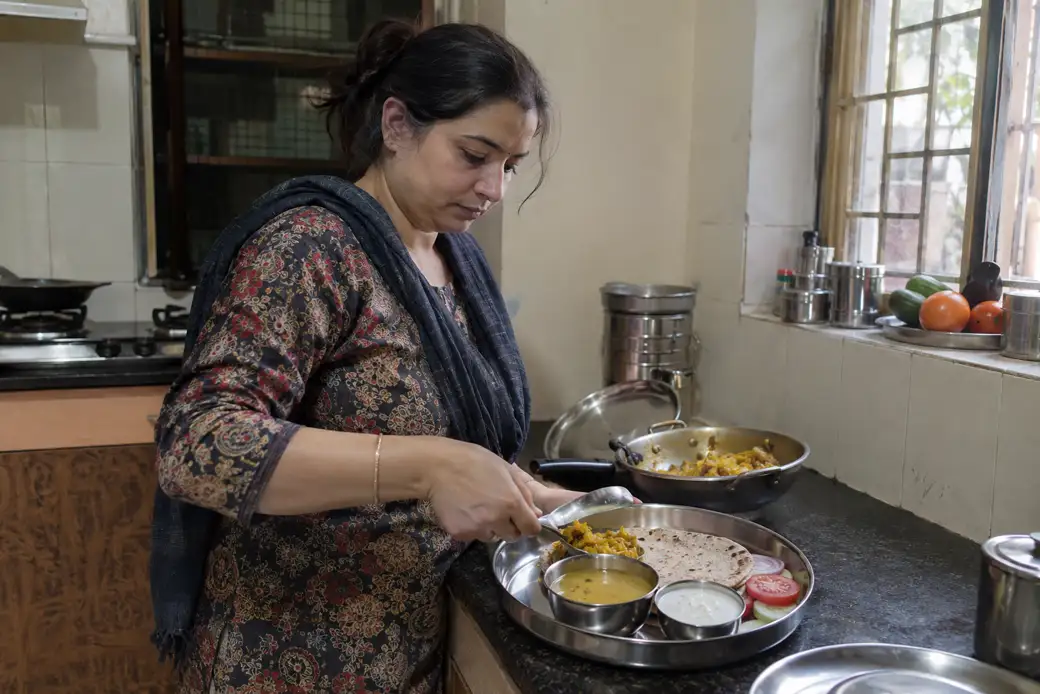
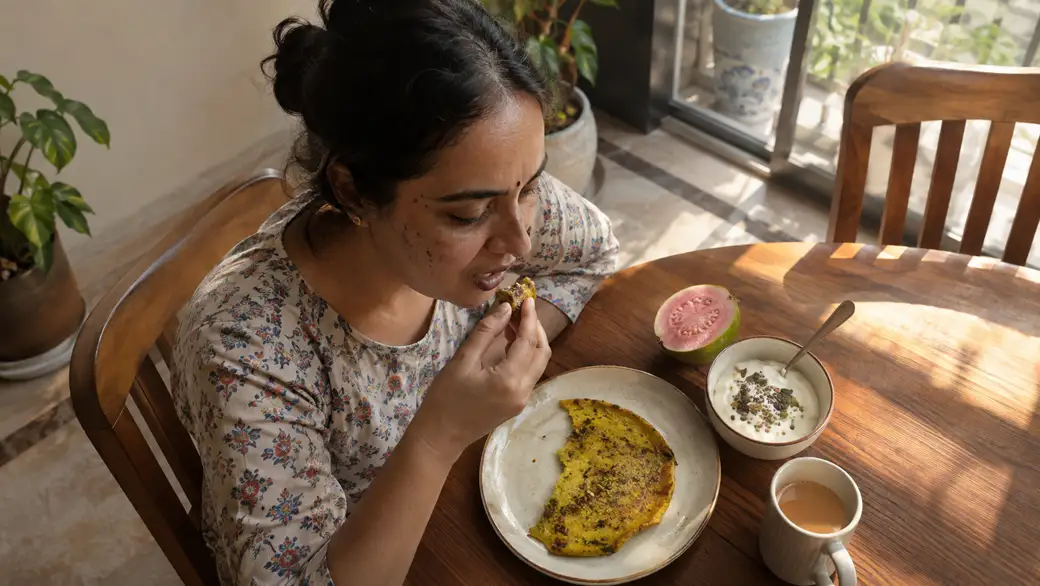
A fatty liver diet plan has one main job: to help you lose a moderate amount of weight and cut the foods that drive fat into the liver, chiefly sugar, refined starch and excess calories. There is no single “liver-cleansing” food. What reduces liver fat is a pattern of eating you can sustain, built from dal, vegetables, whole grains, curd, eggs, fish or chicken and sensible amounts of oil, together with regular exercise.
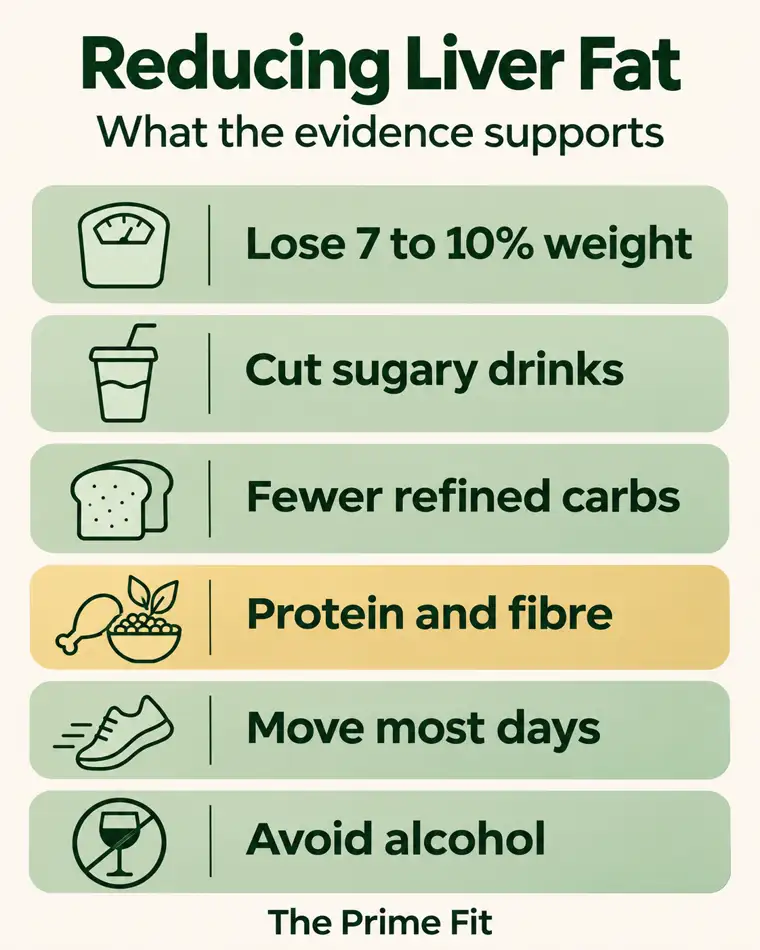
The encouraging fact is that the liver responds. In studies, losing about 5% of body weight reduces liver fat, and losing 7 to 10% or more can improve inflammation and, in many people, early scarring. This guide explains how, with a 7-day Indian meal plan in vegetarian and non-vegetarian versions.
What is fatty liver?
Fatty liver means that fat has built up inside liver cells. When it is linked to excess weight, insulin resistance, diabetes or abnormal cholesterol, and not mainly to alcohol, it was long called non-alcoholic fatty liver disease (NAFLD). The newer name is metabolic dysfunction-associated steatotic liver disease, or MASLD. You may see either term on a report.
It is very common. Indian studies suggest that roughly one in three adults may have it, although figures vary with the region and the method used. It also occurs in people who do not look overweight, particularly when fat is carried around the waist.
In most people, the fat causes no symptoms and is found on an ultrasound or through mildly raised liver enzymes. In a proportion, the fat leads to inflammation (called MASH, formerly NASH), and over years this can cause scarring (fibrosis), cirrhosis and, rarely, liver cancer. Fatty liver also travels with a higher risk of type 2 diabetes and heart disease, which is why it deserves attention even when you feel well.
What causes fat to build up in the liver?
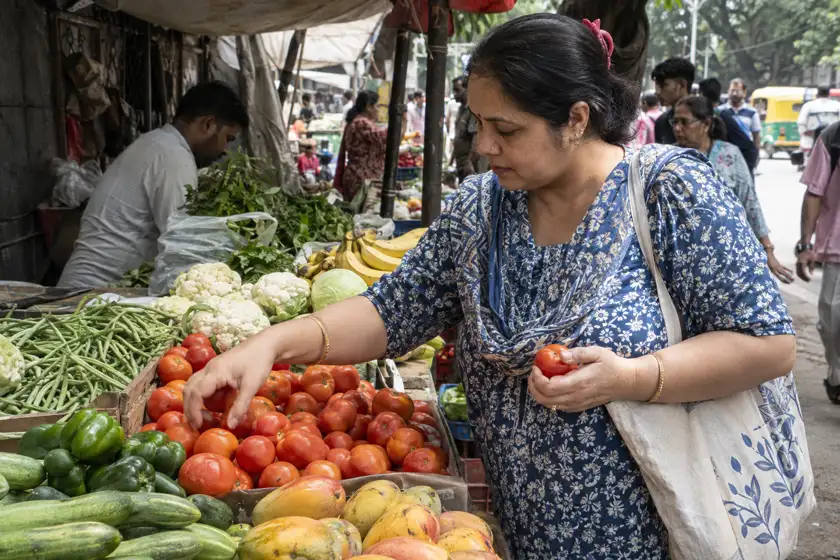
- Excess calories, especially from sugar and refined carbohydrate. The liver converts surplus sugar, and fructose in particular, into fat.
- Insulin resistance, which sends more fat from body stores to the liver.
- Abdominal fat. For Asian Indians, risk rises from a BMI of 23 (overweight) and 25 (obesity), and from a waist above 90 cm in men or 80 cm in women.
- Type 2 diabetes, PCOS, high triglycerides and an underactive thyroid.
- Alcohol, which adds its own injury to the liver.
- Physical inactivity and long hours of sitting.
You can check your BMI with our BMI calculator.
How much weight loss reduces liver fat?
Weight loss is the best-proven treatment for fatty liver, and the benefit rises with the amount lost.
| Weight lost | What studies generally find |
|---|---|
| About 5% of body weight | Liver fat falls and liver enzymes often improve |
| About 7 to 10% | Liver inflammation improves in many people |
| 10% or more | Scarring can stabilise or improve in a meaningful proportion |
Illustrative example: for a person who weighs 80 kg, 5% is 4 kg, 7% is 5.6 kg and 10% is 8 kg. These are achievable targets over several months.
Pace matters. A loss of about 0.5 to 1 kg a week is generally advised. Crash diets and very rapid loss are not recommended, as they cost muscle, raise the risk of gallstones and are rarely sustained. People with fatty liver who are not overweight can also benefit from a smaller loss, together with better food quality and exercise.
The principles of a fatty liver diet plan
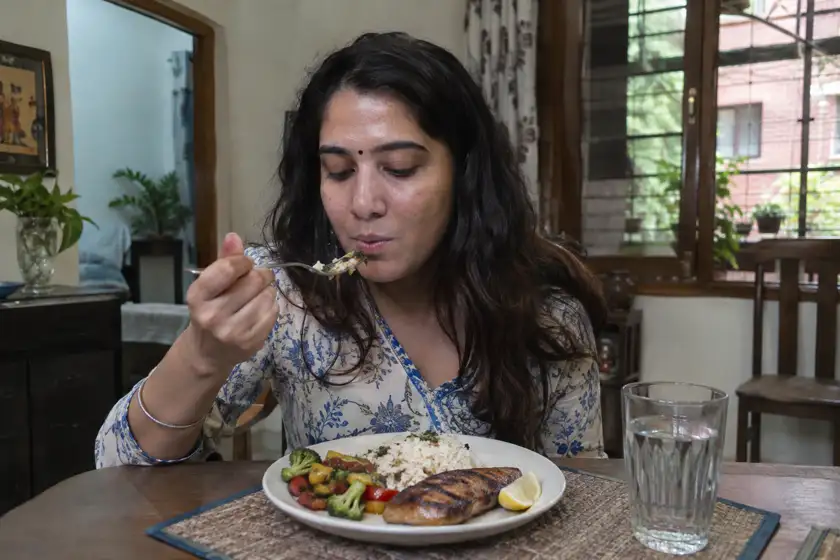
The eating pattern with the most evidence for fatty liver is a Mediterranean-style diet: plenty of vegetables, pulses, whole grains, nuts, fish and unsaturated oils, with little sugar, refined flour and processed meat. It translates easily to an Indian kitchen.
- Stop sugary drinks first. Soft drinks, packaged juices, sweet lassi, sherbets and several cups of sweet tea are the easiest source of liver fat to remove.
- Reduce refined carbohydrate: maida, white bread, biscuits, namkeen, large portions of white rice and sweets.
- Choose whole grains in measured amounts: phulka, dalia, oats, brown rice, jowar, bajra and ragi.
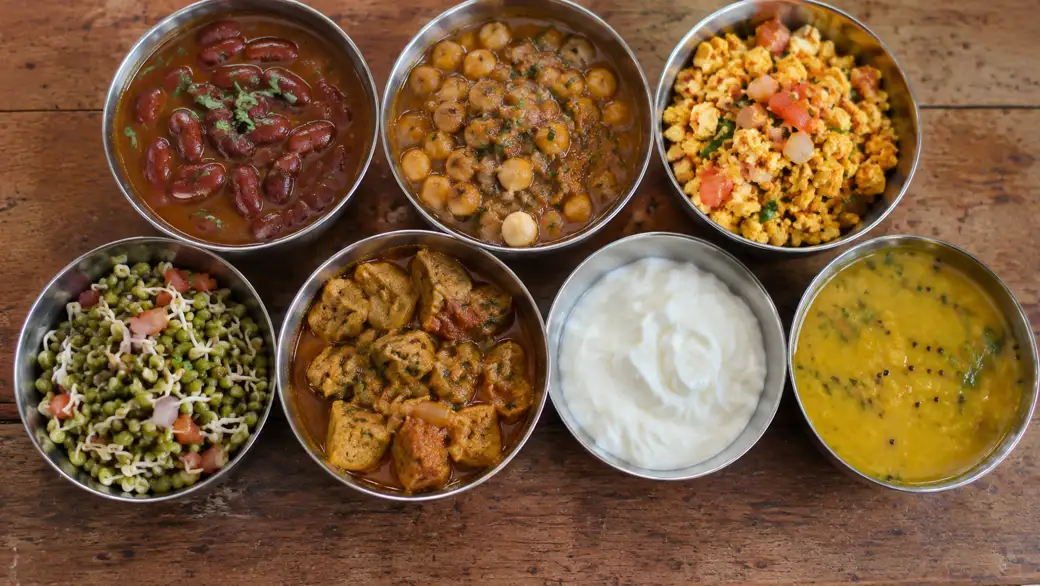
- Include protein at every meal: dal, chana, rajma, curd, paneer, soya, eggs, fish or chicken. It protects muscle and keeps you full.
- Fill half the plate with vegetables and have one or two whole fruits a day.
- Use unsaturated oils sparingly, such as mustard, groundnut or olive oil, and keep ghee, butter, cream and vanaspati low.
- Avoid alcohol.
Foods to eat and foods to limit
| Food group | Prefer | Limit or avoid |
|---|---|---|
| Grains | Phulka, dalia, oats, brown rice, millets | Maida, naan, white bread, large rice portions, instant noodles |
| Protein | Dal, chana, rajma, sprouts, low-fat paneer, curd, soya, eggs, fish, skinless chicken | Fried paneer and chicken, processed meats, frequent red meat |
| Vegetables | All vegetables, cooked or as salad | Vegetables deep-fried or cooked in heavy cream gravies |
| Fruit | Whole fruit: guava, apple, papaya, orange, berries | Fruit juice, including fresh juice, and large amounts of mango or grapes at one sitting |
| Fats | Measured mustard, groundnut or olive oil, a small handful of nuts | Deep-fried snacks, vanaspati, reused frying oil, generous ghee and butter |
| Drinks | Water, chaas, unsweetened tea or coffee | Soft drinks, energy drinks, packaged juice, sweet lassi, alcohol |
| Sweets | A small planned portion on occasions | Daily mithai, desserts, biscuits and chocolate |
A note on fruit
Fructose in soft drinks, sweets and juice is a concern for the liver. Whole fruit is different: the fibre slows absorption and the quantity is self-limiting. One or two whole fruits a day fit well in a fatty liver diet.
7-day Indian meal plan for fatty liver (veg and non-veg)
Treat this as a pattern, not a prescription. Portions depend on your size, activity and other conditions such as diabetes. Tea and coffee are without sugar.
| Day | Breakfast | Lunch | Evening | Dinner |
|---|---|---|---|---|
| Monday | Vegetable oats upma, curd. Non-veg: 2-egg vegetable omelette, 1 multigrain toast | 2 phulkas, moong dal, bhindi sabzi, salad | Roasted chana, chaas | Paneer and vegetable stir-fry, 1 phulka. Non-veg: grilled fish with sautéed vegetables |
| Tuesday | 2 moong dal chillas with mint chutney | 1 katori brown rice, rajma, salad, curd. Non-veg: chicken curry in place of rajma | 1 guava, 5 almonds | Masoor dal, lauki sabzi, 1 jowar roti |
| Wednesday | Vegetable dalia. Non-veg: add 2 boiled egg whites or 1 whole egg | 2 phulkas, chana masala, cabbage and peas sabzi, salad | Sprouts chaat | Mixed vegetable soup, soya chunk curry. Non-veg: chicken soup, grilled chicken |
| Thursday | 2 idlis with sambar | 1 bajra roti, palak dal, cucumber raita. Non-veg: fish curry, small portion of rice | Makhana roasted in a little oil | Tofu or low-fat paneer bhurji, sautéed beans, 1 phulka |
| Friday | Poha with vegetables and peanuts. Non-veg: egg bhurji, 1 phulka | 2 phulkas, lobia, tori or tinda sabzi, salad | 1 apple, a few walnuts | Vegetable khichdi with extra dal, curd. Non-veg: chicken stew with vegetables |
| Saturday | Besan chilla with vegetables, curd | 1 katori brown rice, sambar, vegetable poriyal, salad. Non-veg: egg curry (2 eggs) | Chaas, roasted peanuts | Dal, baingan bharta, 1 phulka |
| Sunday | Ragi dosa with sambar. Non-veg: omelette with vegetables | 2 phulkas, kadhi or dal, mixed sabzi, salad. Non-veg: home-style chicken curry, small portion | Fruit chaat without sugar | Light dinner: vegetable soup and moong dal chilla |
For more protein-focused ideas, see our vegetarian high-protein meal plan. If you also have diabetes, the Indian diabetes diet chart gives suitable portions.
Is coffee good for fatty liver?
Observational studies have repeatedly linked regular coffee drinking with a lower risk of liver scarring. This is an association, not proof of cause, but it is consistent enough that liver specialists generally consider coffee acceptable, and possibly helpful, for people with fatty liver. The benefit does not extend to coffee loaded with sugar, cream or flavoured syrups. If coffee causes acidity, palpitations or poor sleep, or if you are pregnant, follow your healthcare provider’s advice on limits.
Alcohol and fatty liver
Alcohol and metabolic fatty liver damage the liver through overlapping routes, and together they do more harm than either alone. There is no amount of alcohol known to be safe for a liver that is already inflamed or scarred. For anyone with fatty liver, the safest advice is to avoid alcohol, and people with fibrosis or cirrhosis should not drink at all. If you find it hard to cut down, tell your healthcare provider. Help is available and the conversation is confidential.
Exercise: it helps even before the scale moves
Exercise reduces liver fat by itself, even when weight changes little. Guidelines generally recommend 150 to 300 minutes a week of moderate activity such as brisk walking, cycling or swimming, plus strength training on two days. Start from where you are: 10 to 15 minutes after meals is a reasonable beginning. Our guide to walking for fat loss explains how to build up.
Supplements and “liver detox” products
No supplement has been shown to clear liver fat in the way that weight loss does.
- Vitamin E is sometimes prescribed by specialists for selected adults with confirmed liver inflammation. It is not for everyone and has risks at high doses, so it should not be self-started.
- Milk thistle and “liver tonics” have not shown convincing benefit in good-quality trials.
- Herbal and “detox” products are not automatically safe. Some herbal preparations and bodybuilding supplements have been linked to liver injury. Tell your healthcare provider about everything you take.
- Omega-3 supplements can lower triglycerides but are not an established treatment for liver inflammation.
When diet is not enough: medical options
If weight and liver markers do not improve after a sustained effort, or if tests suggest scarring, your healthcare provider may discuss further treatment. Diabetes, blood pressure and cholesterol need to be controlled, because heart disease is the commonest serious outcome in people with fatty liver.
GLP-1 based medicines such as semaglutide (Wegovy, Ozempic) and tirzepatide (Mounjaro) produce substantial weight loss, and in clinical trials they have improved liver fat and inflammation in many participants. Their approved uses differ between countries, and they are prescription medicines with side effects and clear eligibility criteria. Our article on GLP-1 medicines and fatty liver explains the evidence. For people with severe obesity, bariatric surgery can also improve fatty liver markedly.
Common myths about fatty liver
| Myth | What is more accurate |
|---|---|
| “Fatty liver comes from eating fat, so I should cut all oil” | Sugar, refined starch and excess calories are the main drivers. Moderate amounts of unsaturated oil and nuts are part of a good plan |
| “Only people who drink get liver disease” | Metabolic fatty liver occurs in people who never drink |
| “Thin people cannot have fatty liver” | It occurs at normal weight too, especially with a large waist |
| “Grade 1 on ultrasound means it is nothing” | Ultrasound grade shows fat, not scarring. Your healthcare provider may assess fibrosis risk separately |
| “Lemon water, karela juice or detox drinks clean the liver” | No drink removes liver fat. Sustained weight loss and exercise do |
| “Normal liver enzymes mean a healthy liver” | Enzymes can be normal even with significant disease |
| “Fruit is bad for fatty liver” | Whole fruit in normal amounts is fine. Juice and added sugar are the problem |

When to see a healthcare professional, and warning signs
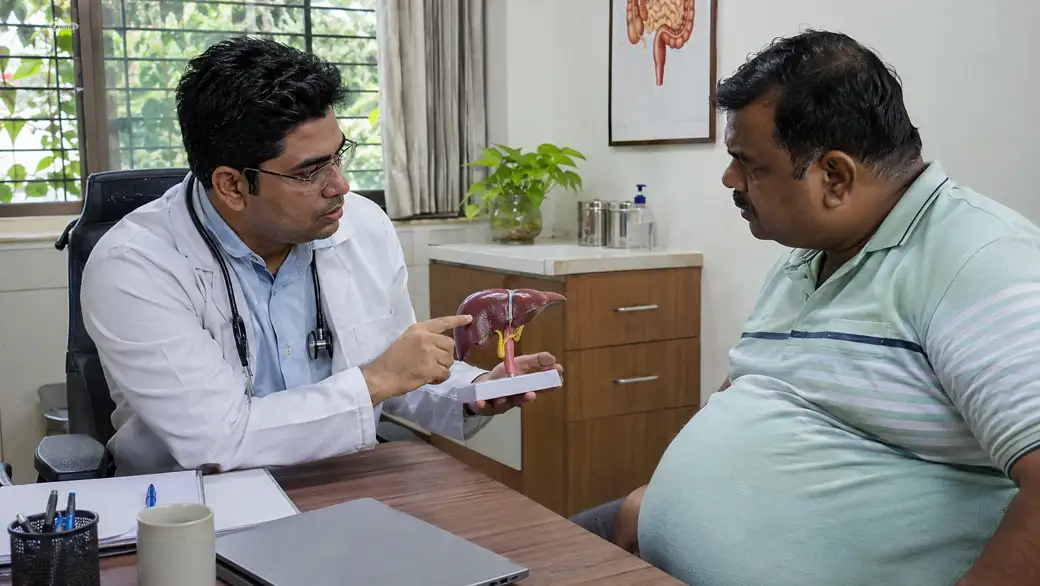
If an ultrasound has shown fatty liver, see a healthcare professional even if you feel well. The important question is not how much fat there is but whether there is scarring. Healthcare professionals usually estimate this with a score calculated from routine blood tests and age, and may follow it with a liver stiffness scan (elastography). You should also be checked for diabetes, cholesterol and blood pressure.
Seek urgent care
Go to hospital promptly for yellowing of the eyes or skin, a swollen abdomen or legs, vomiting blood, black tarry stools, confusion or unusual drowsiness, or severe abdominal pain. These can be signs of advanced liver disease or another serious problem.
Questions to ask your healthcare provider
- Do my tests suggest any liver scarring, and do I need a liver stiffness scan?
- Have other causes of liver disease, such as hepatitis B and C, been checked?
- What weight-loss target is right for me, and over what period?
- Do I have diabetes, prediabetes or high triglycerides that need treatment?
- Are any of my medicines or supplements affecting my liver?
- How often should my liver tests and scan be repeated?
- Would medical weight-loss treatment be appropriate in my case?
How The Prime Fit helps
At The Prime Fit, care for people with fatty liver begins with a medical assessment: weight, waist, history, medicines and a review of blood tests and scans. Where reports suggest possible scarring, referral to a liver specialist is part of responsible care.
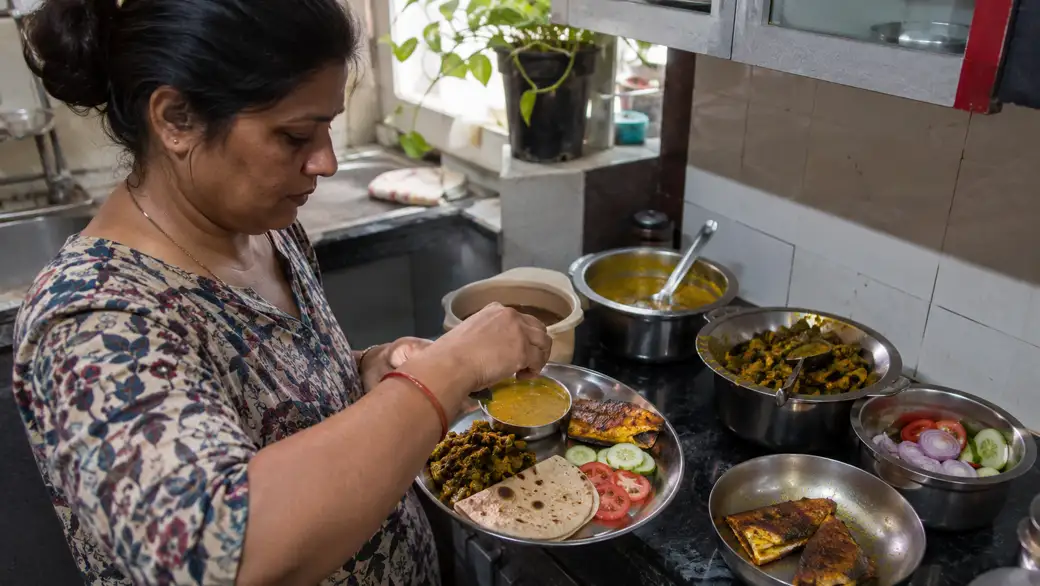
Our clinical nutrition support turns the principles above into a plan based on your household’s food, whether vegetarian or non-vegetarian. Regular follow-up tracks weight, waist and repeat tests, and the plan is adjusted as you go. Where medical treatment for weight is appropriate, the options are explained with their benefits and risks. You can learn more about GLP-1 therapy on our site.
Frequently asked questions
What is the best diet for fatty liver?
A Mediterranean-style pattern adapted to Indian food: vegetables, pulses, whole grains, curd, eggs, fish or chicken and modest amounts of unsaturated oil, with very little sugar, refined flour and fried food, in portions that produce gradual weight loss.
Can fatty liver be reversed?
In many people, yes. Liver fat falls with about 5% weight loss, and inflammation often improves with 7 to 10%. Advanced scarring is harder to reverse, which is why early action matters.
How long does it take to reduce liver fat?
Liver fat can start to fall within weeks of consistent changes, but meaningful improvement usually takes several months of steady weight loss. Your healthcare provider will advise when to repeat tests.
Can I eat rice and roti with fatty liver?
Yes, in measured portions. Prefer phulka, brown rice or millets, and pair them with dal, vegetables and a protein source.
Is ghee bad for fatty liver?
Ghee is high in saturated fat and calories. A small amount can fit in the diet, but generous daily use works against weight loss.
Are eggs allowed in a fatty liver diet?
Eggs are a good protein source for most people. Boil, poach or scramble them with little oil. Ask your healthcare provider about limits if your cholesterol is high.
Is fatty liver grade 1 serious?
Grade 1 means mild fat on ultrasound. It is an early warning, not a reason for alarm, but the grade does not show scarring. It is worth a medical review and lifestyle changes.
Do I need medicine for fatty liver?
Most people are treated with weight loss, diet and exercise, and with control of diabetes and cholesterol. Medicines are considered by a healthcare professional in selected cases.
This article is general information and is not a substitute for a consultation. Figures from studies are approximate. If you have fatty liver, diabetes or any liver symptoms, see a healthcare professional before making major changes to your diet, medicines or supplements, and seek urgent care for the warning signs described above.