In this article
- Where does pregnancy weight come from, and how much goes on its own?
- A safe timeline for weight loss after pregnancy
- How much weight loss is reasonable?
- Breastfeeding nutrition: how much should you eat?
- Ghee, panjiri and laddoos: how to keep tradition in balance
- What should an Indian postpartum plate look like?
- Sample Indian menu for a breastfeeding mother
- Why are GLP-1 medicines not used during breastfeeding?
- When and how to start exercising
- Medical reasons the weight may not shift
- When to see a healthcare professional urgently
- Common myths about weight loss after pregnancy
- Questions to ask your healthcare provider
- How The Prime Fit helps
- Frequently asked questions
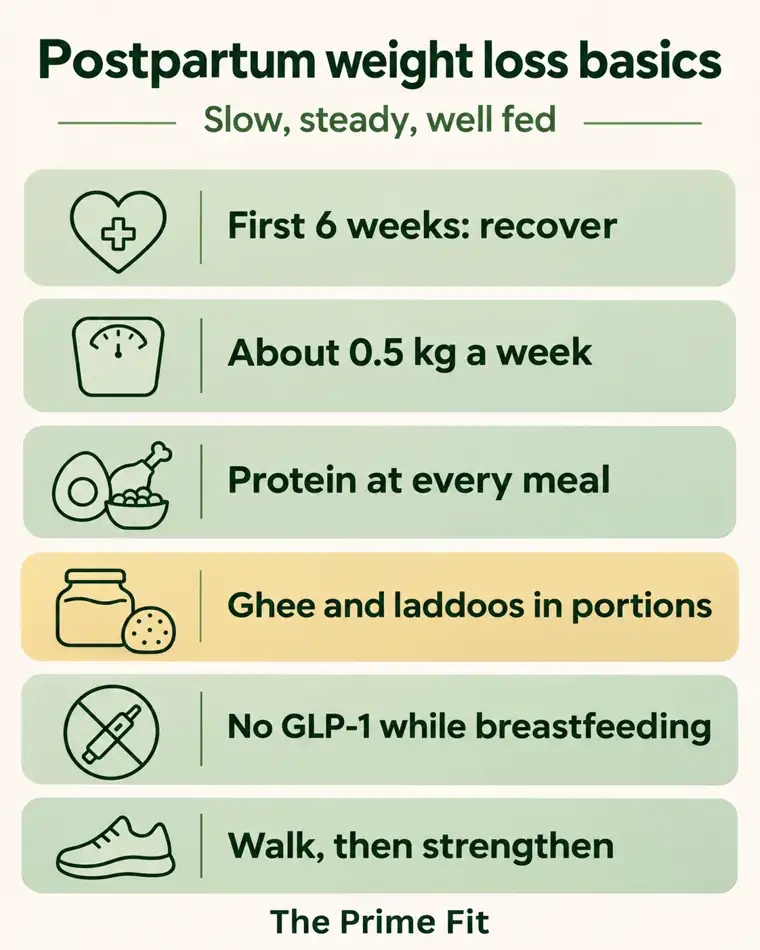
Weight loss after pregnancy is safe and realistic for most women, but it works best when it is slow. The first six weeks are for healing and establishing feeding, not dieting. After your postnatal check, a loss of about half a kilogram a week, built on regular home-cooked meals, enough protein and daily walking, is a reasonable aim. Many women return close to their pre-pregnancy weight somewhere between 6 and 12 months, and some need longer.
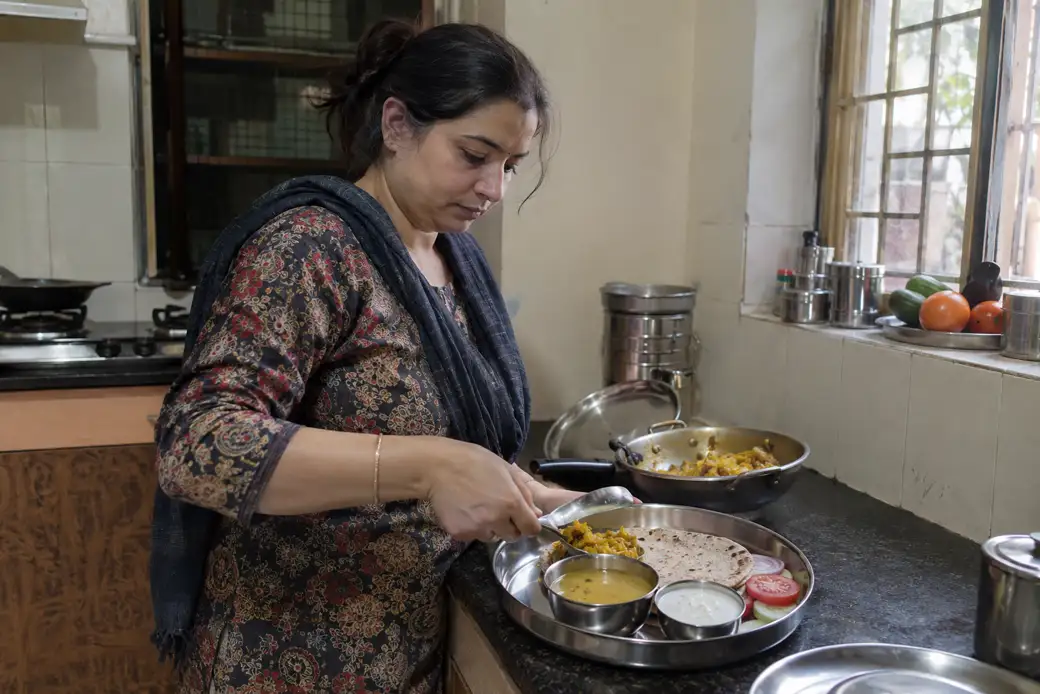
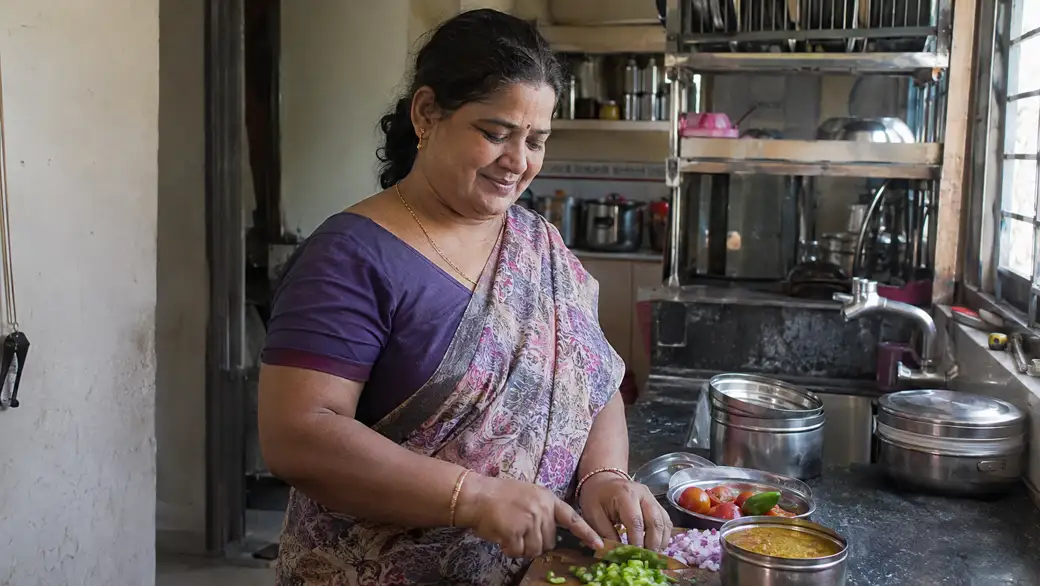
In Indian homes, the weeks after delivery come with a great deal of food advice: ghee in everything, panjiri, gond laddoos, and instructions to rest and avoid “cold” foods. Much of this is sensible, but some of it adds far more energy than a resting mother can use. The aim is balance, not rejection.
This guide covers a safe timeline, breastfeeding nutrition, a sample Indian menu, exercise, and the medical conditions that can make weight hard to shift. It also explains why GLP-1 weight loss medicines are not used during breastfeeding. It is general information; your own healthcare provider’s advice comes first, especially after a caesarean or a complicated pregnancy.
Where does pregnancy weight come from, and how much goes on its own?
Pregnancy weight is not all fat. It includes the baby, the placenta, amniotic fluid, a larger uterus, extra blood and fluid, breast tissue, and a store of fat that the body lays down to support breastfeeding.
Part of this goes at delivery: the baby, placenta and fluid together typically account for roughly 5 to 6 kg. Over the next few weeks, extra fluid is passed as urine and sweat and the uterus shrinks back, so the scale continues to drift down without any effort. What remains after about six weeks is mostly stored fat, plus whatever was gained beyond the recommended range. That is the part that responds to diet and activity, and it comes off more slowly.
A safe timeline for weight loss after pregnancy
There is no single schedule that suits everyone. The table below is a general guide for a woman who is recovering well. After a caesarean, heavy blood loss, high blood pressure or any complication, the stages often take longer, and your obstetrician should set the pace.
| Stage | Main focus | Food | Activity |
|---|---|---|---|
| Birth to 6 weeks | Healing, rest, establishing feeding | Eat to appetite, regular meals, plenty of fluids. No calorie restriction. | Gentle walking around the house, pelvic floor exercises, deep breathing |
| 6 to 12 weeks | Postnatal check, then a gradual start | Trim obvious extras: sugar, fried snacks, large portions of ghee and sweets | Daily walks, building up slowly. Core and pelvic floor work. |
| 3 to 6 months | Steady loss of about 0.5 kg a week | Balanced plate, protein at every meal, modest calorie deficit | Brisk walking most days, light strength training two days a week |
| 6 to 12 months | Continue, then maintain | Baby starts solids and feeds less, so your extra energy needs fall | Progress strength training, return to sport if comfortable |
Faster is not better. Very low calorie diets soon after delivery can leave you exhausted and short of iron, calcium and protein, and broken sleep already raises hunger and cravings. If you are breastfeeding, a sharp cut in food can also reduce milk supply in some women.
How much weight loss is reasonable?
For most women, about 0.5 kg a week, or roughly 2 kg a month, once the first six to eight weeks have passed. Studies of breastfeeding mothers who lost weight at about this pace, through moderate diet and exercise, found that their babies continued to grow normally.
It helps to know your starting point. Asian Indian cut-offs are lower than international ones: a BMI of 23 or more counts as overweight and 25 or more as obesity. You can check yours with our BMI calculator.
Illustrative example: a woman who is 1.58 m tall and weighs 68 kg four months after delivery has a BMI of about 27.2 (68 divided by 1.58 squared, which is about 2.50). A first target of 5 to 7 kg over three to four months would be sensible, with the next step reviewed after that.
Breastfeeding nutrition: how much should you eat?
Making milk uses a good deal of energy, in the region of 500 calories a day during exclusive breastfeeding. Indian dietary recommendations advise an allowance of about 600 extra calories a day in the first six months of breastfeeding and about 520 in the second six months. Part of this can come from the fat stored in pregnancy, which is one reason breastfeeding supports gradual weight loss in many women.
In practice this means you should not eat less than you did before pregnancy while you are exclusively breastfeeding. A common guide is not to go below about 1,800 calories a day without professional supervision. You do not need to count every calorie: three meals and two or three planned snacks, built from ordinary home food, usually does it.
Protein
Protein needs rise during breastfeeding. Indian recommendations add roughly 17 g a day in the first six months on top of the usual adult allowance of about 0.83 g per kilogram of body weight.
Illustrative example: for a 60 kg woman, 60 x 0.83 is about 50 g, plus 17 g gives about 67 g of protein a day. Many vegetarian diets fall short of this unless dal, milk, curd, paneer or soya appears at every meal.
Other nutrients to watch
- Iron: anaemia is common after delivery in India. Keep taking the iron your healthcare provider prescribed, and eat green leafy vegetables, dals, eggs or meat with a source of vitamin C such as lemon or amla.
- Calcium: milk, curd, paneer, ragi, sesame seeds and green leafy vegetables. Continue supplements if advised.
- Vitamin B12: often low in vegetarians. Your healthcare provider may suggest a test or a supplement.
- Vitamin D: frequently low in Indian women who spend the confinement period indoors.
- Fluids: drink to thirst, and keep water within reach during feeds. Pale yellow urine is a good sign.
Ghee, panjiri and laddoos: how to keep tradition in balance
Traditional postpartum foods were designed for women who needed concentrated energy and often went back to physical work. They contain useful ingredients: nuts, seeds, whole wheat, edible gum (gond), methi, dry ginger, jaggery and ghee. They are also very energy dense, and the usual advice to rest for 40 days means little of that energy is spent.
| Food | What it offers | A balanced approach |
|---|---|---|
| Ghee | Energy and flavour. One teaspoon has about 45 calories. | 2 to 3 teaspoons a day in total, across rotis, dal and cooking, in place of other fat, not in addition to it |
| Panjiri | Whole wheat, nuts, seeds, ghee and sugar or jaggery | 1 to 2 tablespoons as a planned snack, not a bowl |
| Gond or methi laddoo | Nuts, edible gum, fenugreek, ghee, jaggery. A single laddoo can carry roughly 150 to 250 calories, depending on size and recipe. | One small laddoo a day with milk, counted as a snack |
| Ajwain or jeera water | A warm, pleasant drink that helps you take enough fluid | Fine to drink. It does not burn fat. |
Several of these foods are believed to increase milk supply. The scientific evidence for most traditional galactagogues is limited and mixed. Milk supply depends mainly on frequent, effective feeding, good attachment, adequate food and fluid, and rest. If supply is a worry, ask for help with feeding technique before adding more ghee.

What should an Indian postpartum plate look like?
- Half the plate vegetables: cooked sabzi, lauki, tori, palak, carrots, beans. Salad is fine too; there is no medical reason to avoid properly washed raw vegetables.
- A quarter protein: dal, chana, rajma, paneer, curd, soya, egg, fish or chicken.
- A quarter whole grains: roti, rice, millets such as ragi or jowar, dalia.
- A small amount of fat: ghee or oil measured by the teaspoon.
- Fruit once or twice a day, and milk or curd two to three times.
Sample Indian menu for a breastfeeding mother
This is an illustrative example of one day, not a prescription. Portions need adjusting to your size, activity and how much you are feeding. Protein figures are approximate.
| Meal | Vegetarian | Non-vegetarian |
|---|---|---|
| Early morning | 1 glass milk, 5 soaked almonds (about 8 g protein) | 1 glass milk, 5 soaked almonds (about 8 g) |
| Breakfast | 2 besan chillas with 50 g paneer filling, mint chutney (about 18 g) | 2-egg omelette with vegetables, 2 slices whole wheat toast (about 17 g) |
| Mid-morning | 1 fruit, 30 g roasted chana (about 6 g) | 1 fruit, 1 glass chaas, a small handful of peanuts (about 8 g) |
| Lunch | 2 rotis with 1 tsp ghee, 1 katori dal, lauki or palak sabzi, 1 katori curd (about 17 g) | 2 rotis, chicken curry with about 100 g cooked chicken, salad (about 31 g) |
| Evening | 1 katori sprouts chaat, 1 small gond laddoo (about 8 g) | 1 small gond laddoo, roasted makhana (about 3 g) |
| Dinner | 1 roti, paneer bhurji with 75 g paneer, mixed vegetables (about 18 g) | Fish curry with about 100 g fish, 1 small katori rice, vegetables (about 23 g) |
| Approximate protein | About 75 g | About 90 g |
For a plan built around your own kitchen, see our clinical nutrition service.
Why are GLP-1 medicines not used during breastfeeding?
GLP-1 medicines such as Mounjaro, Wegovy and Ozempic are not used during pregnancy or breastfeeding. There is not enough information about whether they pass into human breast milk in meaningful amounts or how they might affect a feeding baby, and they lower appetite at a time when a mother’s nutritional needs are higher than usual. Prescribing information advises against their use while breastfeeding.
If you are breastfeeding
Do not start, restart or borrow a weight loss injection while you are breastfeeding, including partial feeding. If you were on one before pregnancy, discuss the timing of any restart with your healthcare provider once breastfeeding has finished.
These medicines may be considered later for women who meet the usual criteria, after breastfeeding has ended and with reliable contraception in place, because they must be stopped well before a future pregnancy. Our guide to GLP-1 medicines, pregnancy and contraception explains the planning involved, and who is eligible for weight loss injections sets out the BMI and health criteria.
When and how to start exercising
Movement helps mood, sleep, bowel function and recovery, as well as weight. The traditional advice of complete bed rest for weeks is not medically necessary for most women, and long periods of immobility raise the risk of blood clots.
- From the first days: short, gentle walks indoors and pelvic floor exercises, as comfort allows.
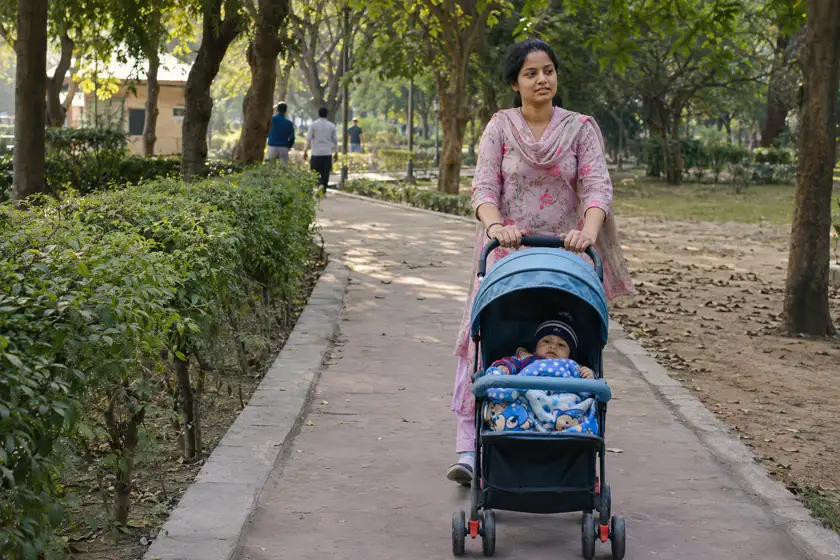
- After the postnatal check, usually around six weeks: build up to 30 minutes of brisk walking most days. Walking with the pram counts.
- From about three months: add strength work twice a week: squats to a chair, wall push-ups, bridges, resistance bands.
After a caesarean, avoid heavy lifting and strong abdominal exercise until your healthcare provider confirms that healing is complete. If you notice a bulge down the midline of the abdomen when you sit up, leaking urine, or a feeling of heaviness in the pelvis, ask for a referral to a physiotherapist before progressing.
Medical reasons the weight may not shift
If you are eating sensibly and moving daily but nothing changes over two to three months, or your weight is rising, ask your healthcare provider to look for a medical cause.
- Thyroid problems: the thyroid can become underactive in the months after delivery. Tiredness, feeling cold, constipation, low mood and weight gain are easily blamed on new motherhood.
- PCOS: insulin resistance makes weight loss slower and usually returns after pregnancy. See our PCOS diet plan.
- Gestational diabetes: women who had diabetes in pregnancy need a repeat glucose test after delivery, usually at about 6 to 12 weeks, and regular checks afterwards, because the long-term risk of type 2 diabetes is higher.
- Postnatal depression or anxiety: these affect appetite, sleep and motivation and are treatable.
When to see a healthcare professional urgently
Seek urgent medical care if you have
Heavy bleeding or large clots; fever or a foul-smelling discharge; a red, hot, painful breast with fever; pain, redness or discharge from a caesarean or perineal wound; pain or swelling in one calf; chest pain or breathlessness; a severe headache, blurred vision or sudden swelling of the face and hands; or thoughts of harming yourself or your baby.

Common myths about weight loss after pregnancy
- “Breastfeeding melts the weight away.” It helps many women, but the effect is modest and varies. Hunger rises too, and it is easy to eat back more than feeding uses.
- “You must eat for two while feeding.” You need a little more, not double. One extra balanced snack and slightly larger meals cover it.
- “More ghee means more milk.” Supply depends on frequent feeding and overall nutrition, not on the quantity of ghee.
- “Tying the belly with a cloth or belt flattens the stomach.” A support binder may feel comfortable, especially after a caesarean, but it does not remove fat or repair muscle.
Questions to ask your healthcare provider
- Is my recovery far enough along to start losing weight, and what pace is right for me?
- Should I have my haemoglobin, thyroid, vitamin D or B12 checked?
- I had gestational diabetes or high blood pressure: what follow-up tests do I need, and when?
- Which contraception suits me now?
- If I still have significant weight to lose after I stop breastfeeding, what are my options?
How The Prime Fit helps
At The Prime Fit, postpartum weight care begins with an assessment: your pregnancy and delivery history, feeding, current weight and BMI, relevant blood tests, and any conditions such as thyroid disease, PCOS or previous gestational diabetes. The plan that follows is built around nutrition first, using the foods your household already cooks, with protein and micronutrients protected while you are breastfeeding.
Follow-up is regular, so that portions and activity can be adjusted as your baby grows and your needs change. Medicines are discussed only when they are appropriate and safe for your stage of life, which means not while you are breastfeeding. You can read about how supervised treatment works on our GLP-1 therapy page.
Frequently asked questions
When can I start trying to lose weight after delivery?
Use the first six weeks to recover and establish feeding. After your postnatal check, you can begin gradually, aiming for about 0.5 kg a week. After a caesarean or a complicated delivery, follow your healthcare provider’s timing.
How long does it take to lose pregnancy weight?
Many women return close to their pre-pregnancy weight between 6 and 12 months after delivery. It can take longer if you gained more than recommended, started pregnancy above a healthy weight, or have a condition such as thyroid disease or PCOS.
Will dieting reduce my breast milk?
Gradual loss on a balanced diet does not usually affect supply. Crash diets, skipping meals and very low calorie intakes can. Avoid going below about 1,800 calories a day without supervision while exclusively breastfeeding.
Can I eat ghee and laddoos and still lose weight?
Yes, in measured amounts. Two to three teaspoons of ghee a day in total and one small laddoo as a planned snack fit into most plans. Larger amounts make weight loss difficult.
Can I take Mounjaro, Wegovy or Ozempic while breastfeeding?
No. GLP-1 medicines are not used during breastfeeding because there is not enough safety information for the baby, and they reduce appetite when your nutritional needs are raised. They can be discussed with your healthcare provider after breastfeeding ends.
Does breastfeeding help with weight loss?
It uses extra energy and helps many women lose weight gradually, but the effect is modest and not universal. It works best alongside balanced meals and regular activity.
Is it safe to exercise after a caesarean?
Gentle walking is encouraged early. Avoid heavy lifting and strong abdominal exercise until your healthcare provider confirms healing, usually after the six to eight week check, and then build up slowly.
Why am I gaining weight after delivery even though I am eating normally?
Common reasons include energy-dense traditional foods, very little movement, poor sleep, and medical causes such as an underactive thyroid or low mood. If your weight is rising, see your healthcare provider for a check.
This article is general information and is not a substitute for a consultation with your own healthcare provider. Nutritional figures are approximate, and needs vary with your health, your delivery and how you are feeding your baby. Seek medical advice before starting a weight loss plan after pregnancy, and urgent care for any of the warning signs listed above.