In this article
- What is the 30-30-30 rule?
- Does the 30-30-30 rule work for weight loss?
- Why protein at breakfast helps
- How much protein do you need in a day?
- How much protein is in a typical Indian breakfast?
- Protein building blocks for an Indian breakfast
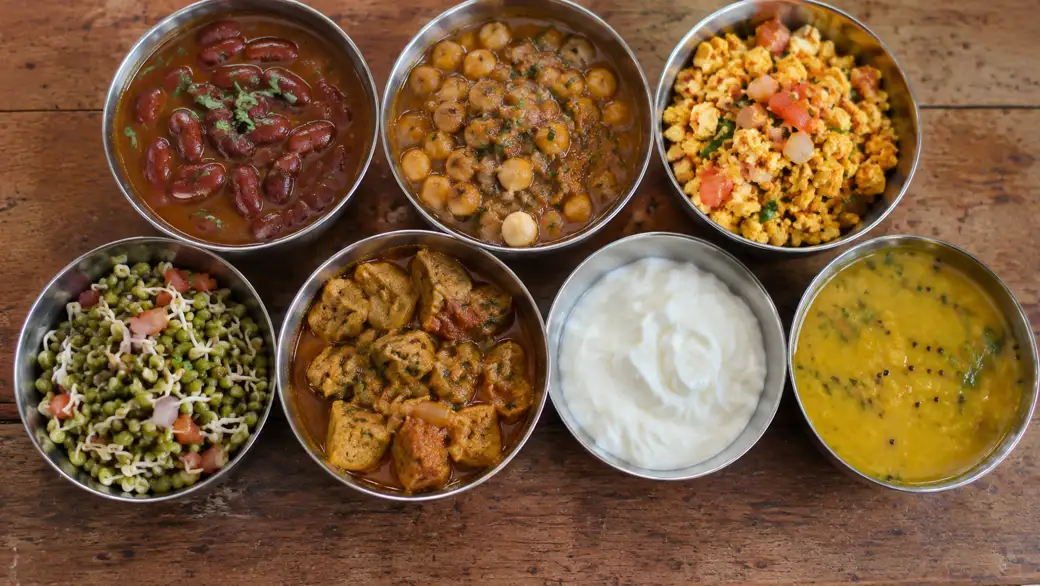
- Indian high-protein breakfast ideas with about 30 g protein
- Does it have to be within 30 minutes of waking?
- Is 30 minutes of low-intensity exercise enough?
- The 30-30-30 rule on GLP-1 medicines
- Who should be careful with the 30-30-30 rule?
- Common myths about the 30-30-30 rule
- A realistic way to use the idea
- Questions to ask your healthcare provider
- How The Prime Fit helps
- Frequently asked questions
The 30-30-30 rule is simple to state: eat 30 grams of protein within 30 minutes of waking, then do 30 minutes of low-intensity exercise. It began in a diet book published in 2010 and spread widely through short social media videos, often with claims that it “melts fat” or “fixes metabolism”.
Does the 30-30-30 rule work? The honest answer is that nobody has tested the full rule in a proper clinical trial, so there is no direct proof for or against it. What research does support is narrower: a high-protein breakfast helps many people feel full for longer, and a daily walk is good for almost everyone. The strict 30-minute deadline after waking has no evidence behind it.
This guide separates the useful parts from the marketing, and shows how to reach about 30 g of protein at breakfast with ordinary Indian foods, vegetarian and non-vegetarian. It is general information, not personal medical advice.
What is the 30-30-30 rule?
The rule has three parts, all done first thing in the morning.
- 30 grams of protein: a breakfast built around eggs, dairy, pulses, soya, chicken or fish instead of mainly cereal and sugar.
- Within 30 minutes of waking: the claim is that eating early “switches on” metabolism and steadies blood sugar.
- 30 minutes of low-intensity exercise: steady movement such as walking or easy cycling, at a pace where you can still hold a conversation.
Does the 30-30-30 rule work for weight loss?
There are no published trials of the 30-30-30 rule as a package. Anyone who quotes a precise amount of weight lost “on 30-30-30” is quoting personal stories, not research. We can, however, look at the evidence for each part.
| Part of the rule | What research suggests | Verdict |
|---|---|---|
| 30 g protein at breakfast | Higher-protein breakfasts improve fullness and can reduce later snacking in short studies. Effects on long-term weight are less certain. | Reasonable, useful for many people |
| Eating within 30 minutes of waking | No good evidence that this window matters. Trials of eating breakfast versus skipping it have not shown that breakfast alone causes weight loss. | Not supported, timing is flexible |
| 30 minutes of low-intensity exercise | Regular walking improves blood sugar, blood pressure, mood and fitness. On its own it produces modest weight loss. | Good habit, modest effect on weight |
People who feel better on the rule are usually benefiting from structure: a planned breakfast instead of chai and biscuits, less mid-morning snacking, and daily movement that was not happening before. Those are real gains, even if the “rule” is not magic.

Why protein at breakfast helps
Protein is the most filling of the three macronutrients. It slows stomach emptying a little and influences gut hormones that signal fullness. In short-term studies, people given a higher-protein breakfast tend to report less hunger through the morning, and some studies in habitual breakfast skippers found less evening snacking.
Protein also costs more energy to digest. Roughly 20 to 30% of the calories in protein are used up in processing it, compared with about 5 to 10% for carbohydrate and less for fat.
The third reason matters most during weight loss: protein, together with strength training, helps protect muscle. When weight comes down, some of the loss is lean tissue. Eating enough protein, spread across meals, limits this.
How much protein do you need in a day?
The Indian recommended allowance for healthy adults is about 0.83 g of protein per kg of body weight per day. During planned weight loss, many clinicians aim higher, commonly around 1.0 to 1.2 g per kg per day, and sometimes more for people doing regular strength training, provided the kidneys are healthy. Your own target should be set with your healthcare provider or dietitian.
Illustrative example
A person weighing 70 kg who is advised 1.2 g per kg would aim for 70 x 1.2 = 84 g of protein a day. A breakfast with 30 g covers a little over one third of that, leaving about 54 g for lunch, dinner and snacks. This is an illustrative example only, not a prescription.
Thirty grams is a convenient round number, not a threshold. A breakfast with 20 to 25 g is still a large improvement on one with 6 g. Smaller or older adults, and people with a reduced appetite, can start lower and build up.
How much protein is in a typical Indian breakfast?
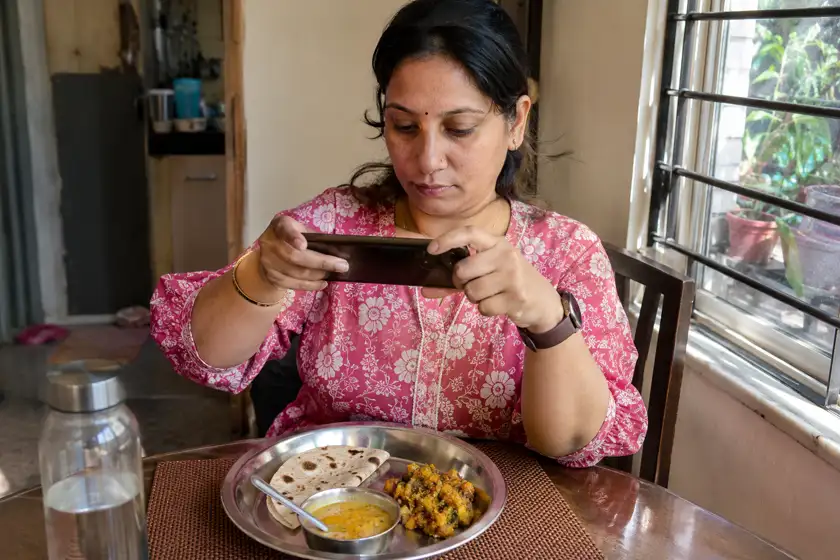
Most familiar breakfasts fall well short of 30 g. The figures below are approximate and vary with portion size and recipe.
| Common breakfast | Approximate protein |
|---|---|
| Chai with 2 to 4 biscuits | 2 to 3 g |
| One plate of poha with a few peanuts | 5 to 7 g |
| 2 slices of toast with butter and chai | 7 to 8 g |
| 3 idlis with sambar and chutney | About 10 g |
| 2 aloo parathas with a little curd | 10 to 12 g |
None of these foods is “bad”. The point is that they need a protein partner: eggs, paneer, curd, dal, soya or chicken.
Protein building blocks for an Indian breakfast
| Food | Portion | Approximate protein |
|---|---|---|
| Egg, whole | 1 large | 6 g |
| Paneer | 100 g | 18 g |
| Toned milk | 200 ml | 6 to 7 g |
| Curd (dahi) | 200 g | 7 g |
| Hung curd or Greek-style yoghurt | 100 g | 8 to 10 g |
| Moong dal (for chilla or pesarattu) | 60 g dry, makes 2 chillas | 14 g |
| Soya chunks | 30 g dry | 15 g |
| Tofu, firm | 100 g | 10 to 12 g |
| Roasted chana | 30 g | 6 g |
| Peanuts | 20 g | 5 g |
| Chicken breast, cooked | 100 g | 28 to 30 g |
| Fish, cooked | 100 g | 20 to 22 g |
| Whole wheat roti | 1 medium | 3 g |
| Whole wheat bread | 1 slice | 3 g |
| Idli | 1 medium | 2 g |
Indian high-protein breakfast ideas with about 30 g protein
Each combination below has been added up from the table above. Totals are rounded and approximate.
Vegetarian
- Stuffed moong dal chilla: 2 moong dal chillas (14 g) stuffed with 50 g crumbled paneer (9 g), with 200 g curd (7 g). Total: about 30 g.
- Paneer bhurji plate: 100 g paneer bhurji (18 g), 2 rotis (6 g), 200 ml toned milk or unsweetened lassi (6 to 7 g). Total: about 30 g.
- Soya poha: poha cooked with 30 g dry soya chunks or granules (15 g) plus the poha itself (about 3 g), 20 g peanuts (5 g) and 200 g curd (7 g). Total: about 30 g.
- Vegan option: 150 g tofu bhurji (15 to 18 g), 2 rotis (6 g), 30 g roasted chana (6 g). Total: about 27 to 30 g.
With eggs
- Masala omelette: 3 eggs (18 g), 2 slices whole wheat toast (6 g), 200 ml toned milk (6 to 7 g). Total: about 30 g.
- South Indian plate: 3 idlis (6 g), a katori of sambar (about 4 g), 2 boiled eggs (12 g), 200 g curd (7 g). Total: about 29 g.
Non-vegetarian
- Chicken sandwich: 75 g cooked shredded chicken (about 22 g) in 2 slices whole wheat bread (6 g) with 100 g curd or raita (3 to 4 g). Total: about 31 g.
- Leftover fish or chicken with roti: 100 g cooked fish (20 to 22 g), 2 rotis (6 g), a small bowl of curd (3 to 4 g). Total: about 30 g.
For full-day menus, see our vegetarian high-protein meal plan. A protein powder can fill a gap when appetite or time is short, but food comes first, and the protein per scoop varies by product, so read the label.
Does it have to be within 30 minutes of waking?
No. This is the weakest part of the rule. There is no good evidence that eating within 30 minutes of waking raises metabolism or improves fat loss compared with eating the same breakfast an hour or two later. When researchers have pooled trials that assigned people to eat breakfast or skip it, breakfast eaters did not lose more weight, and the studies were generally small and short.
What matters is whether a morning meal helps you. If a protein-rich breakfast stops the 11 am samosa and the evening raid on the snack cupboard, keep it. People who observe fasts or follow a time-restricted eating pattern can simply make their first meal of the day the high-protein one. Our guide to fasting during Navratri, Ramadan and intermittent fasting covers this in more detail.
Is 30 minutes of low-intensity exercise enough?
Thirty minutes of easy movement every day adds up to 210 minutes a week, which sits comfortably within the commonly recommended 150 to 300 minutes of moderate activity.
For fat loss, expectations should be modest. A 30-minute easy walk burns roughly 100 to 150 kcal for many adults, depending on body weight and pace. The claim that low-intensity exercise is special because it “burns fat instead of sugar” is misleading. It is true that a higher share of the fuel used at low intensity comes from fat, but body fat changes according to total energy balance over days and weeks, not the fuel mix during one session. Studies comparing exercise before and after eating have not shown a clear difference in fat loss when overall intake is the same.
Two additions make the exercise part far more useful:
- Strength training twice a week. This is what tells the body to keep muscle. See our beginner strength plan.
- More steps through the day. A short walk after meals helps post-meal blood sugar. Our walking for fat loss guide explains step targets and interval walking.

The 30-30-30 rule on GLP-1 medicines
People taking Mounjaro, Wegovy or Ozempic often have very little appetite in the morning, and some feel nauseated, especially in the weeks after a dose increase. Forcing down a large breakfast within 30 minutes of waking can make this worse.
The principle still applies, and arguably matters more, because eating less overall makes it harder to reach a protein target and protect muscle. Adapt it:
- Start with 15 to 20 g of protein and build up as nausea settles.
- Choose soft, low-fat options: curd, a boiled egg, moong dal chilla or a small paneer portion.
- Split breakfast into two smaller sittings if needed.
- Eat protein first, then the roti, idli or poha.
Meal structure for each stage of treatment is covered in our GLP-1 diet plan for Indians.
Who should be careful with the 30-30-30 rule?
Speak to your healthcare provider first if any of these apply
Chronic kidney disease or reduced kidney function: do not raise protein intake without medical advice. Diabetes treated with insulin or sulphonylurea tablets: exercising before eating, or changing the size and timing of breakfast, can cause low blood sugar, and doses may need review. Heart disease, chest pain or breathlessness on exertion: get clearance before starting a new exercise routine. Pregnancy, breastfeeding, gout, liver disease or a history of an eating disorder: ask for individual guidance.
Stop exercising and seek urgent medical care if you develop chest pain or pressure, severe breathlessness, fainting, or palpitations with dizziness. If you have diabetes and feel shaky, sweaty, confused or unusually hungry during a morning walk, treat it as low blood sugar: take fast-acting sugar, check your glucose if you can, and tell your healthcare provider.
Common myths about the 30-30-30 rule
- “It is scientifically proven.” The rule as a whole has never been tested in a trial. Parts of it are supported, parts are not.
- “You must eat within 30 minutes or it does not count.” There is no evidence for a 30-minute window. Protein at your first meal is the useful idea.
- “Low-intensity exercise burns only fat, so it is better than harder exercise.” Fat loss depends on overall energy balance. Easy exercise is valuable because people can keep doing it, not because of the fuel it uses.
- “Vegetarians cannot reach 30 g at breakfast.” Paneer, curd, dal chillas, soya, tofu and roasted chana make it quite achievable, as the examples above show.
- “A bowl of sprouts is a high-protein breakfast.” Sprouts are healthy, but a katori made from about 30 g of dry moong has only around 7 g of protein. Pair it with curd, paneer or eggs.

A realistic way to use the idea
You do not need a rule with three numbers. A flexible version keeps what works:
- Make your first meal protein-led, aiming for 20 to 30 g, at a time that suits your hunger and routine.
- Move for at least 30 minutes on most days, at any time you will actually do it.
- Spread protein across lunch and dinner as well, so the day’s total is met.
- Review progress with weight, waist and how you feel after 8 to 12 weeks, not after 8 days.
For Asian Indians, health risk starts to rise at a lower body size: overweight is defined from a BMI of 23 and obesity from 25, and a waist above 90 cm in men or 80 cm in women signals excess abdominal fat. You can check your own figure with our BMI calculator. If you are above these levels and lifestyle changes alone have not been enough, a medical assessment is worthwhile.
Questions to ask your healthcare provider
- How much protein per day is right for my weight, age and kidney function?
- Do I need a kidney function test before increasing protein?
- Is it safe for me to exercise before breakfast with my diabetes medicines?
- Is a protein supplement appropriate for me, and which type?
- What is a realistic rate of weight loss for me, and when should we consider other treatment?
How The Prime Fit helps
At The Prime Fit, weight management starts with a medical assessment: your history, current medicines, body measurements and relevant blood tests.
Our clinical nutrition support translates a protein target into meals that fit your household, whether you are vegetarian, eat eggs, or eat meat and fish, and adjusts it around fasts, festivals and work hours. For people who are eligible for medical treatment, follow-up visits track weight, waist, side effects and muscle-protecting habits over time. No diet rule or programme can promise a specific result, and we do not offer guarantees.
Frequently asked questions
Does the 30-30-30 rule work for weight loss?
The full rule has not been tested in a clinical trial, so there is no direct proof. A protein-rich breakfast can reduce hunger and daily walking supports health, so some people do lose weight when the routine helps them eat less overall. The 30-minute timing is not supported by evidence.
Do I have to eat within 30 minutes of waking up?
No. There is no good evidence that this window matters. Eating a protein-led first meal an hour or two later, or after a walk or puja, is fine.
What does 30 g of protein look like in Indian food?
Examples include 2 moong dal chillas stuffed with 50 g paneer plus 200 g curd, or a 3-egg omelette with 2 slices of whole wheat toast and a glass of toned milk, or 100 g paneer bhurji with 2 rotis and a glass of milk. Each adds up to roughly 30 g.
Can vegetarians follow the 30-30-30 rule?
Yes. Paneer, curd, moong dal chilla, soya chunks, tofu and roasted chana can be combined to reach 25 to 30 g at breakfast.
Is it safe to exercise before eating?
For most healthy adults an easy walk before breakfast is safe. People with diabetes who take insulin or sulphonylurea tablets risk low blood sugar and should ask their healthcare provider first. The rule itself places exercise after the protein meal.
Is 30 g of protein at breakfast too much for the kidneys?
In people with healthy kidneys, a 30 g protein breakfast within a sensible daily total is generally considered safe. Anyone with chronic kidney disease or reduced kidney function should not increase protein without medical advice.
Can I follow the 30-30-30 rule on Mounjaro or Wegovy?
You can use the idea, but adapt it. Morning appetite is often low on these medicines, so start with 15 to 20 g of soft, low-fat protein, split it into two sittings if needed, and do not force a large meal when you feel nauseated.
Can I use a protein shake instead of breakfast?
A shake can help on rushed mornings or when appetite is poor, but whole foods also provide fibre, vitamins and minerals.
This article is for general education and does not replace advice from your own healthcare provider or dietitian. Protein figures are approximate and vary with portion size, recipe and brand. Do not change your diet, exercise or medicines on the basis of this article alone, especially if you have diabetes, kidney disease, heart disease or are pregnant. Individual results vary and no outcome is guaranteed.