In this article
- Why losing weight improves health, and what the medicines add
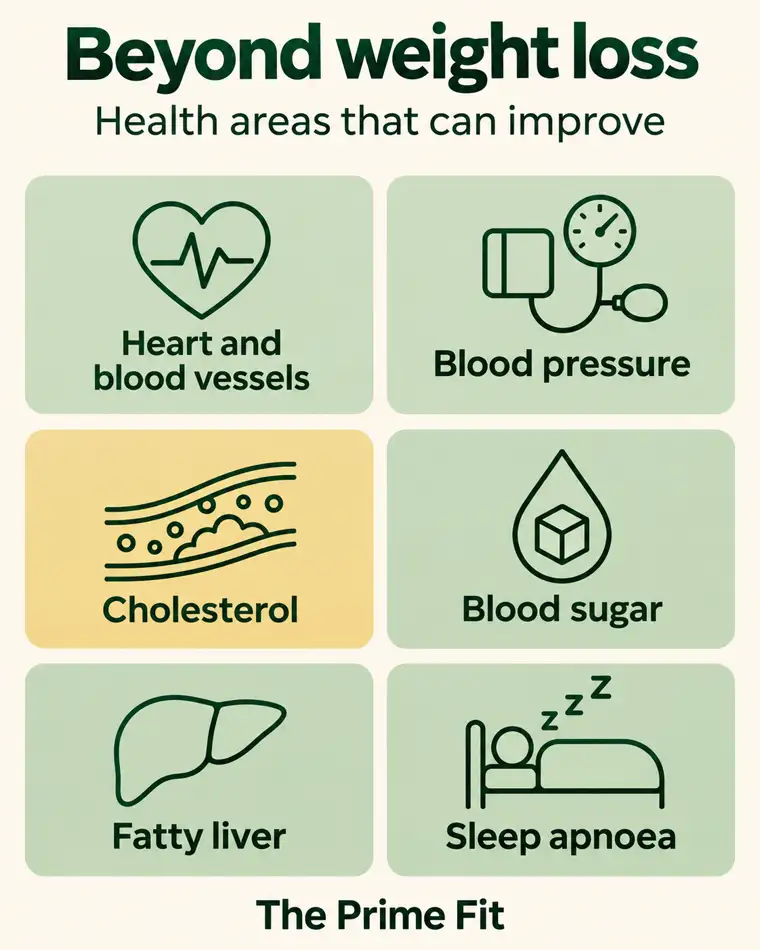
- The benefits at a glance
- The heart and blood vessels
- Blood pressure
- Cholesterol and triglycerides
- Blood sugar: treating and preventing type 2 diabetes
- Fatty liver disease
- Obstructive sleep apnoea
- The kidneys
- Heart failure with preserved ejection fraction
- Joints: knee osteoarthritis
- PCOS and reproductive health
- Inflammation and overall wellbeing
- What is promising but not proven
- Benefits depend on staying well nourished and active
- Balancing benefits against risks
- Who stands to gain the most?
- How the benefits are monitored
- A realistic example
- When do the benefits appear?
- Why this matters especially in India
- Questions to ask your healthcare provider
- Common myths
- How The Prime Fit measures what matters
- Frequently asked questions
When people talk about Wegovy, Ozempic (semaglutide) or Mounjaro (tirzepatide), they usually talk about kilograms. Healthcare professionals increasingly talk about something else: what happens to the heart, liver, kidneys, blood sugar and joints when excess weight is treated effectively. Over the past few years, large clinical trials have tested these medicines for outcomes that matter far more than a number on the scale, such as heart attacks, progression to diabetes and liver inflammation.
The results are the main reason obesity is now treated as a chronic disease that deserves medical treatment, and not as a cosmetic concern. This guide goes through the evidence organ by organ. It also separates what is established from what is still being studied, because enthusiasm online often runs ahead of the science.
It is general information. The benefits described come from trials in specific groups of people, and they do not guarantee the same result for any individual. Treatment decisions should be made with your healthcare provider.
Why losing weight improves health, and what the medicines add
Excess body fat, particularly fat around the abdominal organs, is not inert. It releases hormones and inflammatory signals, raises blood pressure, makes the body resistant to insulin, loads the joints and narrows the airway during sleep. Reducing that fat reverses many of these effects. This is true however the weight is lost.
GLP-1 medicines contribute in two ways:
- Through weight loss. They produce larger and more sustained weight loss than lifestyle measures alone, so the benefits that depend on weight loss are larger too.
- Through direct effects. GLP-1 receptors are found in the pancreas, heart, blood vessels, kidneys and brain. The medicines improve insulin release, reduce inflammation and appear to have protective effects on blood vessels that are partly independent of weight. In the major heart trial, benefits began to appear before much weight had been lost.
The benefits at a glance
| Area | What trials have shown | Strength of evidence |
|---|---|---|
| Heart attack and stroke | Fewer major cardiovascular events in people with obesity and existing heart disease (semaglutide) | Strong: large outcome trial |
| Type 2 diabetes control | Lower HbA1c, less need for other medicines | Strong |
| Prevention of diabetes | Far fewer people with prediabetes progressing to diabetes | Strong |
| Blood pressure | Modest reduction | Consistent across trials |
| Cholesterol and triglycerides | Lower triglycerides; modest improvement in other lipids | Consistent |
| Fatty liver disease | Less liver fat; resolution of liver inflammation in many patients | Strong and growing |
| Obstructive sleep apnoea | Fewer breathing interruptions during sleep (tirzepatide) | Strong: dedicated trials |
| Kidney disease in diabetes | Slower decline in kidney function (semaglutide) | Strong: outcome trial |
| Heart failure with preserved ejection fraction | Better symptoms and physical function | Good |
| Knee osteoarthritis | Less pain, better function | Good |
| PCOS | More regular cycles and improved metabolic markers with weight loss | Moderate: smaller studies |
| Alcohol and other cravings | Reduced craving in early studies | Early; not an approved use |
| Dementia | No benefit shown in dedicated Alzheimer’s trials so far | Not supported |
The heart and blood vessels
The landmark evidence comes from a trial of more than 17,000 adults with overweight or obesity who already had cardiovascular disease but did not have diabetes. Over about three years, weekly semaglutide 2.4 mg reduced the combined risk of heart attack, stroke and death from cardiovascular causes by about 20 percent compared with placebo. Earlier trials in people with type 2 diabetes had already shown fewer cardiovascular events with several medicines in this class.
Two points are worth understanding. First, the benefit appeared within months, earlier than weight loss alone would explain, which suggests direct effects on blood vessels and inflammation. Second, the trial was in people with existing heart disease. Whether the same protection applies to people without heart disease is expected but not yet proven to the same standard. Large outcome trials of tirzepatide are in progress or recently reported, and your healthcare provider can update you on the latest results.
What this means in practice
If you have had a heart attack, stroke, stent or bypass and you also have excess weight, a GLP-1 medicine may be recommended partly for heart protection, alongside your statin, blood pressure medicines and other treatment. It does not replace them.
Blood pressure
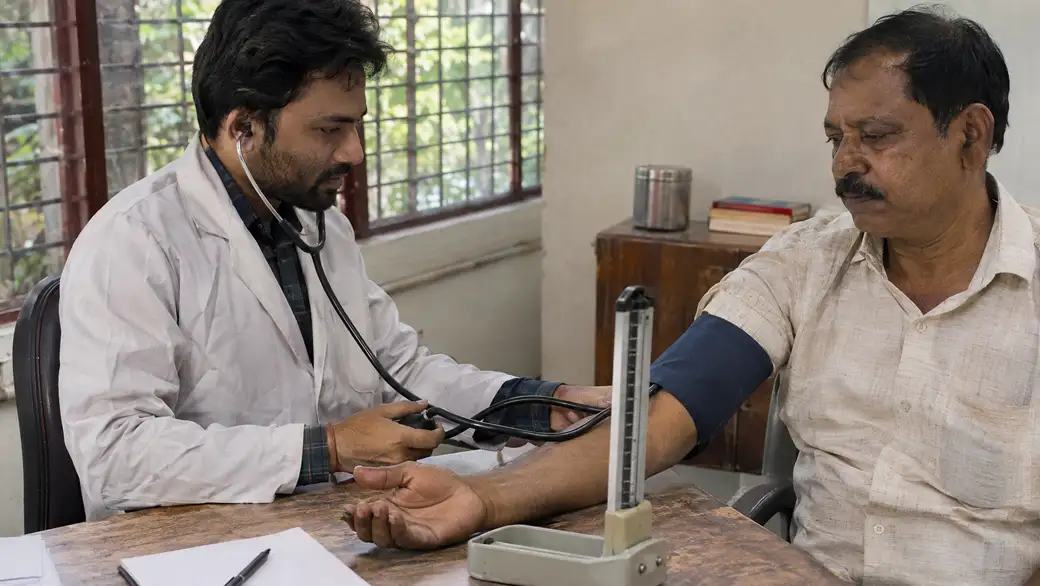
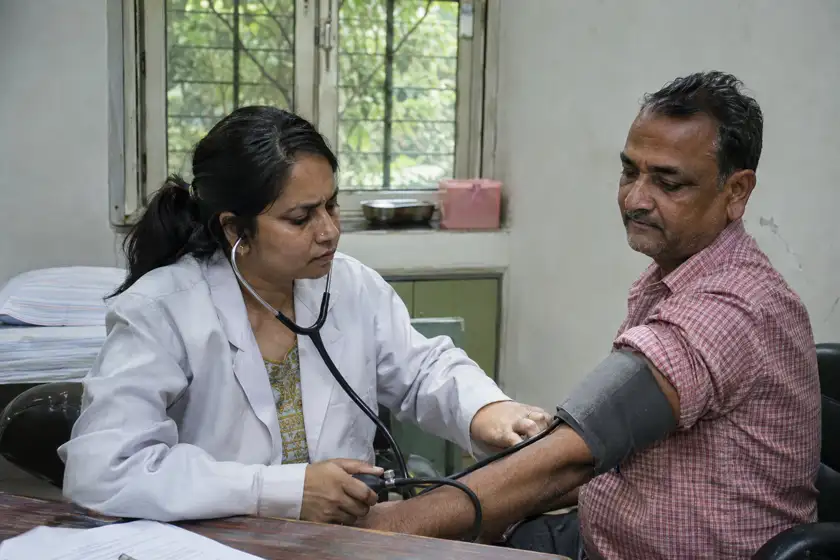
Across the weight-management trials, systolic blood pressure, the upper number, fell by roughly 5 to 7 mmHg on average, and more in people who started with high readings. The size of the fall generally tracks the amount of weight lost. A reduction of this size is clinically useful: at a population level, a 5 mmHg lower systolic pressure is associated with about 10 percent fewer major cardiovascular events.
The practical consequence is that blood pressure medicines sometimes need to be reduced as weight falls. Dizziness on standing, light-headedness or unusual tiredness should prompt a blood pressure check and a review of your tablets.
Cholesterol and triglycerides
Triglycerides fall meaningfully with these medicines, often by 15 to 25 percent, in line with weight loss and better insulin sensitivity. LDL cholesterol, the main target for preventing heart disease, improves only modestly, and HDL changes little. For this reason, GLP-1 treatment does not replace a statin in people who need one. High triglycerides are particularly common in Indians, so this benefit is relevant, and it also lowers the risk of pancreatitis caused by very high triglyceride levels.
Blood sugar: treating and preventing type 2 diabetes
In people with type 2 diabetes
These medicines were developed for diabetes, and they are among the most effective treatments available. In trials, HbA1c fell by roughly 1.5 to 2.5 percentage points depending on the medicine and dose, with a low risk of hypoglycaemia when used without insulin or sulfonylureas. Many people are able to reduce or stop other diabetes medicines. When substantial weight loss is achieved early in the disease, some reach remission, meaning blood sugar in the non-diabetic range without glucose-lowering medicines, although continued weight control is needed to maintain it.
In people with prediabetes
The prevention results are striking. In a three-year study of adults with obesity and prediabetes, those taking tirzepatide were more than 90 percent less likely to develop type 2 diabetes than those on placebo. In a trial of semaglutide 2.4 mg in people with prediabetes, about four in five returned to normal blood sugar levels within a year. India has one of the largest populations with diabetes and prediabetes in the world, and Indians develop diabetes at lower body weights, so this may be among the most important benefits for Indian patients.
Blood sugar tends to rise again if treatment is stopped and weight returns, so prevention depends on sustained weight control.
Fatty liver disease
Metabolic dysfunction-associated fatty liver disease, previously called non-alcoholic fatty liver disease, affects a large proportion of people with obesity or type 2 diabetes. In some, fat in the liver leads to inflammation and scarring, a stage known as steatohepatitis, which can progress to cirrhosis.
Weight loss is the central treatment: around 7 to 10 percent loss reduces liver fat and inflammation. GLP-1 medicines make that degree of loss achievable for many more people. In trials using liver biopsies, semaglutide 2.4 mg led to resolution of steatohepatitis without worsening of scarring in roughly six in ten patients, compared with about a third on placebo, and scarring improved in more patients than with placebo. Tirzepatide has shown similar or greater rates of resolution in its own trial. On the strength of such results, semaglutide has been approved in some countries for steatohepatitis with moderate to advanced scarring.
Liver enzymes such as ALT often fall within a few months of starting treatment. Avoiding alcohol remains essential, because alcohol adds a second source of liver injury.
Obstructive sleep apnoea
In obstructive sleep apnoea, the airway repeatedly narrows or closes during sleep, causing loud snoring, pauses in breathing, poor sleep and daytime sleepiness. It raises blood pressure and cardiovascular risk, and it is closely linked to excess weight, especially around the neck and abdomen.
In year-long trials of adults with obesity and moderate to severe sleep apnoea, tirzepatide reduced the number of breathing interruptions by about 25 to 29 events per hour, roughly a halving or more from the starting level, compared with small changes on placebo. A substantial proportion of participants improved to the point where their apnoea was mild or resolved. Blood pressure and markers of inflammation also improved. Tirzepatide has since been approved for this indication in some countries.
If you use a CPAP machine, do not stop it on your own as you lose weight. A repeat sleep study is needed to decide whether the pressure can be reduced or the machine stopped.
The kidneys
Diabetes and high blood pressure are the leading causes of chronic kidney disease. In a dedicated trial in people with type 2 diabetes and kidney disease, weekly semaglutide reduced the risk of major kidney outcomes, such as kidney failure or a large decline in kidney function, by about a quarter, and also reduced cardiovascular events and deaths. Reductions in urinary albumin, a marker of kidney damage, have been seen across the class.
One caution applies. Severe vomiting or diarrhoea can cause dehydration, which may temporarily harm the kidneys. Staying hydrated and reporting persistent vomiting protects the kidneys during treatment.

Heart failure with preserved ejection fraction
This common form of heart failure, in which the heart pumps normally but is stiff, is strongly associated with obesity. It causes breathlessness, swelling and exercise intolerance, and until recently had few effective treatments. In trials of people with this condition and obesity, semaglutide 2.4 mg improved symptoms, physical limitations and walking distance compared with placebo, and tirzepatide reduced the combined risk of worsening heart failure events. These medicines are now part of the conversation for suitable patients, under cardiology guidance.
Joints: knee osteoarthritis
Every kilogram of body weight places several kilograms of load on the knee with each step, and fat tissue also releases inflammatory substances that affect cartilage. In a trial of adults with obesity and knee osteoarthritis, semaglutide 2.4 mg produced substantially greater reductions in pain and improvements in physical function over about 16 months than placebo, alongside weight loss of around 14 percent. Many patients report that walking, climbing stairs and exercising become possible again, which in turn supports further weight control. Strengthening the thigh and hip muscles remains essential.
PCOS and reproductive health
In women with polycystic ovary syndrome and excess weight, weight loss of 5 to 10 percent often restores regular ovulation and improves insulin resistance and androgen levels. Smaller studies of GLP-1 medicines in PCOS show weight loss, more regular cycles and better metabolic markers, sometimes more than with metformin alone. These medicines are not licensed specifically for PCOS and must not be used when trying to conceive or during pregnancy. Because fertility can improve quickly, reliable contraception is needed during treatment.
Inflammation and overall wellbeing
C-reactive protein, a blood marker of inflammation linked with cardiovascular risk, falls substantially on these medicines, often by a third or more. In quality-of-life questionnaires used in trials, participants reported better physical functioning, more energy and greater confidence in daily activities. Many patients describe relief from constant thoughts about food, which they find as valuable as the weight loss itself.
Mood needs individual attention. Regulators have reviewed reports of low mood and suicidal thoughts and have not found evidence that these medicines cause them, but anyone who notices a change in mood should tell their healthcare provider promptly.
What is promising but not proven
| Claim | Where the evidence stands |
|---|---|
| Reduced alcohol, smoking or other addictive behaviours | Early trials and observational data suggest reduced craving. Larger trials are under way. Not an approved use |
| Lower cancer risk | Obesity raises the risk of several cancers, and observational studies link GLP-1 use with lower rates of some. This cannot yet prove cause and effect |
| Protection against dementia | Observational studies raised hopes, but large trials of semaglutide in early Alzheimer’s disease did not show that it slowed decline |
| Parkinson’s disease | Mixed results from small trials; unproven |
| Longer life in people without existing disease | Plausible, given improvements in risk factors, but not yet demonstrated directly |
| “Anti-ageing” effects | Marketing, not medicine |
It is reasonable to be hopeful about ongoing research, and equally reasonable to make treatment decisions on what has been shown.
Benefits depend on staying well nourished and active
The trials that produced these results combined medication with dietary advice and physical activity. Three things determine whether the benefits are fully realised:
- Preserving muscle. Adequate protein and resistance exercise ensure the weight lost is mainly fat. Muscle loss undermines blood sugar control, strength and long-term weight maintenance.
- Diet quality. Eating less of a poor diet is not the same as eating well. Vegetables, pulses, whole grains, fruit and healthy fats contribute independently to heart and liver health.
- Continuing treatment and follow-up. Most benefits fade if the medicine is stopped and weight returns. Blood pressure, lipids and blood sugar tend to drift back towards their starting levels.
Balancing benefits against risks
No medicine is free of risk. The common side effects of GLP-1 medicines are digestive: nausea, constipation, diarrhoea and vomiting, mainly around dose increases. Uncommon but important risks include gallbladder problems and pancreatitis, and the medicines are not suitable for people with a personal or family history of medullary thyroid carcinoma or MEN 2, or during pregnancy. For people with obesity and related conditions, the balance of evidence strongly favours treatment. For people at a healthy weight without those conditions, the benefits described here have not been shown, and the balance is different. That is why eligibility criteria exist.
Who stands to gain the most?
- People with obesity and established cardiovascular disease
- People with type 2 diabetes or prediabetes and excess weight
- People with fatty liver disease, especially with inflammation or early scarring
- People with obstructive sleep apnoea
- People with diabetic kidney disease
- People with knee osteoarthritis limited by weight
- People with heart failure with preserved ejection fraction and obesity
- Indians with central obesity and a strong family history of diabetes or heart disease, who face higher risk at lower BMI
How the benefits are monitored
Good treatment measures health, not only weight. Typical monitoring includes:
| Measure | What it shows | How often (typical) |
|---|---|---|
| Weight, waist, body composition | Fat loss and muscle preservation | Every visit; composition every 2 to 3 months |
| Blood pressure and pulse | Cardiovascular response; need to adjust medicines | Every visit |
| HbA1c and fasting glucose | Diabetes control or prevention | Every 3 to 6 months |
| Lipid profile | Triglycerides and cholesterol | Every 6 to 12 months |
| Liver enzymes; ultrasound or elastography if indicated | Fatty liver response | Every 6 to 12 months |
| Kidney function and urine albumin | Kidney protection, particularly in diabetes | Every 6 to 12 months |
| Sleep assessment | Improvement in apnoea; CPAP needs | As advised |
| Symptoms and function | Pain, breathlessness, energy, mobility | Every visit |
The exact schedule depends on your conditions. Seeing these numbers improve is often more motivating than the scale.
A realistic example
Consider a 52-year-old man weighing 96 kg with a waist of 108 cm, prediabetes, blood pressure of 148/92 on one tablet, raised triglycerides, a fatty liver on ultrasound and loud snoring. After a year of treatment with structured nutrition and strength training, an average response might be a loss of 15 to 18 kg, a waist of about 95 cm, normal blood sugar, blood pressure near 128/82, lower triglycerides and liver enzymes, quieter sleep and more energy. He would still need his reviews, his statin if prescribed, and continued treatment to hold these gains. This illustration is based on average trial results and is not a prediction for any individual.

When do the benefits appear?
| Timeframe | What usually improves |
|---|---|
| First 1 to 3 months | Blood sugar after meals, appetite and cravings, early fall in blood pressure, energy |
| 3 to 6 months | HbA1c, triglycerides, liver enzymes, waist size; snoring and sleep quality begin to improve; knee pain eases as weight falls |
| 6 to 12 months | Larger changes in blood pressure and lipids; liver fat; sleep apnoea severity; physical function and stamina |
| 1 to 3 years | Reduction in cardiovascular events, progression to diabetes and kidney decline, as shown in outcome trials with continued treatment |
The early changes are the ones you will notice. The later ones, fewer heart attacks and less kidney damage, are the ones you will never see, which is exactly the point of prevention.
Why this matters especially in India
Indians develop type 2 diabetes, fatty liver and heart disease earlier in life and at lower body weights than many other populations. A person may look only moderately overweight yet carry a large amount of fat around the abdominal organs, with high triglycerides, low HDL cholesterol and insulin resistance. Heart attacks occur about a decade earlier on average. For this reason, waist size and blood tests often reveal more risk than BMI alone, and the metabolic benefits of treating excess weight are likely to be at least as relevant for Indian patients as for those studied in international trials. Most trial participants were not South Asian, so Indian data are still accumulating, and treatment decisions should be individualised.
Questions to ask your healthcare provider
- Which of my conditions is most likely to improve with treatment, and by how much?
- Which tests will we use to track my progress, and how often?
- Will my blood pressure, diabetes or cholesterol medicines need to change as I lose weight?
- Do I need a sleep study, a liver scan or a heart check before or during treatment?
- How long would I need to continue treatment to keep these benefits?
Common myths
“These are cosmetic injections”
The evidence for reduced heart attacks, diabetes prevention, liver and kidney protection shows they are treatments for disease.
“The benefits come only from eating less”
Weight loss explains much of the benefit, but direct effects on blood vessels, inflammation and insulin also contribute.
“Once my tests are normal, I can stop”
Improvements generally depend on maintained weight loss. Stopping usually reverses them over time.
“If they protect the heart, I can stop my other medicines”
They add to statins and blood pressure treatment. Changes should be made only by your healthcare provider.
“They prevent dementia and cancer”
These claims are not established. Trials in Alzheimer’s disease have not shown benefit so far.
How The Prime Fit measures what matters
At The Prime Fit, treatment targets are set for your health as well as your weight. Your healthcare provider reviews blood pressure, blood sugar, lipids and liver tests at baseline and at intervals, adjusts your other medicines as you improve, and coordinates with your cardiologist or other specialists where needed. Your dietitian builds a plan that protects muscle and improves diet quality, with weekly follow-up.
To understand what treatment could do for your health, book a consultation or read about our GLP-1 therapy diabetes programme and fatty liver programme.
Frequently asked questions
Do GLP-1 medicines protect the heart?
In a large trial of people with overweight or obesity and existing cardiovascular disease, semaglutide 2.4 mg reduced heart attacks, strokes and cardiovascular deaths by about 20 percent. Benefits have also been shown in people with type 2 diabetes.
Can they prevent type 2 diabetes?
Yes, in people with obesity and prediabetes. In a three-year trial, tirzepatide reduced progression to diabetes by more than 90 percent. The effect depends on maintaining weight loss.
Do they help fatty liver?
Yes. They reduce liver fat, and in biopsy trials they resolved liver inflammation in a majority of treated patients. Avoiding alcohol and maintaining weight loss remain important.
Will my blood pressure improve?
On average, systolic blood pressure falls by about 5 to 7 mmHg, and more with greater weight loss. Your healthcare provider may need to reduce your blood pressure tablets.
Do they lower cholesterol?
They lower triglycerides noticeably and LDL cholesterol only modestly. They do not replace statins.
Can they cure sleep apnoea?
Tirzepatide roughly halved breathing interruptions in trials, and some people improved enough that their apnoea became mild or resolved. Do not stop CPAP without a repeat sleep study.
Are they good or bad for the kidneys?
In people with diabetes and kidney disease, semaglutide slowed kidney decline. Dehydration from severe vomiting can harm the kidneys temporarily, so fluids matter.
Do the benefits last if I stop?
Most benefits lessen as weight returns after stopping. Long-term treatment at the lowest effective dose, with healthy habits, maintains them.
Do they reduce the risk of cancer or dementia?
This is not established. Observational studies are suggestive for some cancers, but trials in Alzheimer’s disease have not shown benefit.
I am not overweight. Would I get these benefits?
The benefits were shown in people with obesity, overweight with related conditions, or diabetes. They have not been demonstrated in people at a healthy weight, and the medicines are not recommended for them.
This article is general information and is not a substitute for a consultation. Trial results are averages in specific groups and do not predict individual outcomes. Do not start, stop or change any medicine without your healthcare provider’s advice.