In this article
- The gallbladder and pancreas: a short introduction
- Part 1: Gallstones and gallbladder disease
- Part 2: Pancreatitis
- Telling ordinary side effects from warning signs
- How these conditions are diagnosed and treated
- What happens to your GLP-1 treatment afterwards?
- How to lower your risk
- Why this matters in India
- A sample day that is kind to the gallbladder
- Two illustrative cases
- Putting the risk in perspective
- Other rare digestive problems to know about
- Questions to ask your healthcare provider
- Common myths
- How The Prime Fit manages these risks
- Frequently asked questions
Most side effects of GLP-1 medicines such as Mounjaro (tirzepatide), Wegovy and Ozempic (semaglutide) are digestive, mild and short-lived. Two less common problems appear on every safety leaflet and cause understandable concern: gallstones and other gallbladder disease, and inflammation of the pancreas, called pancreatitis.
It helps to keep the scale of these risks in view. In clinical trials, gallbladder problems affected a small percentage of participants, somewhat more than in the placebo groups. Pancreatitis was rare, affecting a fraction of one percent. Neither is a reason for most people to avoid treatment, but both deserve respect, because early recognition makes a real difference.
This guide explains what the gallbladder and pancreas do, how weight loss and GLP-1 medicines affect them, who is at higher risk, the symptoms to act on, and practical steps that lower the risk. It is general information. Severe abdominal pain always needs prompt medical assessment.
The gallbladder and pancreas: a short introduction
The liver makes bile, a fluid that helps digest fat. The gallbladder is a small pouch under the liver that stores and concentrates bile between meals. When you eat, particularly food containing fat, the gallbladder squeezes and releases bile through the bile duct into the intestine.
The pancreas lies behind the stomach. It makes digestive enzymes, which flow through a duct that joins the bile duct before entering the intestine, and hormones including insulin. Because the two ducts share an exit, a gallstone that slips out of the gallbladder can block the pancreatic duct. This is why gallstones are the most common cause of acute pancreatitis.
Part 1: Gallstones and gallbladder disease
What gallstones are
Gallstones are hard deposits that form when bile contains too much cholesterol or when the gallbladder does not empty well. They are common: roughly one adult in ten has them, and most never know. Gallstones are more frequent in women, with increasing age, with obesity, and in parts of North India. The great majority remain silent and need no treatment.
Problems arise when a stone blocks the outlet of the gallbladder or the bile duct. The main conditions are:
- Biliary colic: episodes of pain when a stone temporarily blocks the gallbladder outlet.
- Cholecystitis: inflammation of the gallbladder, with persistent pain and fever.
- Bile duct stones: can cause jaundice and infection.
- Gallstone pancreatitis: when a stone blocks the pancreatic duct.
Why weight loss raises the risk
Rapid weight loss by any method increases gallstone formation. This has been known for decades from very low-calorie diets and bariatric surgery, where a substantial proportion of patients develop new stones in the first year. Two things happen:
- Bile becomes richer in cholesterol. As body fat is broken down, the liver releases extra cholesterol into bile, which can crystallise.
- The gallbladder empties less. Eating less, and especially eating very little fat, means the gallbladder is not stimulated to contract, so bile sits and concentrates.
What GLP-1 medicines add
GLP-1 medicines contribute through the weight loss they produce. There may also be a direct effect: studies suggest they can reduce gallbladder contraction. A large pooled analysis of randomised trials found that GLP-1 medicines were associated with a higher risk of gallbladder and biliary disease than comparison treatments, and that the increase was greater at higher doses, with longer treatment, and when the medicines were used for weight loss rather than for diabetes.
| Finding | Approximate figures |
|---|---|
| Gallbladder-related problems with semaglutide 2.4 mg in the main weight-management trial | About 2 to 3 in 100 on treatment, against about 1 in 100 on placebo |
| Gallstones specifically in that trial | Just under 2 in 100, against under 1 in 100 on placebo |
| Gallbladder inflammation with tirzepatide in its main trial | Well under 1 in 100 |
| Pooled analysis of many trials | Roughly a one-third higher relative risk overall; about double in trials for weight loss |
In absolute terms, the extra risk is small: out of 100 people treated for a year or more, one or two more may develop a gallbladder problem than would have otherwise. Most of these are treatable without lasting harm.
Who is at higher risk of gallbladder problems?
- Women, particularly during the reproductive years and after several pregnancies
- Age over 40
- A family history of gallstones
- Known gallstones, even if silent
- Very rapid weight loss, more than about 1.5 kg a week
- Larger total weight loss
- Very low-calorie or very low-fat eating, long gaps between meals and prolonged fasting
- Higher doses and longer duration of treatment
- Diabetes, high triglycerides and fatty liver
- Oestrogen-containing medicines
Symptoms of a gallbladder problem
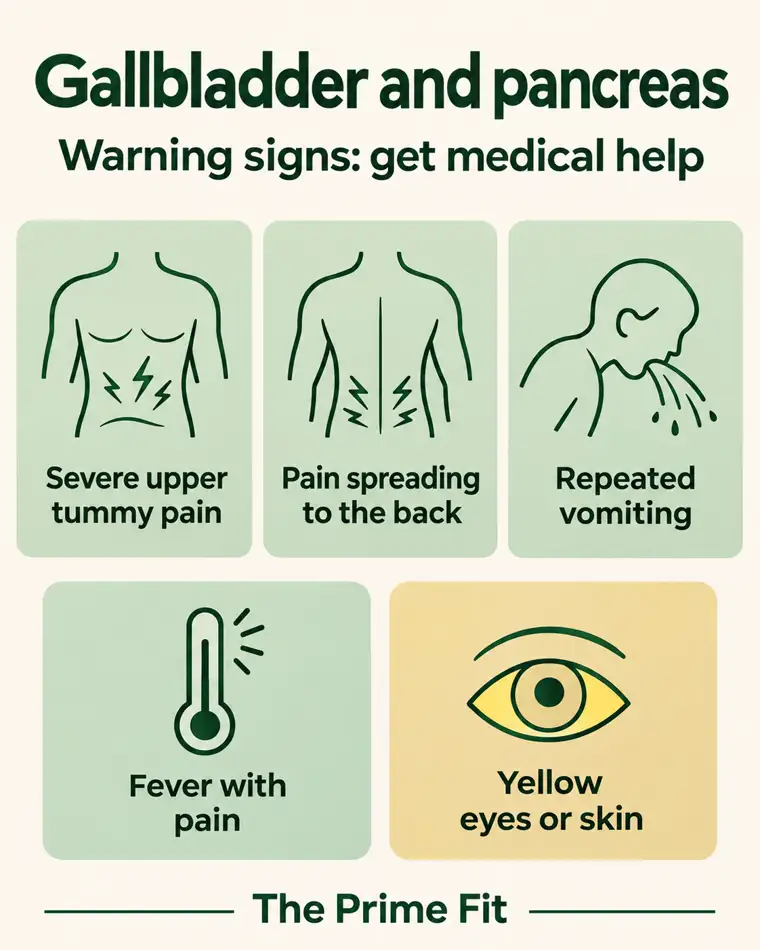
- Pain in the upper right or upper middle of the abdomen, often starting within an hour or two of a meal, especially a rich one
- Pain that is steady, not crampy, lasts from 30 minutes to several hours, and may spread to the back or the right shoulder blade
- Nausea or vomiting with the pain
- Fever or shivering, which suggests inflammation or infection
- Yellowing of the eyes or skin, dark urine, pale stools or itching, which suggest a blocked bile duct
Part 2: Pancreatitis
What it is
Acute pancreatitis is sudden inflammation of the pancreas. Digestive enzymes become active inside the gland and irritate it. Most cases are mild and settle within a few days in hospital with fluids and pain relief. A minority are severe and can be life-threatening.
The common causes in the general population are gallstones and alcohol, followed by very high triglycerides, certain medicines, and less often other conditions.
What the evidence shows for GLP-1 medicines
Pancreatitis has been reported in people taking GLP-1 medicines, and the prescribing information for every medicine in the class carries a warning. The size of the risk is still debated:
- In the large randomised trials, acute pancreatitis was rare, in the range of about 2 in 1,000 participants or fewer, and the rate was similar to, or only slightly higher than, placebo.
- Pooled analyses of randomised trials have generally not found a clear, statistically significant increase.
- Some studies of everyday prescribing have reported a higher rate with GLP-1 medicines than with other weight-loss medicines, while others have not. Such studies cannot fully separate the effect of the medicine from the effects of obesity, diabetes, gallstones and rapid weight loss, all of which raise the risk on their own.
- Long-term data have not shown an increased risk of pancreatic cancer.
The practical position is cautious: pancreatitis is a rare possibility that patients should know about, people with previous pancreatitis are usually advised against these medicines, and anyone who develops it should stop treatment.
Who is at higher risk of pancreatitis?
- A previous episode of pancreatitis
- Gallstones
- Regular or heavy alcohol use
- Very high triglycerides, particularly above about 500 mg/dL
- Smoking
- Poorly controlled diabetes
- Certain other medicines
Symptoms of pancreatitis
- Severe pain in the upper middle of the abdomen that comes on over minutes to hours and does not ease
- Pain that often goes through to the back and may feel better leaning forward
- Repeated vomiting that does not relieve the pain
- A tender, swollen abdomen
- Fever, a fast pulse, or feeling very unwell
If you have these symptoms
Do not take your next injection. Go to an emergency department or see a healthcare professional the same day, and say that you are taking a GLP-1 medicine. Do not wait to see whether it passes, and do not treat it as acidity.
Telling ordinary side effects from warning signs
Nausea, fullness and mild abdominal discomfort are common on these medicines, which makes it harder to know when to worry. The pattern of the pain is the best guide.
| Usual GLP-1 digestive effects | Possible gallbladder problem | Possible pancreatitis | |
|---|---|---|---|
| Where | General fullness, upper abdomen | Upper right or centre, may spread to right shoulder or back | Upper centre, often through to the back |
| How it feels | Bloating, queasiness, mild cramps | Steady, intense ache | Severe, constant, often the worst pain experienced |
| How long | Comes and goes; eases within hours | 30 minutes to several hours; may recur | Persistent for hours to days |
| Trigger | Large or oily meals, dose increases | Often after a fatty meal | May follow a heavy meal or alcohol, or come on without warning |
| Vomiting | Occasional; brings relief | May occur | Repeated; no relief |
| Other signs | None | Fever, jaundice, dark urine | Fever, fast pulse, looking unwell |
| What to do | Smaller, lighter meals; tell your healthcare provider if persistent | See a healthcare professional promptly; urgently if fever or jaundice | Emergency assessment; stop the injection |
How these conditions are diagnosed and treated
Gallbladder disease
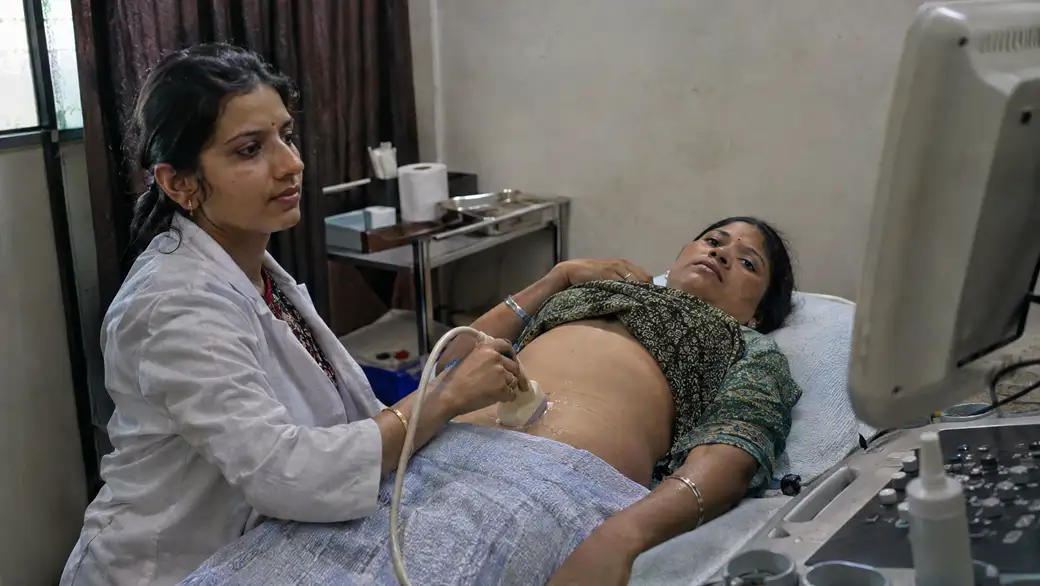
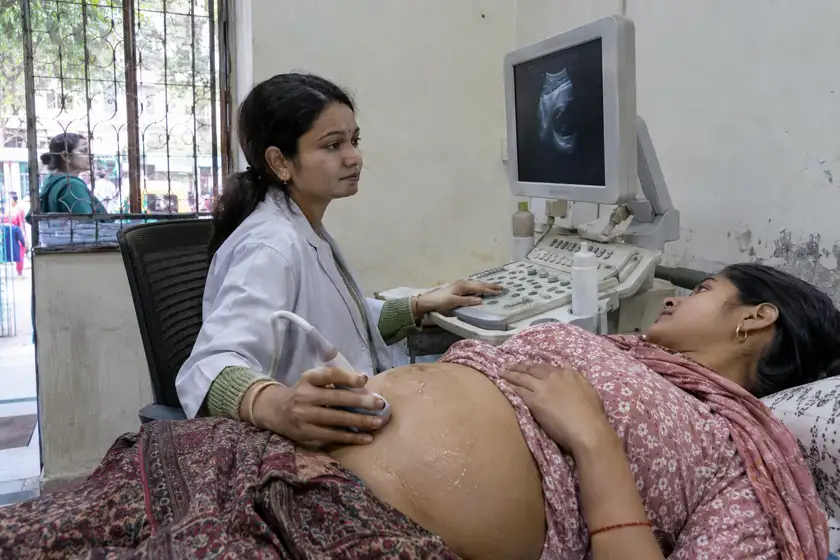
An ultrasound of the abdomen shows stones and inflammation, and blood tests check liver function and signs of infection. Silent stones found by chance usually need no treatment. Repeated biliary colic or cholecystitis is generally treated by removing the gallbladder with keyhole surgery, a common and safe operation, after which people digest food normally. Stones in the bile duct are removed with an endoscopic procedure.
Pancreatitis
Diagnosis rests on the typical pain, a blood lipase or amylase level more than three times the upper limit of normal, and imaging. Treatment is in hospital, with intravenous fluids, pain relief and careful monitoring, and treatment of the cause, for example removing gallstones later.
One point often causes confusion. GLP-1 medicines can raise lipase and amylase levels mildly in people with no symptoms and no pancreatitis. For this reason, routine testing of these enzymes in people who feel well is not recommended, because it leads to unnecessary worry and scans. The tests are for people with symptoms.
What happens to your GLP-1 treatment afterwards?
| Situation | Usual approach |
|---|---|
| Silent gallstones found on a scan | Treatment can usually start or continue, with a steadier pace of weight loss and awareness of symptoms |
| An episode of biliary colic or cholecystitis | Pause and assess. Once the gallbladder has been treated, often by removal, many people can resume treatment on their healthcare provider’s advice |
| Gallbladder already removed | No gallbladder, so no gallstone formation there; treatment is generally suitable. Bile duct stones remain possible but uncommon |
| Confirmed acute pancreatitis | Stop the medicine. It is generally not restarted, and other medicines in the same class are also avoided. Alternative approaches to weight management are discussed |
| Previous pancreatitis, before starting | These medicines are usually avoided; a specialist opinion is needed |
How to lower your risk
1. Lose weight at a steady pace
Aim for about 0.5 to 1 kg a week after the first few weeks. If you are consistently losing more than about 1.5 kg a week, tell your healthcare provider. Holding the dose, or stepping back, slows the pace and lowers the risk.
2. Do not cut fat to zero
The gallbladder needs some fat to empty. A meal with a small amount of fat, roughly 7 to 10 grams, is enough to stimulate it. People who try to control nausea by eating almost no fat for months may raise their gallstone risk. Choose moderate amounts of healthy fats, spread across the day.
| Meal | Easy ways to include a little healthy fat |
|---|---|
| Breakfast | Chilla or upma cooked in 1 teaspoon of oil; 5 to 6 almonds or walnuts; an egg |
| Lunch | Dal with a tadka of 1 teaspoon of oil or ghee; sabzi cooked in moderate oil; curd |
| Snack | A small handful of peanuts or roasted seeds |
| Dinner | Paneer, fish or chicken lightly sautéed; half a teaspoon of ghee on a phulka |
This is not a licence for fried food and heavy gravies, which trigger nausea and, in people with stones, pain. The aim is small amounts regularly, neither feast nor famine.
3. Eat regular meals
Three meals a day keep the gallbladder emptying. Avoid skipping meals and very long fasts. If you observe religious fasts, plan them with your healthcare provider.
4. Include fibre and protein
Vegetables, fruit, pulses and whole grains are associated with a lower risk of gallstones. Adequate protein protects muscle and supports steady weight loss.
5. Limit alcohol
Alcohol is a major cause of pancreatitis and raises triglycerides. If you have had pancreatitis, avoid it completely.
6. Control triglycerides
Have your lipid profile checked before treatment. Very high triglycerides need treatment in their own right. Weight loss, less sugar and refined carbohydrate, less alcohol and, where prescribed, medication all help.
7. Stay hydrated
Aim for 2 to 3 litres of fluid a day unless advised otherwise.
8. Stop smoking
Smoking increases the risk of pancreatitis.
9. Tell your healthcare provider your history
Mention any previous gallstones, gallbladder attacks, jaundice or pancreatitis, a family history of these, and your alcohol intake. An ultrasound before treatment may be suggested if you have symptoms or risk factors.
10. Know the warning signs and act early
Prompt assessment of significant pain prevents complications.
Is there a medicine to prevent gallstones?
After bariatric surgery, a bile-acid medicine called ursodeoxycholic acid is often prescribed for some months to reduce gallstone formation during rapid weight loss. Its routine use alongside GLP-1 medicines has not been established. A healthcare professional may consider it in selected high-risk patients. It should not be taken without medical advice.
Why this matters in India
Gallstones are particularly common in northern and north-eastern India, along the Gangetic plain, and more so in women. Many people in these regions already have silent stones before they begin any weight loss treatment. Indian diets also vary widely in fat: some households cook with a great deal of oil and ghee, while people trying to lose weight often swing to the other extreme and remove fat almost entirely. Neither extreme suits the gallbladder. High triglycerides are also frequent in Indians and are a risk factor for pancreatitis. For these reasons a brief history, a lipid profile and, where there are symptoms or risk factors, an ultrasound before treatment are sensible precautions.
A sample day that is kind to the gallbladder
| Meal | Vegetarian | Non-vegetarian |
|---|---|---|
| Breakfast | 2 moong chillas made with 1 teaspoon of oil, curd, a few almonds | 2-egg vegetable omelette in 1 teaspoon of oil, 1 slice of toast |
| Mid-morning | Fruit such as papaya or guava | Fruit and chaas |
| Lunch | 1 to 2 phulkas, dal with a light tadka, lauki or beans sabzi, salad, curd | Small katori of rice, fish curry cooked in little oil, sabzi, salad |
| Evening | Roasted chana or a small handful of peanuts with tea | Boiled egg with tea |
| Dinner | Paneer and vegetable sabzi, dal, 1 phulka with a touch of ghee | Grilled or lightly sautéed chicken, vegetables, 1 phulka |
Each meal contains a little fat, protein and fibre, portions are modest, and there are no long gaps. Deep-fried snacks, heavy cream gravies and large late dinners are the meals most likely to provoke pain in someone with gallstones.
Two illustrative cases
These examples are invented to show how situations are typically handled. They are not advice for any individual.
Gallbladder pain during rapid weight loss
A 39-year-old woman has lost 14 kg in four months, more quickly than planned, while eating very little and almost no fat. One evening, an hour after a wedding dinner, she develops a steady pain under her right ribs that lasts three hours and spreads to her shoulder. She contacts her healthcare provider the next morning. An ultrasound shows gallstones without inflammation. Her dose is held, her meals are restructured with regular timing and moderate fat, and she is referred to a surgeon. After keyhole removal of the gallbladder, she resumes treatment at a steadier pace.
Severe pain that was not acidity
A 51-year-old man with high triglycerides who drinks regularly develops severe central abdominal pain going through to his back, with repeated vomiting, on a Saturday night. He assumes it is acidity but, remembering the warning he was given, goes to hospital. Blood tests and a scan confirm acute pancreatitis. He recovers after four days of treatment. His injection is stopped permanently, his triglycerides and alcohol use are addressed, and his weight is managed by other means.
Putting the risk in perspective
It is easy to focus on rare risks and lose sight of what is being treated. Obesity itself increases the risk of gallstones and of pancreatitis, and it greatly increases the risk of diabetes, heart disease, fatty liver and several cancers. For a person who meets the criteria for treatment, the expected benefits, including fewer heart attacks in those with heart disease and far less progression to diabetes, are considerably larger than the small added risk of a gallbladder problem or the rare risk of pancreatitis.
The balance is different for someone with a history of pancreatitis, or for a person at a healthy weight who does not stand to gain those benefits. That is why assessment before treatment matters.
Other rare digestive problems to know about
- Severe slowing of the stomach (gastroparesis): persistent vomiting of undigested food, early fullness and bloating that do not settle. Report it; the dose may need reducing or stopping.
- Bowel obstruction or ileus: severe bloating, vomiting and inability to pass stool or gas. This is an emergency.
- Dehydration and kidney injury: from prolonged vomiting or diarrhoea. Drink fluids and seek help if you cannot keep them down.
These are uncommon. They are listed so that you can recognise them, not to suggest they are likely.

Questions to ask your healthcare provider
- Do I have risk factors for gallstones or pancreatitis?
- Should I have an ultrasound or a lipid profile before starting?
- What rate of weight loss should I aim for?
- How much fat should my meals contain?
- Which symptoms should make me contact you urgently, and how do I reach you out of hours?
- If I have gallstones already, is treatment still appropriate for me?
Common myths
“These injections destroy the pancreas”
Pancreatitis is rare, and large trials have not shown a clear increase. Long-term studies have not shown more pancreatic cancer.
“If I have gallstones, I can never take them”
Silent gallstones do not rule out treatment. Your healthcare provider will weigh the risk and advise a steady pace.
“A fat-free diet protects the gallbladder”
Very low-fat eating reduces gallbladder emptying and may increase stone formation during weight loss. Small amounts of healthy fat are better.
“Stomach pain on the injection is always just gas”
Usually it is, but severe, persistent pain, especially with vomiting, fever or jaundice, must be assessed.
“Regular lipase tests will keep me safe”
Mild rises are common without disease. Testing is for people with symptoms.
“Removing the gallbladder means I cannot lose weight safely”
People without a gallbladder can be treated, and digest food normally.
How The Prime Fit manages these risks
At The Prime Fit, your history of gallbladder and pancreatic problems, alcohol use and family history is reviewed before treatment, along with your lipid profile and, where indicated, an ultrasound. Doses are increased gradually, with a target rate of weight loss, and your dietitian builds meals with regular timing and sensible amounts of fat. You are told clearly which symptoms need urgent attention and how to reach the team.
To discuss whether treatment is safe for you, book a consultation or read about our GLP-1 therapy programme.
Frequently asked questions
Do GLP-1 medicines cause gallstones?
They are associated with a small increase in gallbladder problems, largely because of the weight loss they produce, and possibly through reduced gallbladder emptying. In trials, a few people in every hundred were affected.
Do they cause pancreatitis?
Pancreatitis has been reported and is listed as a warning, but it is rare. Large randomised trials have not shown a clear increase compared with placebo.
What does gallbladder pain feel like?
A steady pain in the upper right or centre of the abdomen, often after a meal, lasting 30 minutes to several hours, sometimes spreading to the back or right shoulder, with nausea.
What are the warning signs of pancreatitis?
Severe, persistent upper abdominal pain that may go through to the back, with repeated vomiting. Stop the injection and seek emergency care.
Can I take these medicines if I already have gallstones?
Often yes, if the stones are silent. Your healthcare provider will advise a steady pace of weight loss and explain the symptoms to watch for.
Can I take them if my gallbladder has been removed?
Yes, in general. Tell your healthcare provider about your surgical history.
Can I take them if I have had pancreatitis before?
These medicines are usually avoided after pancreatitis. A specialist can advise on alternatives.
How can I reduce my risk of gallstones during weight loss?
Lose weight steadily, eat regular meals, include a small amount of healthy fat at each meal, eat fibre and protein, and avoid crash diets and long fasts.
Should I have regular blood tests for my pancreas?
No, not if you feel well. Enzyme levels can be mildly raised without disease. Tests are done when symptoms occur.
Do GLP-1 medicines cause pancreatic cancer?
Current evidence, including long-term studies and regulatory reviews, has not shown an increased risk.
This article is general information and is not a substitute for a consultation. Severe or persistent abdominal pain needs urgent medical assessment. Do not start, stop or restart a prescription medicine without your healthcare provider’s advice.