In this article
- Why stomach emptying matters during anaesthesia
- How big is the risk?
- What does current guidance say?
- The options your team may use
- Which procedures does this apply to?
- What to tell your experts
- A timeline for a planned procedure
- What a liquid diet looks like
- If you have diabetes
- If the procedure is an emergency
- Endoscopy and colonoscopy: extra points
- Bariatric surgery and other weight-related operations
- Restarting after your procedure
- Eating in the week before a procedure
- Eating for recovery
- Two illustrative examples
- Will pausing undo my progress?
- Other things to mention before surgery
- Warning signs after a procedure
- Questions to ask your surgical team
- Common myths
- How The Prime Fit helps
- Frequently asked questions
If you take a GLP-1 medicine such as Mounjaro (tirzepatide), Wegovy or Ozempic (semaglutide) and have an operation, an endoscopy, a colonoscopy or any procedure under sedation coming up, there is one thing you must do: tell the team looking after you, well in advance. It is a simple step, and it is one that patients often forget, because a weekly injection does not feel like part of the daily medicine list.
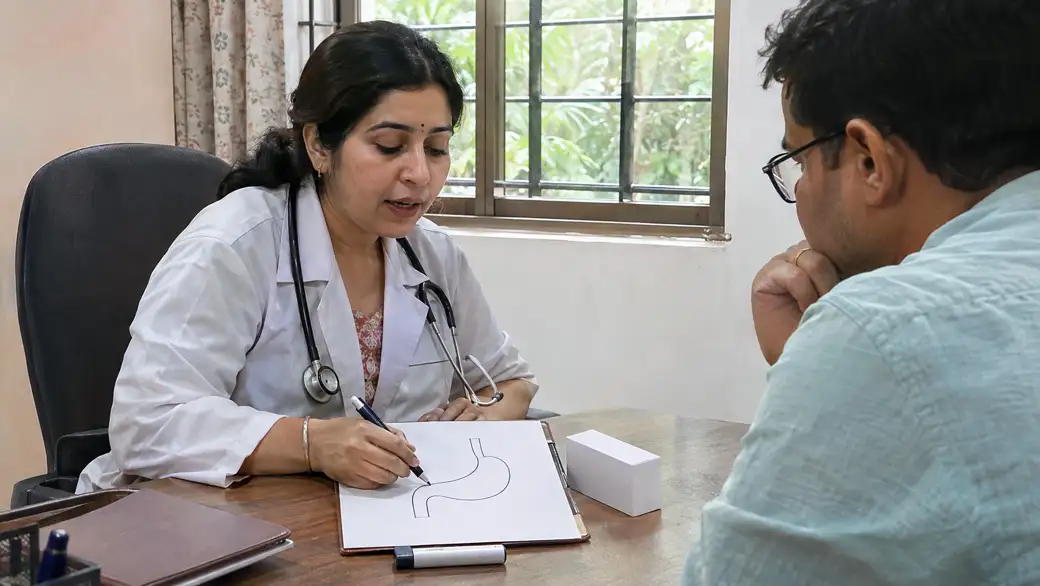
The reason is that these medicines slow the emptying of the stomach. Food and liquid can remain there for longer than usual, sometimes even after the normal period of fasting. During anaesthesia or deep sedation, the body’s protective reflexes are switched off, and stomach contents can come back up and enter the lungs. This is called aspiration, and it can cause serious lung injury.
The risk is small and manageable. Anaesthetists deal with it routinely, provided they know. This guide explains the issue, what professional guidance currently recommends, the questions to ask, and how to restart your medicine afterwards. It is general information. Guidance in this area has been changing, and hospitals differ, so your own surgeon’s and anaesthetist’s instructions take priority.
Why stomach emptying matters during anaesthesia
Normally the stomach empties solids over about four to six hours and clear liquids within about two hours. That is the basis of standard fasting instructions before an operation. When you are awake, a ring of muscle at the top of the stomach and reflexes such as coughing and swallowing prevent anything from entering the windpipe.
Under general anaesthesia or deep sedation these reflexes are lost. If the stomach still contains food or a large volume of fluid, it can passively flow or be vomited up into the throat and then into the lungs. Consequences range from a mild chemical irritation to pneumonia and, rarely, life-threatening breathing failure.
GLP-1 medicines delay gastric emptying as part of how they work. Reports to regulators and published case studies have described people on these medicines who were found to have food in the stomach at endoscopy or during anaesthesia despite fasting for the usual time or longer. Studies using ultrasound or endoscopy have confirmed that retained stomach contents are more common in people taking them.
How big is the risk?
Retained stomach contents are found more often in people on GLP-1 medicines, in some studies several times more often than in those who are not. Actual aspiration, however, remains rare, and large analyses of medical records have produced mixed results on whether it is meaningfully more frequent. The uncertainty is the reason for precautions: the event is uncommon but serious, and simple steps reduce it.
| Factors that increase the chance of a full stomach | Why |
|---|---|
| Recently started treatment, or a recent dose increase | The slowing of the stomach is strongest in the first weeks and after each step up |
| Higher doses | Greater effect on stomach emptying |
| Weekly injections | Long-acting; the effect is continuous through the week |
| Current digestive symptoms | Nausea, vomiting, bloating, reflux, early fullness or constipation suggest delayed emptying |
| Diabetes of long duration | Diabetes itself can slow the stomach |
| Other conditions or medicines that slow the gut | For example Parkinson’s disease, previous stomach surgery, opioid painkillers |
| A large or late meal before fasting | More to empty |
With time on a stable dose, the effect on stomach emptying tends to lessen, particularly with tirzepatide, but it does not disappear reliably enough to ignore.
What does current guidance say?
Advice has evolved quickly as evidence has accumulated, and you may hear different instructions from different sources.
| Stage | Summary of the guidance |
|---|---|
| Early cautionary advice (2023) | Anaesthesia societies suggested withholding weekly GLP-1 injections for one week, and daily ones on the day, before planned procedures; and if significant digestive symptoms were present, considering delaying the procedure or taking full-stomach precautions |
| Later multi-society guidance (from late 2024) | Anaesthesia, gastroenterology and surgical societies jointly advised that most patients can continue their GLP-1 medicine, with an individual assessment of risk. For those at higher risk, options include a liquid diet for about 24 hours beforehand, adjusting anaesthetic technique, or checking the stomach by ultrasound. Stopping can be considered case by case, weighing the risks of interrupting treatment |
| Regulators | Product information now carries a warning about retained stomach contents and aspiration during anaesthesia or deep sedation, and advises patients to tell healthcare professionals before any planned procedure |
In practice, hospitals have adopted their own protocols. Some still ask every patient to omit the dose in the week before. Others continue the medicine and add a liquid diet. Both approaches are reasonable. What matters is that the decision is made deliberately by the team who will anaesthetise you.
The rule that never changes
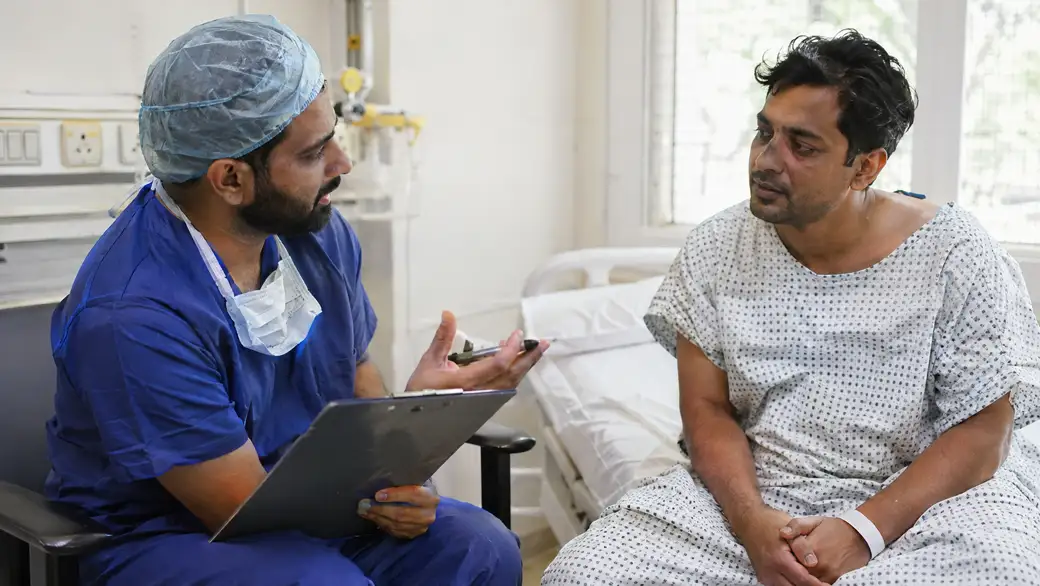
Tell your surgeon, anaesthetist or endoscopist that you take a GLP-1 medicine, which one, the dose, and the date of your last injection. Do this when the procedure is booked, not on the morning.
The options your team may use
| Precaution | What it involves | Points to know |
|---|---|---|
| Pausing the medicine | Omitting the weekly dose due in the week before the procedure, sometimes longer | Because these medicines last a long time, one missed dose reduces but does not remove the effect. People with diabetes need a plan for blood sugar |
| Liquid diet beforehand | Only clear or full liquids for about 24 hours before, as instructed | Reduces solid residue; increasingly preferred because it does not interrupt treatment |
| Longer fasting | A longer gap for solids than the standard six hours | Follow the times given to you; continue clear fluids until the cut-off to avoid dehydration |
| Stomach ultrasound | A quick bedside scan before anaesthesia to see whether the stomach is empty | Not available everywhere |
| “Full stomach” anaesthetic technique | A rapid method of securing the airway with a breathing tube | A standard, safe technique used in emergencies every day |
| Changing the type of anaesthesia | Regional or local anaesthesia with you awake, where suitable | Avoids loss of airway reflexes |
| Postponing | Delaying a non-urgent procedure if you have active vomiting or marked symptoms | Safer than proceeding with a full stomach |
Which procedures does this apply to?
| Procedure | Does it matter? | Notes |
|---|---|---|
| Any operation under general anaesthesia | Yes | Including keyhole surgery, orthopaedic, gynaecological and cosmetic procedures |
| Upper endoscopy (gastroscopy) | Yes | Usually done with sedation; retained food also blocks the view and may mean the test has to be repeated |
| Colonoscopy | Yes | Sedation is used; these medicines have also been linked with poorer bowel preparation, so extra preparation may be advised |
| Procedures under deep sedation | Yes | For example some dental, cardiac, radiology and fertility procedures such as egg collection |
| Spinal or epidural anaesthesia | Tell the team | Lower risk while you are awake, but sedation or conversion to general anaesthesia is always possible |
| Local anaesthetic only | Generally no | For example a dental filling, mole removal or cataract surgery under drops. Still mention your medicines |
| Emergency surgery | Yes | There is no time to prepare; the anaesthetist treats you as having a full stomach |
| Scans without sedation | No | Unless fasting is required for other reasons |
What to tell your experts
- The name of your medicine and whether it is weekly or daily
- Your current dose, and whether it was increased in the last four weeks
- How long you have been on it
- The date of your last injection and when the next is due
- Any digestive symptoms now: nausea, vomiting, bloating, reflux, early fullness, constipation
- Whether you have diabetes, and your other diabetes medicines
- Other medicines and supplements, including blood thinners and painkillers
- Previous problems with anaesthesia, reflux or a hiatus hernia
- Any chance of pregnancy
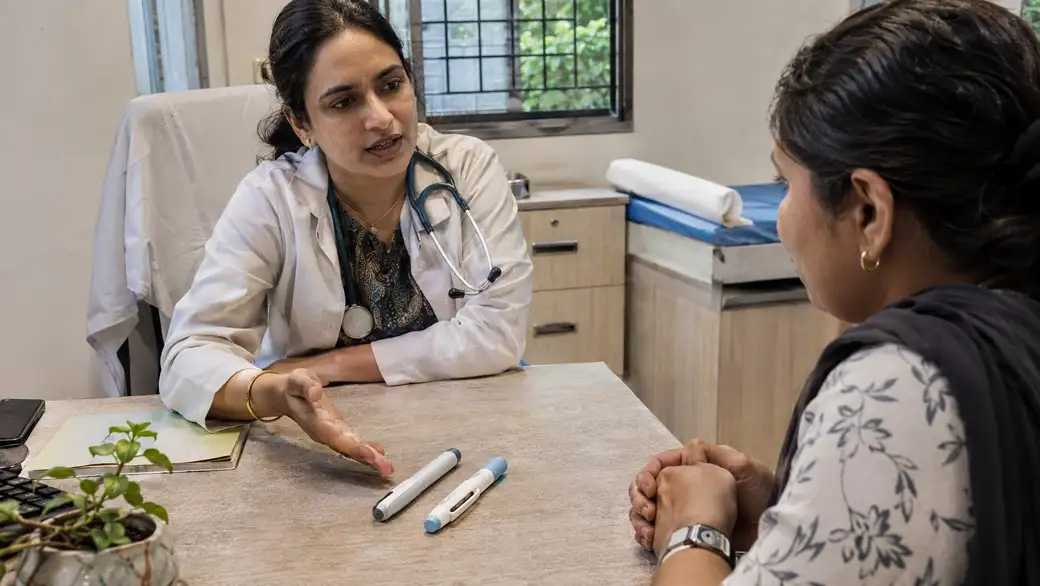
Write these down and take the list, along with the pen or its carton, to your pre-operative appointment. If you obtained your medicine without a prescription, say so anyway. The team needs the information to keep you safe, not to judge you.
A timeline for a planned procedure
| When | What to do |
|---|---|
| When the procedure is booked | Tell the surgeon or endoscopist about your GLP-1 medicine. Ask who will advise you about it |
| 3 to 4 weeks before | Avoid starting the medicine or increasing the dose if possible. Ask your prescriber whether a planned increase should wait |
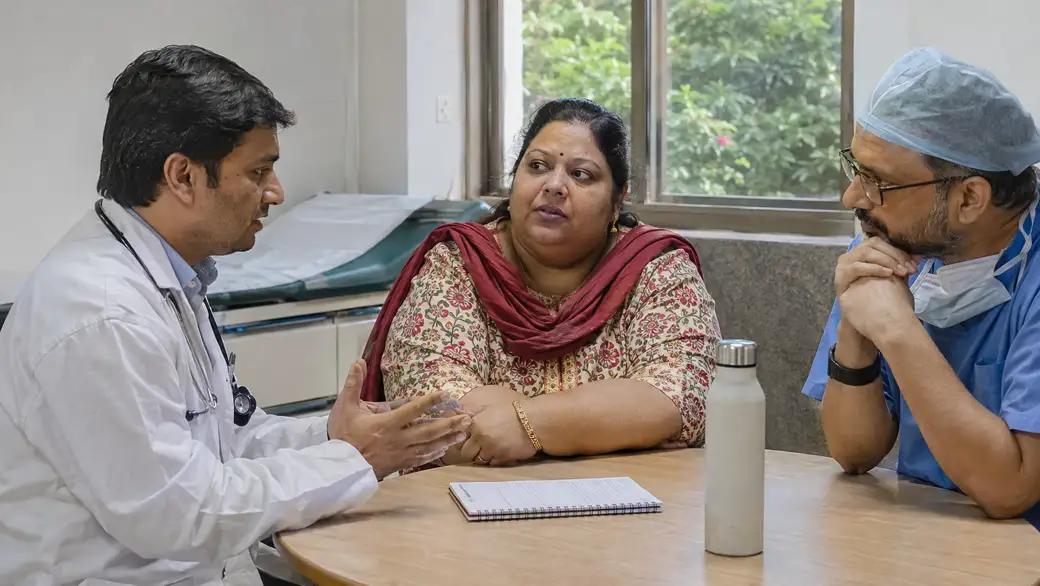
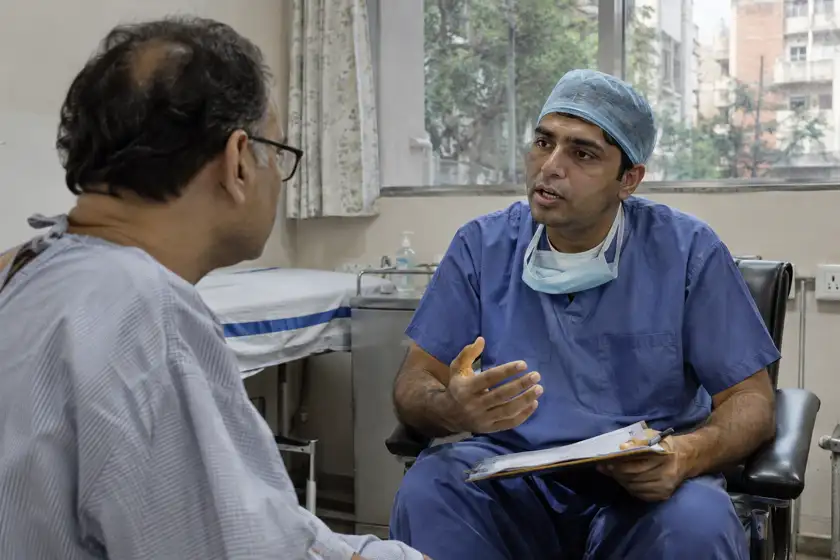
| Pre-operative assessment | Give the anaesthetist full details. Get clear written instructions: continue or pause, diet, fasting times, diabetes plan |
| The week before | Follow the instruction about your injection. Eat smaller, lighter meals. Report any vomiting or marked bloating to the team |
| 24 hours before | Liquid diet if instructed. Keep well hydrated with permitted fluids |
| The night before and morning | Follow the fasting times exactly. Take other medicines as instructed with a sip of water |
| On arrival | Remind the anaesthetist of your medicine, last dose and when you last ate and drank. Mention any nausea or fullness that morning |
| Afterwards | Restart as advised once you are eating and drinking normally |
What a liquid diet looks like
If you are asked to take only liquids for a day before the procedure, your team will specify whether these must be clear liquids or may include thicker ones. Always follow their list. Typical examples are shown below.
| Usually allowed as clear liquids | Usually allowed only if “full liquids” are permitted | Not allowed |
|---|---|---|
| Water, coconut water, clear strained soups and dal water, black tea or coffee without milk, clear apple juice, nimbu pani, ORS | Milk, chaas, thin lassi, strained cream soups, protein shakes, thin dalia or ragi porridge | All solid food, including fruit, khichdi, curd rice, biscuits; juices with pulp; alcohol |
People with diabetes need specific advice on fluids containing sugar and on adjusting medicines during a liquid day, to avoid both low and high blood sugar.
If you have diabetes
For people with type 2 diabetes, a GLP-1 medicine is part of blood-sugar control, and pausing it is not a neutral act. High blood sugar around surgery increases the risk of infection and slows healing.
- Do not stop the medicine on your own initiative. Ask the team for a plan.
- If a dose is to be omitted, your healthcare provider may suggest temporary alternative treatment and more frequent glucose checks.
- Insulin and sulfonylurea doses usually need adjusting during fasting and liquid diets to prevent low blood sugar.
- Some other diabetes tablets also need to be stopped before surgery for their own reasons. Your team will tell you which.
- Bring your glucose meter, and tell staff immediately if you feel shaky, sweaty or confused while fasting.
Recent guidance leans towards continuing GLP-1 medicines in people with diabetes where possible, using diet and anaesthetic precautions instead, precisely to avoid loss of glucose control.
If the procedure is an emergency
In an emergency there is no opportunity to pause the medicine or change your diet. Tell the staff, or make sure a relative does, that you take a GLP-1 medicine and when your last dose was. Anaesthetists are trained to manage patients with a full stomach, and will use the appropriate technique. Carrying a note of your medicines in your wallet or on your phone’s emergency screen is a sensible habit for anyone on long-term treatment.
Endoscopy and colonoscopy: extra points
For an upper endoscopy, food left in the stomach is a problem twice over: it raises the aspiration risk, and it hides the lining of the stomach, so that the examination may be incomplete or abandoned. A liquid diet the day before is often advised.
For a colonoscopy, the bowel must be completely clean. Studies have found that people on GLP-1 medicines are more likely to have inadequate bowel preparation, probably because the gut moves more slowly. Your endoscopist may recommend a longer period on a low-residue or liquid diet, a split-dose or extended preparation, and plenty of clear fluids. Follow the instructions carefully, and say beforehand if you are prone to constipation.
Bariatric surgery and other weight-related operations
GLP-1 medicines are sometimes used before bariatric surgery to reduce weight and operative risk, and before operations such as joint replacement or hernia repair that are safer at a lower weight. The bariatric team will give specific instructions about when to stop beforehand and whether and when to restart afterwards. Do not restart on your own after stomach surgery.
Restarting after your procedure
- Wait until you are eating and drinking normally and any nausea or vomiting from the anaesthetic or surgery has settled.
- Ask before you restart after abdominal or bowel surgery, or if you have been given opioid painkillers, which also slow the gut and cause constipation.
- If you missed only one dose, you can usually resume at your usual dose on your normal day, following the missed-dose rules for your medicine.
- If you have been off treatment for two to three weeks or more, speak to your prescriber. A lower dose and a step-up may be needed to avoid strong side effects.
- Expect appetite to return during the gap. Keep to regular, protein-based meals.
- Protein and healing: recovery from surgery needs adequate protein, fluids and vitamins. This is not a time to eat as little as possible.
- If you have diabetes, monitor your sugars closely until treatment is re-established.

Eating in the week before a procedure
Whatever your team decides about the injection, lighter eating in the days before helps the stomach empty well.
- Eat smaller meals, and finish dinner early.
- Choose foods that leave the stomach quickly: khichdi, dal with soft rice or phulka, idli, curd rice, soups, eggs, fish.
- Cut down on fried foods, heavy gravies, paneer in large amounts, red meat and very high-fibre raw salads for the last two or three days, since fat and bulk slow emptying.
- Keep protein going with dal, curd, eggs or fish, to support healing afterwards.
- Drink well. Treat constipation in advance with fluids, fruit and, if needed, a laxative your healthcare provider recommends.
- Avoid alcohol for at least several days.
- Make your last solid meal before fasting a light one.
Eating for recovery
After surgery the body needs protein, energy and fluids to heal, at a time when appetite is often poor. Start with liquids and soft foods as advised, then return to small, regular meals with dal, curd, eggs, paneer, fish or chicken at each one. Aim to reach your usual protein target within a week or two unless your surgeon has given different instructions. Vitamin C from fruit, and adequate iron and zinc, support wound healing. Painkillers containing opioids cause constipation, so drink plenty and ask about a laxative. Weight loss is not the priority during recovery; healing is.
Two illustrative examples
These invented examples show how different teams may handle the same question. They are not instructions.
Knee replacement in a woman on tirzepatide
A 61-year-old woman on a stable dose for eight months, without diabetes, is booked for knee replacement. At her pre-operative visit she tells the anaesthetist about the injection. The hospital’s protocol is to omit the dose due in the week before surgery. She does so, eats light meals for three days and follows the fasting times. The operation is done under spinal anaesthesia. She restarts her usual dose ten days later, once she is eating normally and off strong painkillers, after checking with her healthcare provider.
Endoscopy in a man with diabetes on semaglutide
A 49-year-old man with type 2 diabetes needs an upper endoscopy for reflux. His dose was increased two weeks ago and he has some bloating. Because stopping would affect his blood sugar, the unit asks him to continue the medicine, take only clear liquids for 24 hours before the test and adjust his other diabetes tablet that day. A quick ultrasound on arrival shows an empty stomach, and the endoscopy proceeds with light sedation.
Will pausing undo my progress?
Missing one or two weekly doses does not undo months of weight loss. Appetite may increase for a couple of weeks, and the scale may rise by a kilogram or so, partly from fluid. With structured meals and a prompt restart, most people are back on track within a month. The interruption is minor compared with the importance of a safe anaesthetic.

Other things to mention before surgery
- Dehydration: if you have had vomiting or diarrhoea in the days before, tell the team; fluids and salts may need correcting.
- Low blood pressure: weight loss may have lowered your blood pressure. Your tablets may need reviewing.
- Nutritional status: low protein, iron or vitamin levels slow wound healing. A blood test beforehand is worthwhile after substantial weight loss.
- Contraception and pregnancy: a pregnancy test is routine before many procedures in women of childbearing age.
- Blood thinners, herbal products and supplements: some affect bleeding and must be stopped in advance.
Warning signs after a procedure
Seek medical help urgently if, after anaesthesia or sedation, you have
Breathlessness, a persistent cough, chest pain, wheeze or fever in the first days; repeated vomiting or inability to drink; severe abdominal pain or swelling; or, with diabetes, very high or repeatedly low blood sugar readings.
Questions to ask your surgical team
- Should I continue or pause my injection, and for how long?
- Do I need a liquid diet beforehand, and what exactly may I have?
- What are my fasting times for food and for clear fluids?
- What should I do about my diabetes medicines?
- Who should I call if I have vomiting or bloating in the days before?
- When can I restart, and at what dose?
Common myths
“It is a weekly injection, so it does not count as a medicine I am taking”
It is active in your body every day of the week and must be declared.
“I fasted overnight, so my stomach must be empty”
On these medicines, food can remain in the stomach beyond the usual fasting time.
“Skipping one dose clears it from my system”
The medicines last for weeks. One missed dose reduces the effect but does not remove it.
“The guidance says I must always stop”
Recent guidance favours an individual decision. Many patients continue, with dietary and anaesthetic precautions.
“If I do not mention it, the operation will not be delayed”
Concealing it removes the team’s ability to protect you. Declaring it rarely causes cancellation; it changes the precautions.
“This only matters for major surgery”
It matters for any procedure with general anaesthesia or deep sedation, including endoscopy.
How The Prime Fit helps
At The Prime Fit, we ask about planned procedures at every review. If you have surgery or an endoscopy coming up, your healthcare provider can time dose changes around it, provide a letter for your surgical team with your medicine, dose and last injection date, and advise on restarting. Your dietitian can plan meals for the week before, for a liquid day if one is required, and for recovery, with enough protein for healing.
If you have a procedure planned, book a consultation or read about our GLP-1 therapy programme.
Frequently asked questions
Do I need to stop Mounjaro, Wegovy or Ozempic before surgery?
It depends on your team’s protocol and your individual risk. Some hospitals ask you to omit the dose in the week before; others continue it with a liquid diet and anaesthetic precautions. Always ask, and do not decide yourself.
Why do these medicines matter for anaesthesia?
They slow stomach emptying, so food or fluid may remain in the stomach after normal fasting and could enter the lungs when protective reflexes are lost under anaesthesia or deep sedation.
How long before surgery should I stop?
Where stopping is advised, weekly injections are commonly withheld for about one week, but instructions vary. Follow the plan your surgical team gives you.
Do I need to stop before an endoscopy or colonoscopy?
Tell the endoscopy unit. You may be asked to pause the dose, follow a liquid diet the day before, or use an extended bowel preparation.
What if I need emergency surgery?
Tell the staff that you take a GLP-1 medicine and when you last injected. The anaesthetist will use a technique for patients with a full stomach.
I have diabetes. Is it safe to pause?
Pausing can raise blood sugar. Your experts will give you a plan, which may include continuing the medicine with other precautions, or temporary alternative treatment and closer monitoring.
Does this apply to dental treatment?
Not for treatment under local anaesthetic. It does apply if you are having sedation or a general anaesthetic. Mention your medicines either way.
When can I restart after my operation?
Usually once you are eating and drinking normally and your team agrees. After a gap of two to three weeks or more, ask your prescriber whether to restart at a lower dose.
Will I regain weight if I miss doses for surgery?
A short pause has little lasting effect. Appetite may rise for a week or two; regular, protein-based meals and a prompt restart keep you on track.
Should I fast for longer than I am told, to be safe?
No. Follow the times you are given. Fasting far longer than advised causes dehydration and, in diabetes, low blood sugar.
This article is general information and is not a substitute for a consultation. Guidance on GLP-1 medicines around anaesthesia is evolving and differs between hospitals. Always follow the instructions of your own surgeon, anaesthetist or endoscopist.