In this article
- What weight loss injections are
- The standard eligibility criteria
- How to work out your BMI
- Why BMI cut-offs are lower for Indians
- Waist size: the measurement that matters as much as BMI
- Weight-related health conditions that count
- Who tends to benefit most
- Who should not take them, or needs extra care
- When injections are usually not appropriate
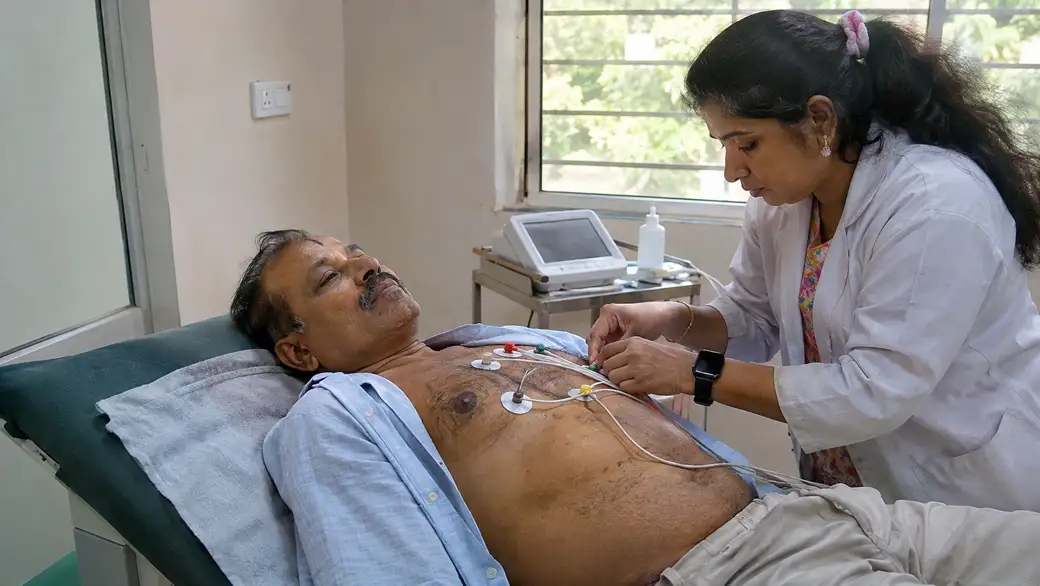
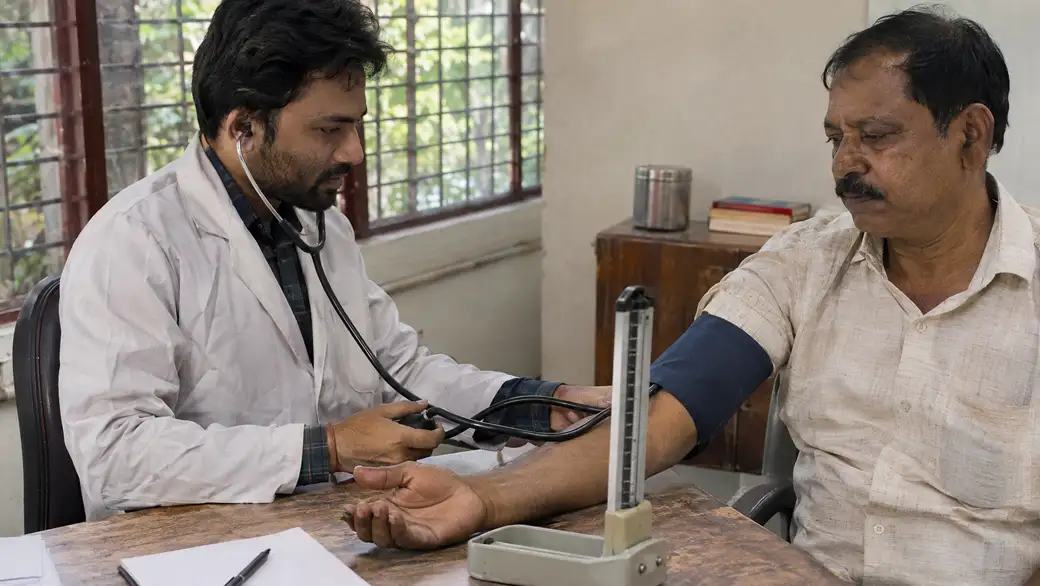
- What happens at an eligibility assessment
- A quick self-check before you book
- What the BMI thresholds look like in real numbers
- What if my BMI is 35, 40 or higher?
- Are the criteria different for Mounjaro and Wegovy?
- If you are not eligible: what else works
- Eligibility in specific situations
- The commitment: what eligibility also requires from you
- Common myths about eligibility
- How The Prime Fit assesses eligibility
- Frequently asked questions
Weight loss injections such as Mounjaro (tirzepatide) and Wegovy (semaglutide) are among the most effective obesity treatments ever developed, and interest in them has grown quickly in India. With that interest comes a common question: “Am I eligible?” Some people who would benefit greatly assume the medicines are not meant for them. Others, who want to lose a few kilos before an event, assume anyone can simply buy a pen.
The reality sits in between. These are prescription medicines intended for adults whose weight is putting their health at risk, used alongside changes in diet and activity, after a proper medical assessment. This guide explains the criteria healthcare professionals use, how body mass index (BMI) and waist size are interpreted for Indians, which health conditions matter, who should not take these medicines, and what the alternatives are if injections are not right for you.
It is general information. Only a healthcare professional who has reviewed your history, examined you and seen your tests can decide whether treatment is suitable.
What weight loss injections are
The medicines discussed here belong to a group called incretin-based therapies. Semaglutide acts on the GLP-1 receptor, and tirzepatide acts on both the GIP and GLP-1 receptors. They are given as a once-weekly injection under the skin. They reduce appetite and food cravings, increase fullness, slow stomach emptying and improve blood-sugar control. In large trials, average weight loss ranged from about 15 percent to just over 20 percent of body weight over roughly 16 to 18 months, when combined with lifestyle support.
They are licensed for long-term weight management in adults with obesity, or with overweight plus a weight-related medical problem. The same molecules, sometimes under different brand names and doses, are used to treat type 2 diabetes.
The standard eligibility criteria
The approved criteria for these medicines are based on BMI and on the presence of weight-related health conditions. In simple terms, a healthcare professional may consider treatment for an adult who has:
| Category | BMI | Additional requirement |
|---|---|---|
| Obesity | 30 kg/m² or higher | None; BMI alone meets the criterion |
| Overweight with a related condition | 27 kg/m² to under 30 kg/m² | At least one weight-related health problem, such as type 2 diabetes or prediabetes, high blood pressure, abnormal cholesterol, obstructive sleep apnoea or cardiovascular disease |
In both cases, treatment is meant to be used together with a reduced-calorie diet and increased physical activity, and usually after earlier attempts at lifestyle change have not produced enough lasting weight loss.
Meeting the BMI number is the start, not the decision
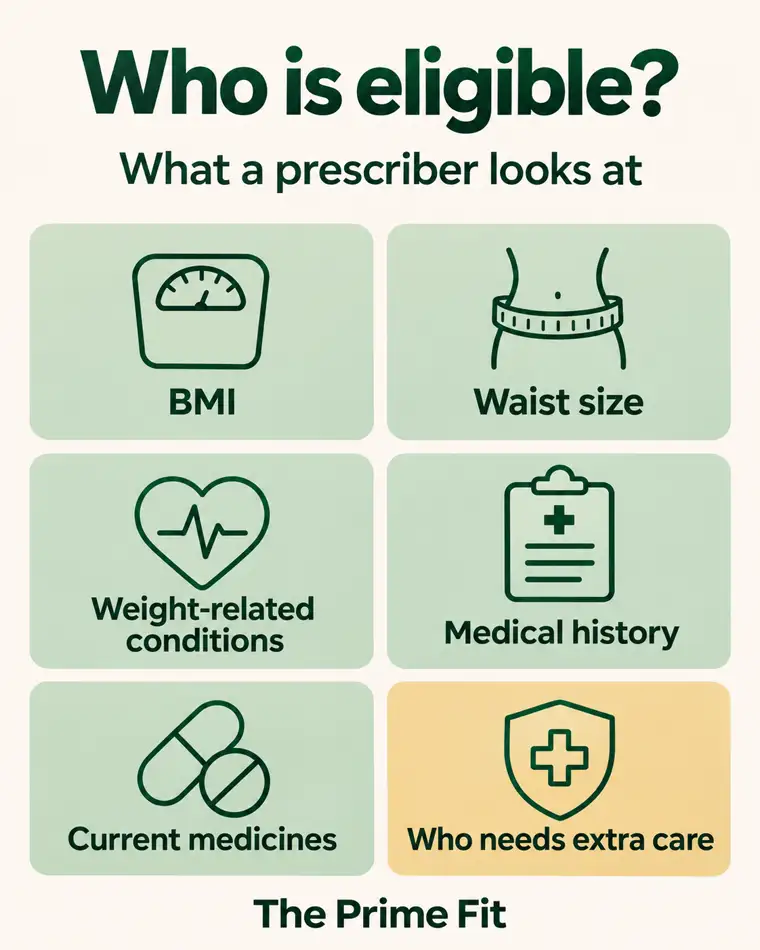
BMI opens the conversation. The decision to prescribe also depends on your medical history, other medicines, test results, pregnancy plans, preferences and whether you can commit to follow-up.
How to work out your BMI
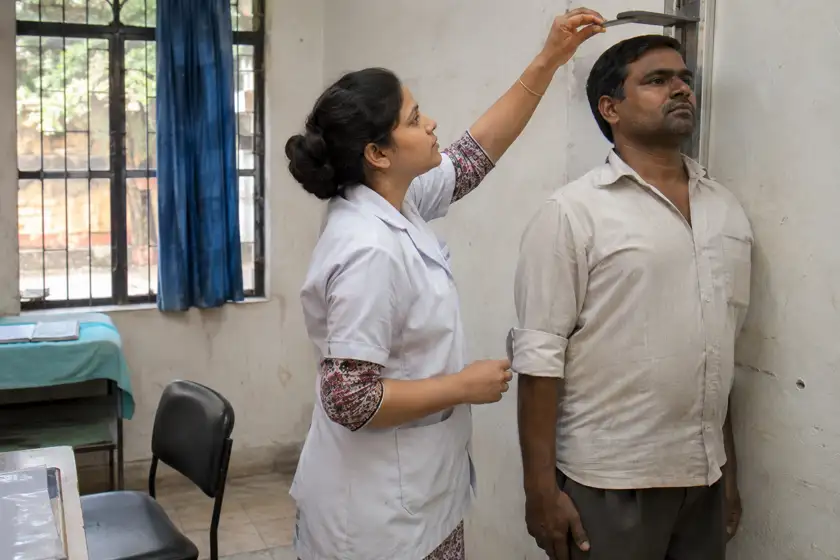
BMI is your weight in kilograms divided by the square of your height in metres.
- Example: a person who weighs 82 kg and is 1.60 m tall has a BMI of 82 ÷ (1.60 × 1.60) = 32.0.
- Example: a person who weighs 75 kg and is 1.65 m tall has a BMI of 75 ÷ (1.65 × 1.65) = 27.5.
You can also use the BMI calculator on our website. BMI is a screening tool. It does not distinguish between fat and muscle, and it does not show where fat is stored, which is why healthcare professionals look at other measures as well.
Why BMI cut-offs are lower for Indians
People of South Asian origin tend to carry more body fat, particularly around the abdomen and internal organs, at the same BMI as people of European origin. As a result, diabetes, high blood pressure and heart disease appear at lower BMI values in Indians.
| Classification | International BMI (kg/m²) | BMI commonly used for Asian Indians (kg/m²) |
|---|---|---|
| Healthy range | 18.5 to 24.9 | 18.5 to 22.9 |
| Overweight | 25 to 29.9 | 23 to 24.9 |
| Obesity | 30 and above | 25 and above |
What does this mean for eligibility? The licensed criteria for the medicines use the international thresholds of 30, or 27 with a related condition. However, many guidelines recognise that risk begins earlier in South Asians, and some recommend considering treatment at lower BMI thresholds in this group. Indian expert bodies have also published updated definitions of obesity that give greater weight to abdominal fat and to the presence of weight-related disease or functional limitation, not BMI alone.
In practice, an Indian adult with a BMI in the high 20s who also has diabetes, fatty liver, sleep apnoea or other complications may well be a candidate, and the decision is made individually by the healthcare professional. Someone with a BMI of 24 and no health problems would not be.
Waist size: the measurement that matters as much as BMI
Abdominal fat is the most harmful kind. A simple tape measure adds important information.
- Measure around your bare abdomen, midway between the lowest rib and the top of the hip bone, at the end of a normal breath out.
- For Asian Indians, a waist of 90 cm or more in men and 80 cm or more in women indicates increased health risk.
- A waist-to-height ratio above 0.5 (your waist is more than half your height) is another useful warning sign.
A person with a moderately raised BMI but a large waist and abnormal blood tests often has more to gain from treatment than their BMI alone suggests.
Weight-related health conditions that count
For people with a BMI between 27 and 30, at least one weight-related condition is needed. The conditions healthcare professionals look for include:
- Type 2 diabetes or prediabetes
- High blood pressure
- Abnormal cholesterol or triglycerides
- Obstructive sleep apnoea
- Heart disease or previous stroke
- Fatty liver disease related to metabolism
- Polycystic ovary syndrome (PCOS) with insulin resistance
- Osteoarthritis of weight-bearing joints, such as the knees
The exact list recognised for prescribing varies between products and countries. Even where a condition is not formally named in the licence, its presence is part of the overall assessment of how much your weight is affecting your health.
Who tends to benefit most
- People with obesity and type 2 diabetes or prediabetes. Weight loss improves blood sugar and can reduce the need for other medicines.
- People with obesity and established heart disease. Semaglutide has been shown to reduce major cardiovascular events in this group.
- People with sleep apnoea, fatty liver or knee osteoarthritis, where a 10 to 15 percent weight loss produces clear improvements in symptoms.
- People who have made genuine, repeated attempts at diet and exercise, lost weight, and regained it. This pattern usually reflects biology, not lack of effort, and medicine can address the increased hunger that drives regain.
- People preparing for another treatment that is safer at a lower weight, such as joint replacement or fertility treatment, where appropriate and with specialist advice.

Who should not take them, or needs extra care
| Situation | Guidance |
|---|---|
| Personal or family history of medullary thyroid carcinoma, or multiple endocrine neoplasia type 2 (MEN 2) | Must not be used |
| Pregnancy, breastfeeding, or trying to conceive now | Not recommended. Treatment should be stopped ahead of a planned pregnancy as advised by your healthcare provider |
| Previous serious allergic reaction to the medicine | Must not be used |
| History of pancreatitis | Needs careful discussion; often avoided |
| Severe stomach or bowel disease, including gastroparesis | Generally not suitable |
| Active gallbladder disease | Assess and treat first; use with caution |
| Diabetic retinopathy | Eye review advised; rapid improvement in blood sugar needs monitoring |
| Type 1 diabetes | Not a licensed use; specialist decision only |
| Current or past eating disorder | Needs specialist assessment and support first |
| Children and adolescents | Specialist care only; adult criteria do not apply |
| Kidney disease, older age, multiple medicines | Often possible, with closer monitoring of hydration, nutrition and doses of other medicines |
Common thyroid problems such as hypothyroidism do not prevent treatment, but tell your healthcare provider about any thyroid history. Women using oral contraceptive pills need specific advice with tirzepatide, because absorption of the pill can be reduced when the medicine is started or the dose is increased.
When injections are usually not appropriate
Healthcare professionals will generally not prescribe these medicines for:
- Cosmetic weight loss in someone with a healthy BMI and no weight-related health problem.
- A short-term goal such as losing a few kilos before a wedding or holiday. The medicines are designed for long-term use, and weight tends to return when they are stopped.
- Use without follow-up. Safe treatment needs dose reviews, monitoring and nutritional support.
- Replacing lifestyle change. Without adequate protein and activity, a larger share of the weight lost is muscle.
A word about buying online
Pens and vials sold through social media or unverified websites, without a prescription, may be counterfeit, incorrectly stored or wrongly dosed. If you are not eligible on medical grounds, the answer is a different, safer plan, not an unregulated supply.
What happens at an eligibility assessment
A proper assessment usually takes one or two visits and covers four areas.
1. Your history
Your healthcare provider will ask about your weight over the years, previous diets and what happened afterwards, eating patterns, sleep, activity, alcohol, mood and stress. They will review your medical conditions, past surgery, family history (including thyroid cancer and pancreatitis), all current medicines and supplements, contraception and pregnancy plans.
2. Measurements and examination
Height, weight, BMI, waist circumference, blood pressure and pulse are recorded. Many centres also measure body composition, which estimates fat and muscle mass and provides a baseline for tracking muscle during treatment.
3. Blood tests
| Test | Why it is done |
|---|---|
| Fasting glucose and HbA1c | To detect diabetes or prediabetes |
| Lipid profile | Cholesterol and triglycerides |
| Liver function tests | Signs of fatty liver |
| Kidney function and electrolytes | Baseline before treatment |
| Thyroid function (TSH) | An underactive thyroid can contribute to weight gain |
| Complete blood count, vitamin B12, vitamin D, iron studies | Common deficiencies that affect energy and hair |
| Pregnancy test, where relevant | Treatment is not used in pregnancy |
| Others as needed | For example, hormone tests in suspected PCOS, an ultrasound of the abdomen, or a sleep study |
The exact tests depend on your history. Not everyone needs all of them.
4. A shared decision
Finally, your healthcare provider explains the options, expected benefits, side effects, the need for long-term treatment and follow-up, and practical matters such as how the injection is given. You decide together whether to start, and with which medicine.
A quick self-check before you book
These questions cannot tell you whether you are eligible, but they will help you prepare for the consultation.
- Is my BMI 30 or above, or 27 or above with a health condition linked to weight? (For Indians, a BMI of 25 or more with complications is worth discussing.)
- Is my waist above 90 cm (men) or 80 cm (women)?
- Do I have diabetes, prediabetes, high blood pressure, high cholesterol, fatty liver, sleep apnoea, PCOS or joint pain?
- Have I tried to lose weight with diet and activity, and found it hard to keep off?
- Am I not pregnant, not breastfeeding and not planning a pregnancy in the next few months?
- Is there no history of medullary thyroid cancer or MEN 2 in me or my close family, and no history of pancreatitis?
- Am I prepared for weekly injections, regular reviews and changes to how I eat?
If most of your answers are yes, a consultation is worthwhile. If some are no, a healthcare professional can advise on the safest alternative.
What the BMI thresholds look like in real numbers
BMI figures can feel abstract. The table below shows the approximate body weight at which adults of different heights reach the key thresholds. Find your height and compare your weight.
| Height | Weight at BMI 25 | Weight at BMI 27 | Weight at BMI 30 | Weight at BMI 35 |
|---|---|---|---|---|
| 150 cm (4 ft 11 in) | 56 kg | 61 kg | 68 kg | 79 kg |
| 155 cm (5 ft 1 in) | 60 kg | 65 kg | 72 kg | 84 kg |
| 160 cm (5 ft 3 in) | 64 kg | 69 kg | 77 kg | 90 kg |
| 165 cm (5 ft 5 in) | 68 kg | 74 kg | 82 kg | 95 kg |
| 170 cm (5 ft 7 in) | 72 kg | 78 kg | 87 kg | 101 kg |
| 175 cm (5 ft 9 in) | 77 kg | 83 kg | 92 kg | 107 kg |
| 180 cm (5 ft 11 in) | 81 kg | 87 kg | 97 kg | 113 kg |
For example, a woman who is 155 cm tall reaches a BMI of 27 at about 65 kg and a BMI of 30 at about 72 kg. A man who is 175 cm tall reaches those thresholds at about 83 kg and 92 kg. Weights are rounded to the nearest kilogram.
What if my BMI is 35, 40 or higher?
At higher BMI values, more than one effective treatment is available, and it is worth hearing about all of them. Medicines can produce average weight loss of 15 to 20 percent. For someone with a BMI of 45, that is a meaningful improvement in health but may still leave a BMI in the obesity range. Bariatric surgery typically produces larger and more durable weight loss and has the strongest evidence for improving or resolving type 2 diabetes at higher BMI. Some people use medication first, some choose surgery, and some use medication later if weight returns after surgery. A good assessment presents these options without pressure, so that you can choose with full information.
Are the criteria different for Mounjaro and Wegovy?
The BMI and health criteria for weight management are essentially the same for both medicines. The choice between them depends on other factors: your medical history, whether you have type 2 diabetes or heart disease, how you respond and tolerate each one, availability and cost, and your healthcare provider’s judgement. Ozempic contains the same molecule as Wegovy but is licensed for type 2 diabetes at lower doses, not for weight management in people without diabetes. Whichever medicine is chosen, the same safety checks apply.
If you are not eligible: what else works
Not qualifying for injections does not mean there is nothing to be done. The right treatment depends on your BMI and health.
| Option | Usually considered for | What it involves |
|---|---|---|
| Dietitian-led nutrition programme | Anyone, at any BMI; the foundation of every other treatment | A personalised Indian meal plan, activity guidance and weekly follow-up |
| Condition-specific programmes | PCOS, diabetes or prediabetes, thyroid conditions, fatty liver, after pregnancy | Nutrition and medical care targeted at the underlying condition |
| GLP-1 weight loss injections | BMI 30 or above, or 27 or above with a related condition (individualised for Indians) | Weekly injection, stepped dosing, long-term treatment with lifestyle support |
| Swallowable gastric balloon | Adults with overweight or obesity who want a non-surgical, time-limited option and meet the device criteria | A balloon that stays in the stomach for about four months, with a coaching programme |
| Bariatric surgery | Higher BMI, particularly with diabetes or other complications, when other measures have not been enough | An operation with lifelong nutritional follow-up |
These options are not rivals. Many people use them in sequence or in combination over the years, guided by their response.

Eligibility in specific situations
PCOS
Women with PCOS and a raised BMI often have insulin resistance, and weight loss improves cycles and metabolic health. GLP-1 medicines may be considered when lifestyle measures and standard treatment have not been enough. They are not used when trying to conceive, so timing and contraception need to be planned.
Type 2 diabetes
These medicines treat both blood sugar and weight, so many people with diabetes and excess weight are suitable. Doses of insulin or sulfonylureas may need to be reduced to avoid low blood sugar.
Thyroid conditions
Hypothyroidism should be treated and stable, but it does not rule out treatment. A history of medullary thyroid carcinoma or MEN 2 does.
Fatty liver
Weight loss is the main treatment for metabolic fatty liver disease, and these medicines can help achieve it. Your healthcare provider will assess the stage of liver disease first.
Older adults
Age alone is not a barrier, but preserving muscle and avoiding dehydration matter more. Slower dose increases, higher protein intake and strength exercise are advised.
After bariatric surgery or a gastric balloon
Medicines are sometimes used when weight is regained after a procedure. This needs assessment by a team familiar with your history.
The commitment: what eligibility also requires from you
Being medically eligible is one half of the picture. Successful treatment also needs:
- A long-term view. Obesity behaves like other chronic conditions. Most people need continued treatment to maintain their result.
- Regular follow-up. Dose changes, side effects, blood tests and nutrition all need review.
- Protein and strength training. These protect muscle so that the weight you lose is mainly fat.
- Honest reporting. Telling your team about side effects, missed doses and difficulties allows the plan to be adjusted early.
- A plan for the cost of ongoing treatment, which you should discuss openly before starting.
Common myths about eligibility
“These injections are only for people with diabetes”
No. They are licensed for weight management in people without diabetes who meet the BMI and health criteria.
“If my BMI is under 30, I cannot have them”
Not necessarily. A BMI of 27 or more with a weight-related condition meets the criteria, and risk in Indians begins at lower BMI values. Your healthcare provider decides individually.
“Anyone who wants to lose weight can take them”
No. They are not recommended for people at a healthy weight or for short-term cosmetic goals.
“I must fail at dieting for years before I qualify”
There is no fixed waiting period. What matters is that lifestyle measures alone have not given enough lasting weight loss, and that nutrition and activity continue alongside the medicine.
“Once I start, I can stop when I reach my target”
Weight is commonly regained after stopping. A maintenance plan, often at the lowest effective dose, should be discussed from the beginning.
How The Prime Fit assesses eligibility
At The Prime Fit, no injection is prescribed without an expert-led assessment. We review your history and medicines, record BMI, waist and body composition, arrange the blood tests you need, and explain every suitable option, including when a nutrition programme, a gastric balloon or a surgical opinion would serve you better than medication. If treatment is right for you, a dietitian builds your meal plan around Indian food and reviews you every week, and your healthcare provider adjusts the dose step by step.
To find out where you stand, book a consultation or read about our GLP-1 therapy programme.
Frequently asked questions
What BMI do I need for weight loss injections?
The standard criteria are a BMI of 30 or above, or 27 or above with at least one weight-related health condition such as diabetes, high blood pressure, abnormal cholesterol or sleep apnoea. For Indians, risk starts at lower BMI values, so healthcare professionals assess each person individually.
Can I get weight loss injections if I do not have diabetes?
Yes. Mounjaro and Wegovy are approved for chronic weight management in adults without diabetes who meet the BMI and health criteria.
Is a BMI of 25 enough to qualify in India?
A BMI of 25 is classed as obesity for Asian Indians, but the licensed criteria for these medicines use higher thresholds. A healthcare professional may consider treatment at a lower BMI when there are clear weight-related complications. A BMI of 25 without any health problem would usually be managed with a nutrition and activity programme.
Which tests are needed before starting?
Commonly blood sugar and HbA1c, cholesterol, liver and kidney function, thyroid function, and vitamin levels, along with weight, waist and blood pressure. Your healthcare provider may add other tests depending on your history.
Who should not take GLP-1 injections?
People with a personal or family history of medullary thyroid carcinoma or MEN 2, women who are pregnant, breastfeeding or trying to conceive, and anyone with a previous serious allergy to the medicine. Extra caution is needed with a history of pancreatitis, severe stomach or bowel disease, gallbladder disease or diabetic eye disease.
Can women with PCOS take weight loss injections?
They may be considered for women with PCOS who meet the weight criteria and have not responded enough to lifestyle measures. They must not be used when trying to conceive or during pregnancy, and contraception should be discussed.
Can I take them if I have a thyroid problem?
Hypothyroidism and most common thyroid conditions do not prevent treatment. The exception is medullary thyroid carcinoma or MEN 2 in you or a close relative.
Is there an age limit?
The criteria in this article apply to adults. Older adults can be treated with extra attention to muscle, hydration and other medicines. Treatment in adolescents is a specialist decision.
What if I only want to lose 5 kg?
If your BMI is in the healthy or mildly overweight range without health problems, injections are not appropriate. A dietitian-led plan is the safe and effective choice.
Do I need a prescription?
Yes. These are prescription-only medicines and should be started only after a medical assessment, with follow-up to adjust the dose and monitor safety.
This article is general information and is not a substitute for a consultation. Eligibility for prescription medicines can be decided only by a qualified healthcare professional who has assessed you.